Months into open hostilities with the United States and following renewed exchanges with Israel, Iranians face daily uncertainty and a deepening economic crisis. Residents in Tehran describe living amid explosions, heavy internet throttling and rampant inflation, with overall inflation above 83% and food inflation near 130% by late May. Businesses are cutting menus and services as prices swing wildly, and public unease persists alongside smaller pro-government rallies.
“Anything But Normal”: Iranians Face Uncertainty as Clashes With US and Israel Deepen
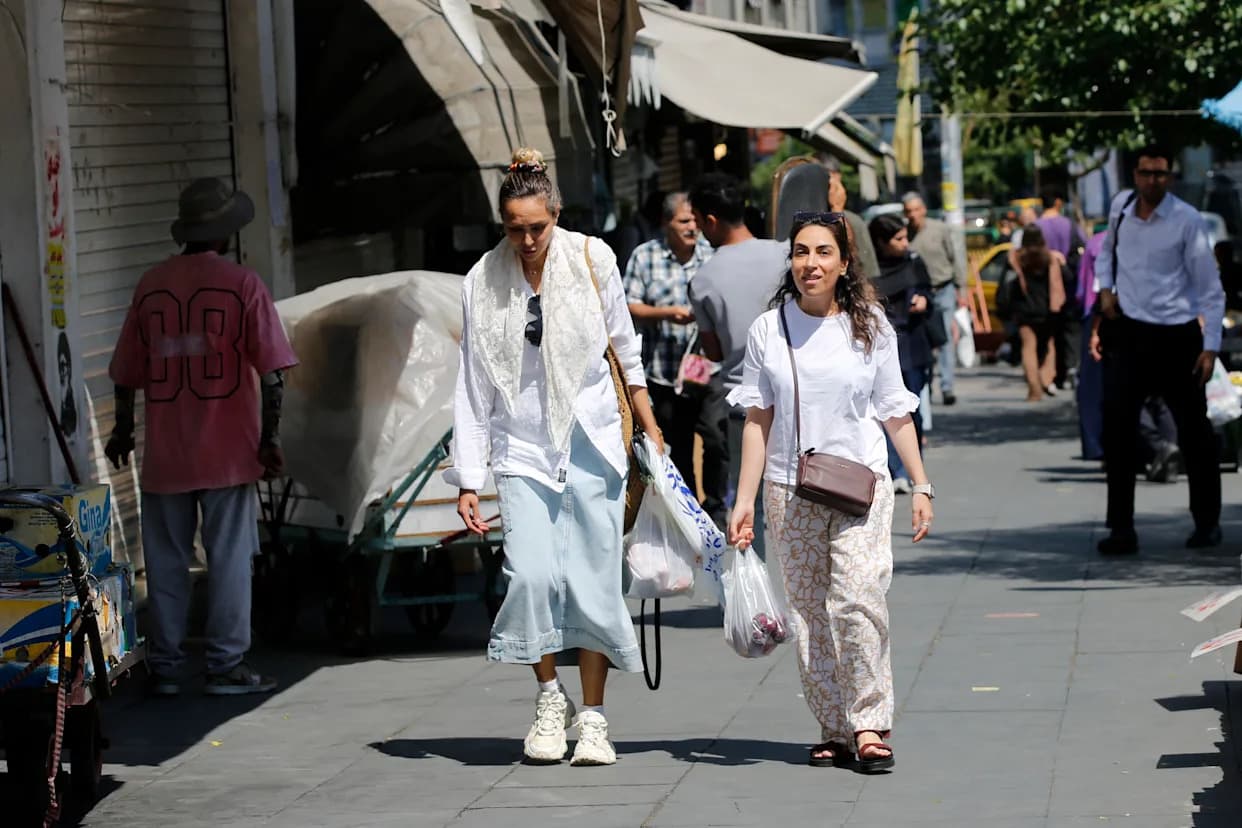
As conflict drags on, Tehran residents grapple with rising inflation and economic pressures [Fatemeh Bahrami/Anadolu Agency]
Tehran — Months into a confrontation with the United States and following a fresh escalation with Israel, everyday life in Iran is dominated by the twin pressures of conflict and a collapsing economy.
Daily Life Under Strain
In Tehran this week, many people went to work while keeping one eye on the prospect of renewed fighting and the other on any hints of a possible deal, as US President Donald Trump suggested an agreement might be within reach even after an exchange of fire between Iran and Israel.
Voices From the Capital
“You get used to it at some level and eventually keep going about work and conversations like everything is normal, but the truth is that this is anything but normal,”
said a 33-year-old office worker in western Tehran, who asked not to be named. He described colleagues as nervous and constantly checking their phones after a distant blast before noon on Monday and at least two more explosions in the early hours.
According to residents and local reports, the Israeli military struck targets in Tehran and other cities and hit a petrochemical complex in the western port city of Bandar-e Mahshahr after the Islamic Revolutionary Guard Corps (IRGC) launched missiles at Israel overnight, in retaliation for an attack on Dahiyeh, the southern suburbs of Beirut.
Escalation, Pause and Ongoing Risk
Israeli officials said their strikes were meant to pave the way for potential further action, while Iranian authorities warned of harsher responses if Lebanon was targeted. For now, the immediate missile launches have paused. The flare-up followed more than a week of nighttime exchanges between Iran and US forces, and Washington maintains a blockade that has further strained Iran’s already embattled economy.
Late on Tuesday, President Trump accused Iran of shooting down a US military helicopter over the Strait of Hormuz and warned the United States “must respond” to the alleged incident, heightening fears of broader confrontation.
Economic Pain on the Ground
Beyond the threat of violence, ordinary Iranians are wrestling with runaway prices, shortages and a volatile market. A cafe owner in central Tehran said he has cut items from his menu because of wildly fluctuating costs and weaker demand: the price he pays for a kilogram of coffee is now roughly 2.5 times what he paid three weeks ago, and nearly 20 times the price from less than four years ago.
“I get a headache watching the news and hearing Trump say they might get a deal in two days or two weeks. I just know that I’m getting pummeled here,”
he told Al Jazeera. Shopkeepers and vendors report that selling prices lag far behind the cost of their next purchase.
The Statistical Center of Iran reports year-on-year inflation surged past 83 percent by late May, with food inflation near 130 percent. Staples such as cooking oil and eggs have more than quadrupled compared with a year earlier.
Connectivity and Control
When videos of Iranian missiles launched toward Israel began circulating on social media, many users feared another government-ordered internet shutdown. Internet service did not collapse this time, but remains heavily throttled after roughly three months of a near-total state-imposed blackout that was justified by authorities on vaguely defined security grounds. Some pro-state figures have criticized President Masoud Pezeshkian’s government for restoring partial access too soon.
Public Mood and Protests
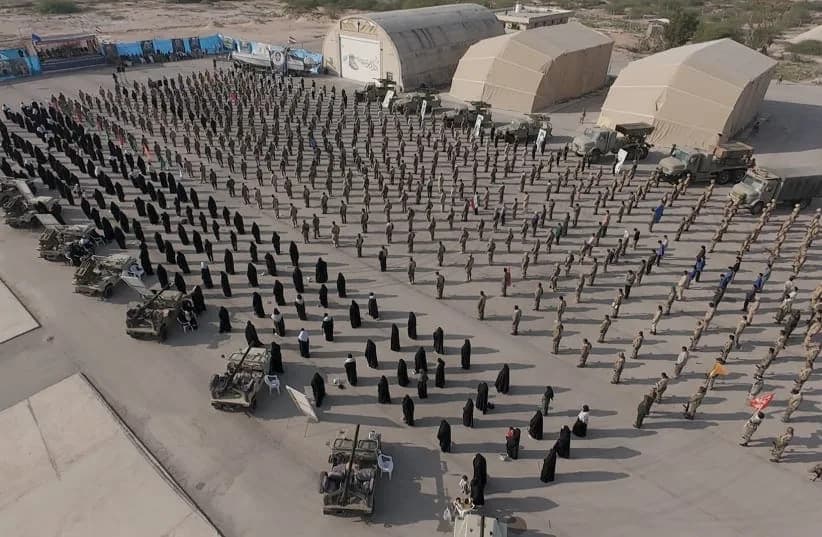
Pro-government demonstrations continue at night, with participants waving flags and chanting anti-US and anti-Israel slogans under security protection. Turnout, however, is smaller than at the start of the conflict, while public frustration over economic hardship grows.
The scenes across Tehran — from cafes and gyms to bakeries and small markets — reflect a population trying to maintain normal routines while confronting persistent uncertainty and mounting economic pain.
Help us improve.