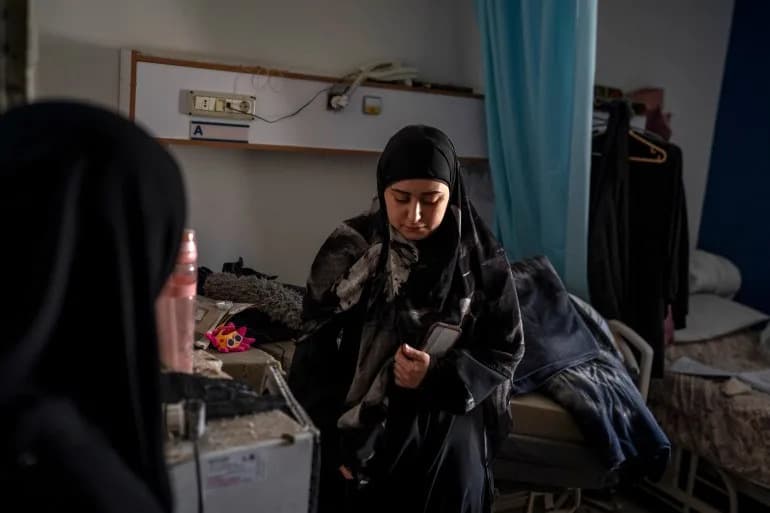
After 100 days, the Israel–Lebanon confrontation has left thousands dead, tens of thousands wounded and at least 1.2 million people displaced. Israeli forces have pushed deeper into southern Lebanon while Hezbollah has reverted to guerrilla tactics and introduced new systems such as fibre-optic drones. Several ceasefire attempts and diplomatic talks have failed to stop the fighting, and hospitals, medical teams and journalists have been heavily affected.
100 Days of Fighting: Israel’s Renewed Campaign in Lebanon and Its Human Cost
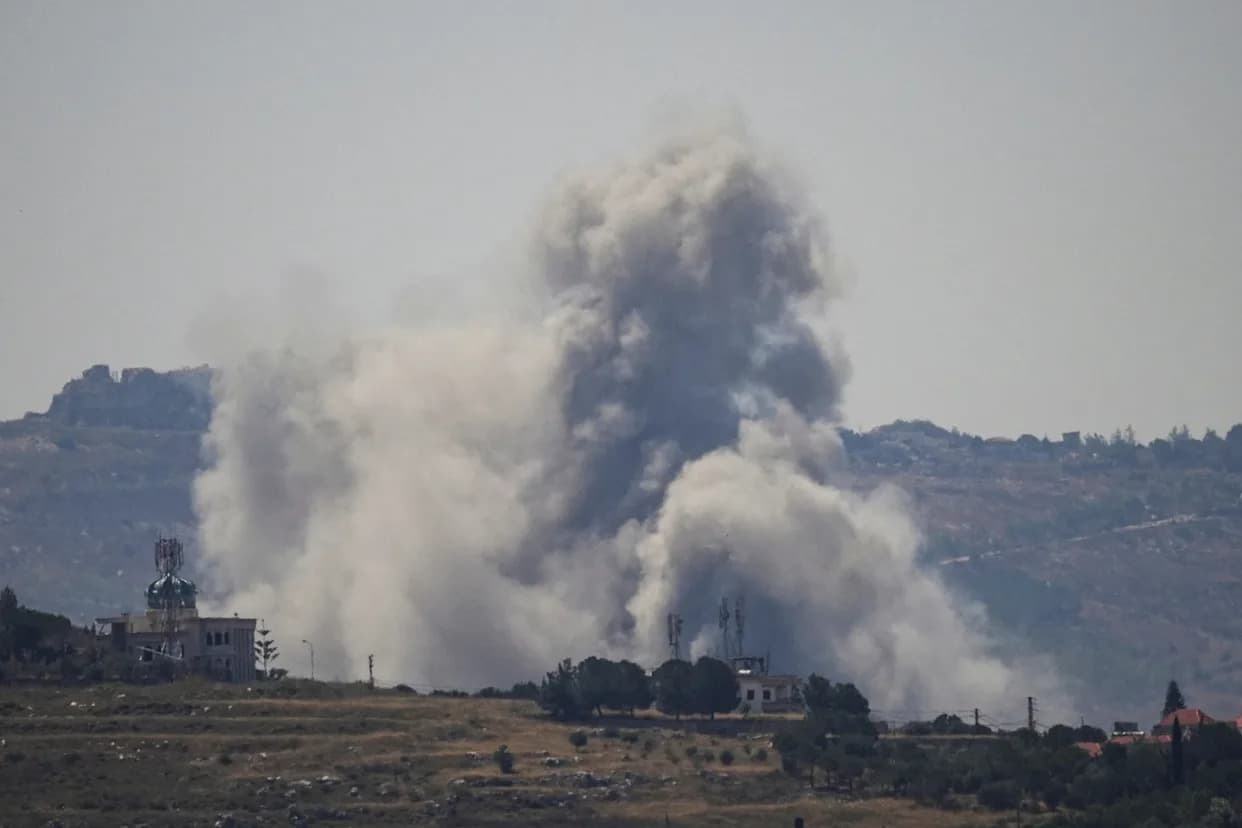
Smoke billows from southern Lebanon, following Israeli attacks, as seen from Nabatieh, June 8, 2026 [Reuters]
Beirut — Tuesday marks 100 days since the latest major escalation between Israel and forces in southern Lebanon. Over this period, sustained Israeli operations and reciprocal strikes by Hezbollah and allied groups have produced mounting civilian suffering, deep territorial incursions and faltering diplomatic efforts to secure a durable ceasefire.
Overview
The confrontation began in early March and has since involved intense air, artillery and ground operations across southern Lebanon. For the first time in decades, Israel and Lebanon have engaged in direct talks, but multiple ceasefire attempts have collapsed or failed to hold.
Human Toll
According to Lebanon’s Ministry of Public Health, more than 3,600 people have been killed and roughly 11,000 wounded since the escalation began; the ministry reports at least 245 children among the dead and at least 900 children wounded. Numerous medical and emergency workers have been killed, and medical infrastructure has been heavily impacted — with dozens of hospitals damaged and several forced to close.
Frontlines and Tactics
Fighting remains concentrated in southern Lebanon, where Israeli forces face Hezbollah’s entrenched militia and allied groups. Analysts note a shift toward guerrilla-style operations by Hezbollah, including increased use of small-unit ambushes and new technologies such as fibre-optic drones, which have added a new tactical dimension.
“They’ve gone back to their guerrilla roots,” said Nicholas Blanford, a nonresident fellow at the Atlantic Council. “The intention now, like back in the 1990s, is to wear the Israelis down.”
Territorial Incursions and Displacement
Israeli forces have advanced deeper into Lebanese territory than at any point since their withdrawal in 2000, with media and official estimates citing roughly 2,000 sq km of territory entered or occupied. The operations have produced mass displacement: humanitarian agencies and government figures report at least 1.2 million people uprooted from southern Lebanon, the Bekaa Valley and parts of Beirut — many displaced more than once.
Diplomacy, Ceasefires and Regional Dynamics
Officials in Beirut and Jerusalem have pursued direct negotiations, and international actors including the United States and Iran have inserted themselves into ceasefire diplomacy. Iran has publicly linked Lebanon’s security to broader talks with the United States and Israel. Multiple temporary pauses and alleged agreements — including declarations following talks on June 3 — have not translated into a stable cessation of hostilities; Hezbollah publicly rejected the June agreement.
Political Pressures
Lebanon’s central authorities face growing pressure domestically and from international partners to assert control and to respond to armed groups’ activities. Political leaders have expressed reliance on high-level diplomatic engagement from external powers to achieve a resolution, even as public confidence remains fragile.
Notable Incidents
One of the deadliest single days in the recent fighting was April 8, when a rapid series of strikes — labelled by some reports as operation “Eternal Darkness” — killed hundreds and prompted international condemnation and calls for independent investigation. Both sides accuse each other of targeting civilians and civilian infrastructure.
Outlook
Analysts warn that without meaningful international mediation and protective measures for civilians, the conflict risks protracting. Casualty and displacement figures are evolving and come primarily from Lebanese authorities and humanitarian organizations; independent verification remains difficult amid ongoing operations.
Sources: Lebanon Ministry of Public Health, field reports, statements by officials and interviews with regional analysts.
Help us improve.