
Summary: Donald Trump has publicly insisted he remains in charge of U.S. policy in the Middle East even as Israel and Iran have exchanged direct strikes, straining a two-month-old truce. Divergent priorities — Washington’s focus on preventing wider economic and strategic fallout versus Israel’s emphasis on degrading Iran and Hezbollah — have exposed limits to U.S. influence. Renewed Israeli strikes, Iranian missile responses and domestic political pressures in Israel mean the prospects for a stable deal are uncertain and the risk of escalation remains elevated.
Trump’s Grip Slips: How U.S. Influence Frayed as Israel and Iran Escalated
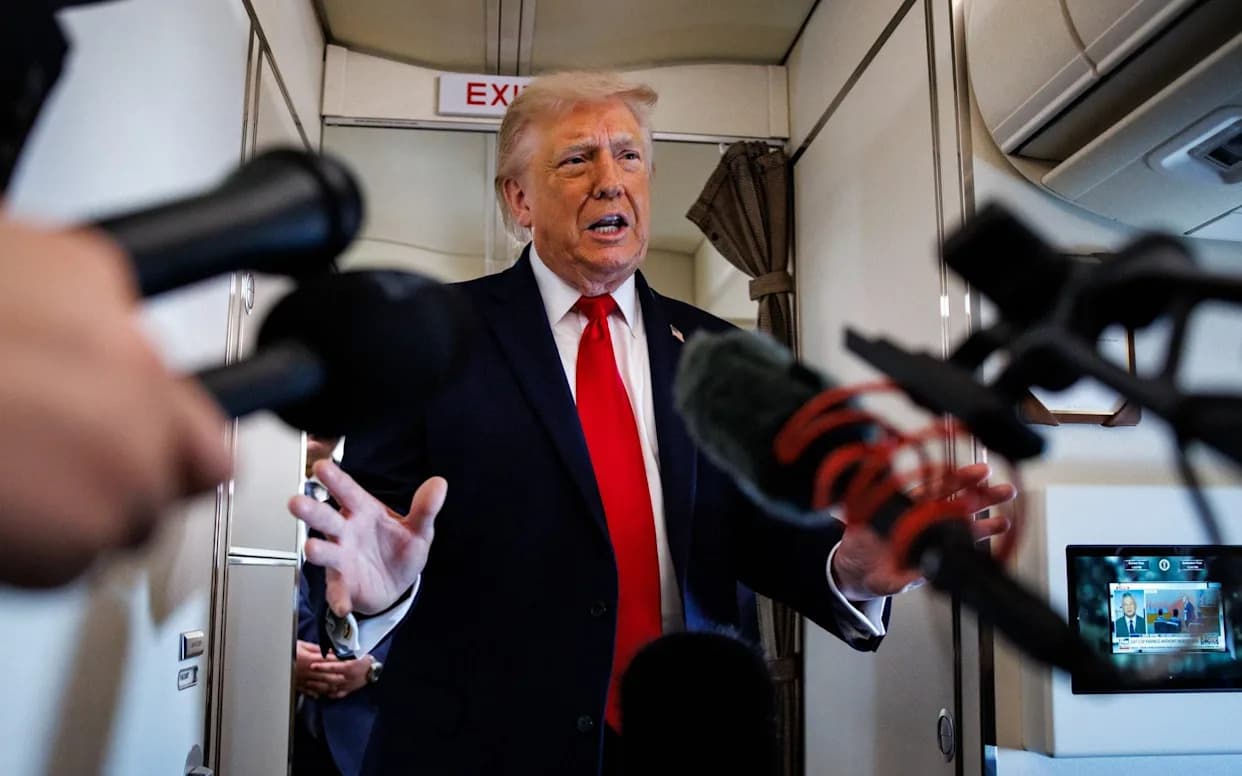
Donald Trump spends a lot of time speaking with reporters – or attacking the ‘mainstream media’ - Getty
As Donald Trump publicly insisted he was "calling the shots" in the Middle East, Israel and Iran were increasingly striking one another — a breakdown that exposed growing gaps between U.S. priorities and those of its Israeli ally.
Facing a fragile truce with Tehran that was rapidly unraveling, the U.S. president repeatedly took calls from reporters and used broadcast interviews to shape a public message. After Iran launched salvos of ballistic missiles at targets in Israel, Mr. Trump told Fox News:
"You’ve shot your missiles. That’s enough. Get back to the table and make a deal."
He framed Iran’s response as at least partly a reaction to an earlier Israeli strike on the southern outskirts of Beirut — an attack ordered by Benjamin Netanyahu despite prior pressure from Washington. Speaking to Axios, Mr. Trump warned that another Israeli response risked triggering an escalating cycle of reprisals:
"Each of them had their fun. Israel had its strike and Iran had its strike. We don’t need another one."
Directing much of his pressure at Israel, Mr. Trump told the Financial Times:
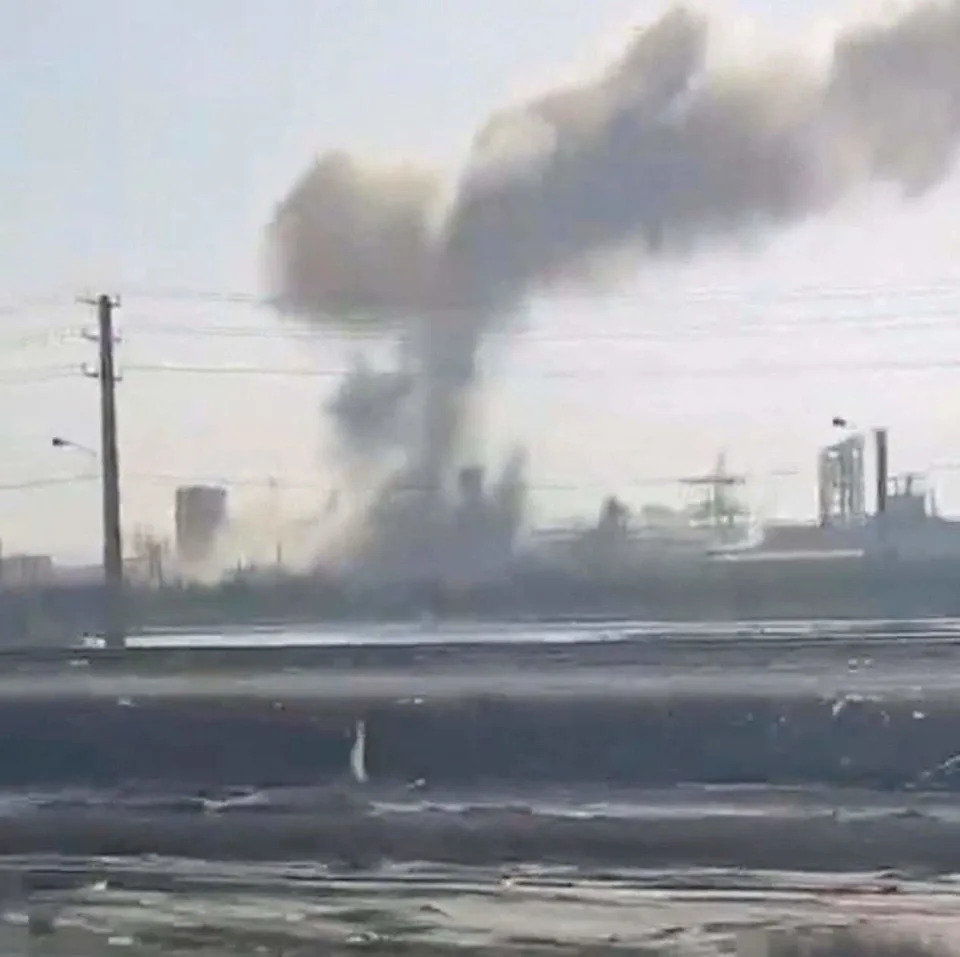
Smoke rises near Iran’s Mahshahr petrochemical complex after a reported Israeli attack on Monday - Reuters
"I call the shots. I call all the shots. He doesn’t call the shots."
Diverging Priorities
Washington and Jerusalem started the confrontation appearing to act in concert, but their priorities have diverged. Mr. Trump is primarily focused on preventing a wider conflict that would disrupt global energy markets and American interests — including security in the Strait of Hormuz — and on minimizing U.S. exposure as international events such as the 2026 World Cup approach. Mr. Netanyahu is chiefly focused on Iran’s missile capabilities, its nuclear program, and the threat posed by Tehran’s Lebanese proxy, Hezbollah.
From Truce To Direct Strikes
In recent weeks exchanges between Iran and U.S. forces in the Persian Gulf strained the truce, though Washington said its actions were in self-defence. The dynamic shifted dramatically when Israel and Iran began striking each other directly for the first time since the ceasefire began two months earlier. Israeli strikes on military sites and a petrochemical complex in southern Iran prompted further Iranian missile launches, heightening the risk that the situation could spiral out of control.
When the war began on Feb. 28, Mr. Netanyahu boasted that the U.S. and Israel were fighting side by side. But as the campaign stalled and a fragile truce took hold, the Israeli prime minister increasingly found himself constrained by U.S. pressure and domestic politics alike.
Telephone Diplomacy And Political Pressure
Tensions peaked after reports of an explosive phone call from Mr. Trump to Mr. Netanyahu, in which the U.S. president questioned the Israeli leader’s strategy and warned that continued strikes risked isolating Israel internationally. Under intense U.S. pressure, Israel and Lebanon briefly agreed again to a ceasefire contingent on Hezbollah withdrawing its operatives from southern Lebanon — terms the militia rejected.
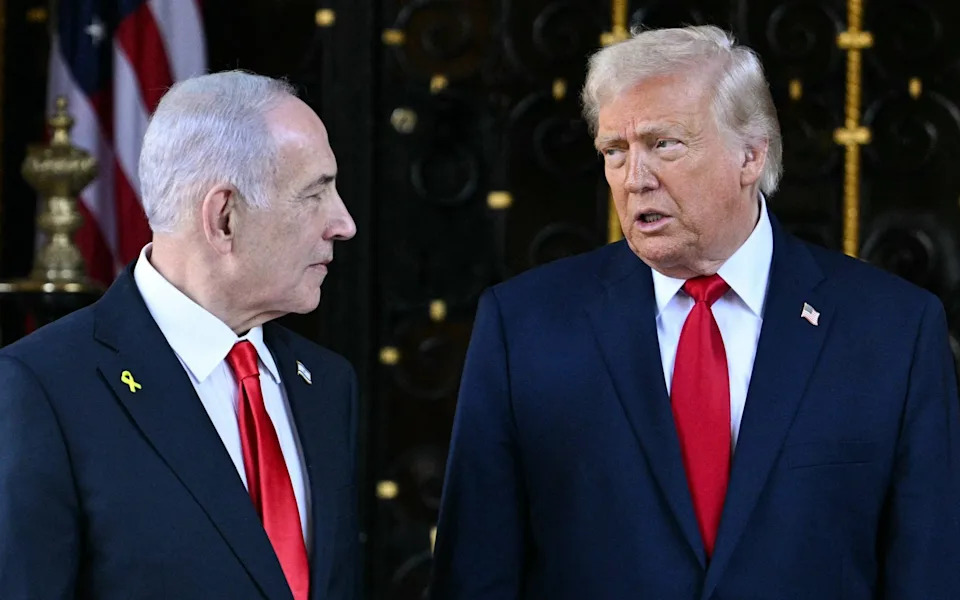
Benjamin Netanyahu and Donald Trump went to war together, but their aims appear to have diverged - AFP
Domestic political pressure has also shaped decisions in Jerusalem. With an election looming, Mr. Netanyahu has faced hawkish criticism at home for any sign of capitulation, which helped prompt renewed Israeli strikes on Beirut’s southern suburbs in retaliation for Hezbollah attacks in northern Israel.
Why Iran And Hezbollah Matter
Tehran has demanded that any lasting agreement address Hezbollah’s role — a non-negotiable point for Iranian hardliners who worry a deal that leaves Israel free to act against Hezbollah at will would be meaningless. At the same time, Iran has shown a pattern of limiting its own direct intervention and relying on proxies; it has not always committed large-scale Iranian forces even during intense confrontations.
Militarily, Israel’s 2024 campaign inflicted heavy damage on Hezbollah, but the militia has adapted, employing low-cost drones and asymmetric tactics that could bog down Israeli forces in a prolonged campaign.
Outlook
For now, Mr. Trump is publicly asserting control, pressing both Tehran and Jerusalem to step back from escalation. But the fate of any lasting agreement will depend on several factors: whether Mr. Netanyahu can reconcile domestic political pressures with U.S. demands, how far Tehran is willing to push its proxies, and Washington’s appetite for sustained involvement. Absent clear alignment among those players, the risk of renewed, wider conflict remains high.
Credit: WANA/Reuters
Help us improve.





















