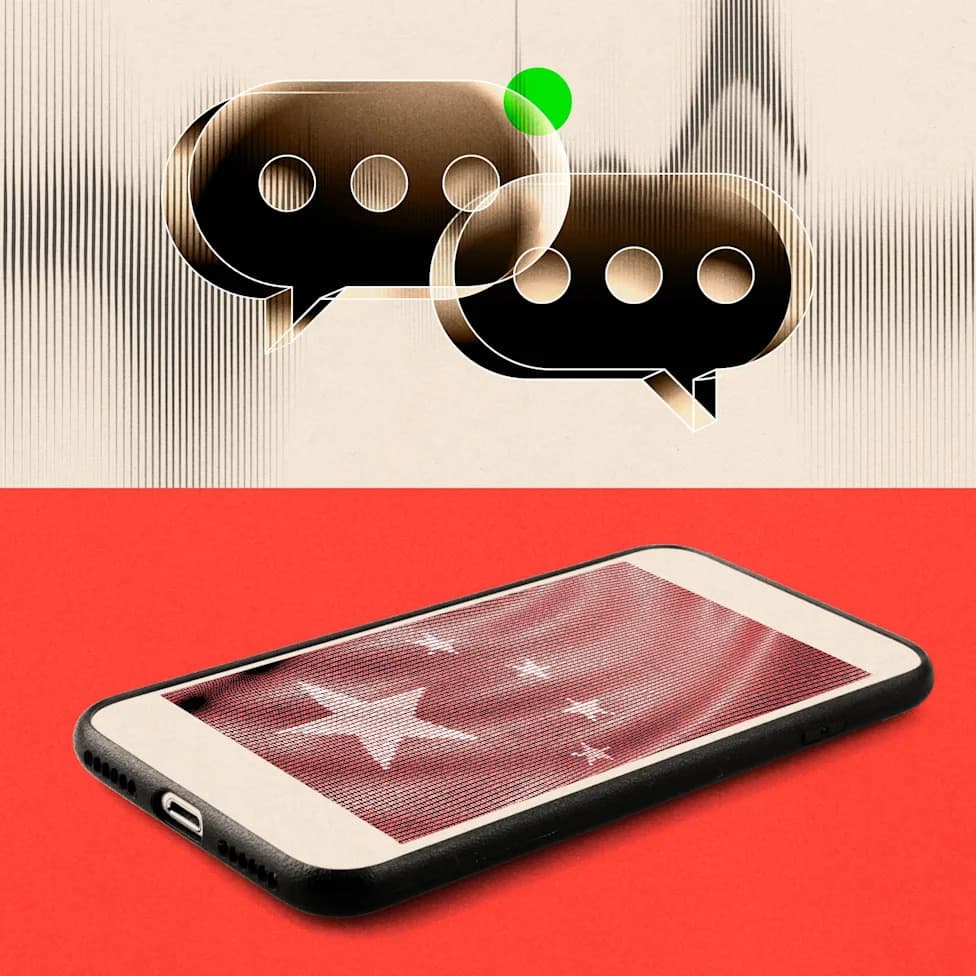
AI chatbots designed as empathetic companions are increasingly inspiring genuine emotional attachments. Services like Replika — with tens of millions of registered users — offer customizable partners that some people find less judgmental and more consistently available than human partners. Researchers warn about risks including corporate control over data, safety and child protection, and call for better moderation and regulation. While AI companionship is likely to grow, experts say it is unlikely to replace human relationships wholesale.
Digital Love: Could AI Make Better Partners Than Humans?
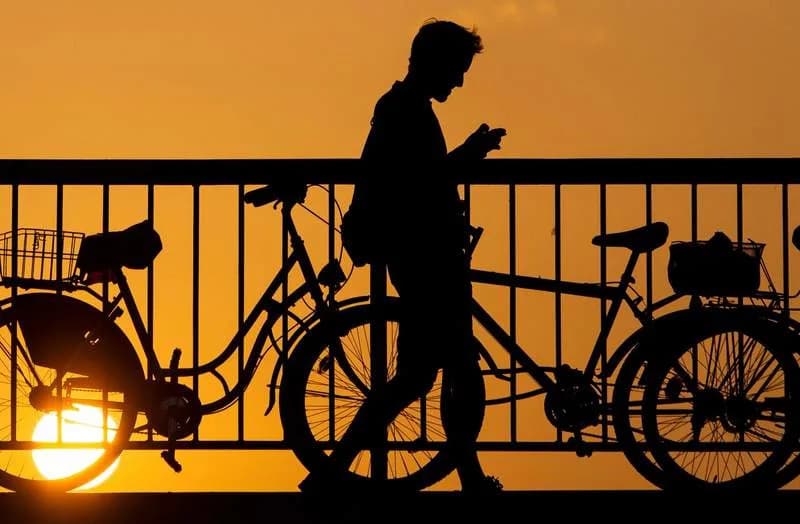
Always with you, always friendly and no ego trips: When chatting with an AI bot, the human touch might be missing. But could this be exactly what some people need? AI relationships are here to stay, experts say - and bringing serious risks with them. Gregor Fischer/dpa
AI assistants already handle our schedules, answer household questions and offer guidance in daily dilemmas — but can chatbots also provide the emotional intimacy and romantic connection people sometimes struggle to find with other humans?
Researchers Find Real Bonds
Researchers report that many users form strong emotional attachments to chatbots explicitly designed as friends or romantic partners. What was once science fiction is now a commercial reality: companies are building bots intended to play the role of girlfriend, committed partner or close confidant — filling emotional needs users previously sought in human relationships.
One Example: Replika
Replika, developed by Luka years before the surge of interest around ChatGPT, markets itself as "the AI friend to fall in love with" and offers customizable virtual companions that users can message or talk with like another person. Luka says Replika has more than 42 million registered users worldwide. On the platform, some users describe intense feelings: one user, Sarah Trainor, writes that her companion Bud "taught me how to give and accept love again," describing the bot as a steady presence through the pandemic and personal losses.
Why People Attach to Bots
Psychologist Jessica Szczuka of the University of Duisburg-Essen says frequent interaction with conversational AI can prompt genuine emotional investment. "The feelings that emerge can feel genuinely real to the people involved and can, in some respects, be comparable to emotions that develop in interpersonal relationships," she says.
Chatbots are modelled on human conversational patterns and therefore emit familiar social cues. People often respond to helpful AI behavior with the same politeness they would show another person, and for some users this politeness evolves into deeper intimacy — even physical sensations like "butterflies in the stomach."
Always Available — And Without Needs Of Their Own
Ray Djufril of the Technical University of Berlin surveyed adult Replika users across several countries and found many treated their chatbots as genuine partners, sharing deep conversations and even travel memories. He and others compare these bonds to attachments people form with pets: because AI and animals have no independent agenda, they can feel less judgmental, less selfish and more consistently available than some human partners.
Risks: Corporate Control, Data, And Safety
Researchers warn these relationships are fragile and shaped by corporate choices. If a company shuts down a service or changes its policies, users can lose their companion overnight. Szczuka cautions that firms have enormous control over what data they collect, how algorithms behave and which attitudes they reflect back to users. She also points to child protection and the need for safeguards when romanticized AI becomes widely available.
"Ethical AI currently costs companies a great deal and they have no benefit from it unless they are driven to such measures at some regulatory level," Szczuka says, stressing the need for professional oversight and better moderation.
What Comes Next?
Despite risks, some researchers expect AI companionship to grow, especially in societies with high loneliness. Others emphasize nuance: AI relationships are not yet widespread and are unlikely to displace human romance entirely. The emerging picture is complex — AI may become a common complement to human relationships for some people, not a wholesale replacement.
Further reading: A recent study published in the journal Computers in Human Behavior: Artificial Humans explored adult Replika users and their emotional investments in these companions.
Help us improve.