
Iran fired ballistic missiles at Israel on June 7, 2026, which Israeli authorities say were intercepted by air-defence systems with no immediate reports of casualties. Iran described the strikes as retaliation for an Israeli attack on a Hezbollah command post in Beirut. President Trump urged restraint and said he would call Prime Minister Netanyahu to press against further escalation. Regional airspace restrictions were issued as the situation continued to develop.
Iran Fires Ballistic Missiles At Israel — Air Defenses Intercept, Tensions Spike
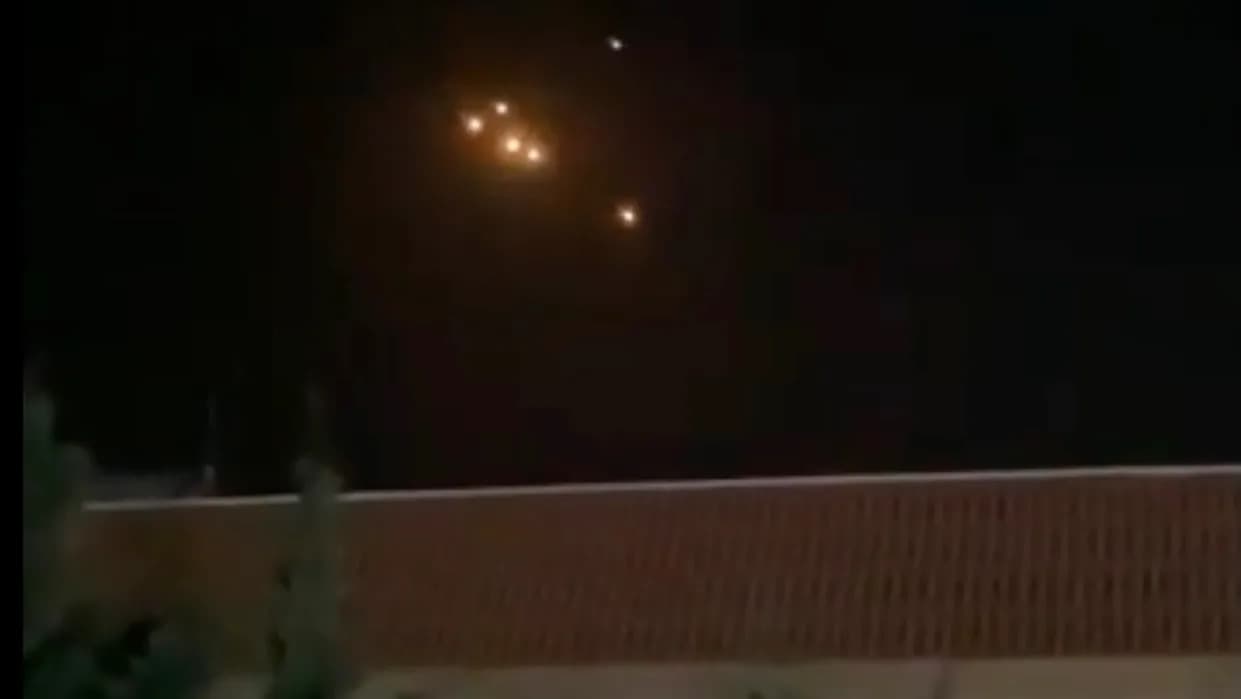
Screenshot
Iran launched a barrage of ballistic missiles toward Israel on June 7, 2026, the Israeli Defense Forces (IDF) reported, marking the first such attack since the April 8 ceasefire. Iranian officials said the strikes were retaliation for an Israeli strike earlier that day on a Hezbollah command post in the Dahieh district of Beirut. The exchanges raise urgent questions about whether the ceasefire can hold.
"A short while ago, the IDF identified missiles launched from Iran toward the territory of the State of Israel," the IDF said on its Telegram channel, adding that Israel's defensive systems were activated to intercept incoming threats. Sirens sounded across multiple regions after the launches were detected.
Interceptions, Videos And Official Statements
Open-source monitors and official accounts posted video showing Israeli air-defence batteries engaging incoming missiles over northern Israel, and some clips purported to show the Iranian launches originating from central Iran. Iranian state outlets also acknowledged the launches.
Following multiple intercepts, the IDF reported no immediate injuries or damage and said its defensive systems had neutralized the incoming missiles. Still, a senior Israeli official told local media, "There will be a forceful response." Israeli authorities warned civilians to remain alert for possible further strikes.
Context And Wider Escalation
Earlier on June 7, Israel said it struck a Hezbollah command post in Dahieh, Beirut, asserting the target was linked to rocket attacks on northern Israeli communities. Tehran described its missile salvo as retaliation. The incident follows months of escalating exchanges that intensified after U.S. and Israeli strikes inside Iran beginning Feb. 28, 2026.
International Reactions And Airspace Restrictions
In Washington, President Donald Trump urged restraint and said he planned to call Israeli Prime Minister Benjamin Netanyahu to urge against further retaliation. In interviews, Mr. Trump said he did not want renewed strikes to derail ongoing negotiations with Iran.
Regional aviation notices were issued after the launches: Iran announced it had closed parts of its airspace, and Iraq issued a NOTAM restricting flights for operational reasons. Iranian media also circulated an image they said showed a message inscribed on the missiles.
IDF Spokesperson: "The Iranian regime made a grave mistake when it once again chose terrorism."
This remains a developing story. Officials from the countries involved and independent monitors continue to report new details. For further information, contact the author at [email protected].
Help us improve.





















