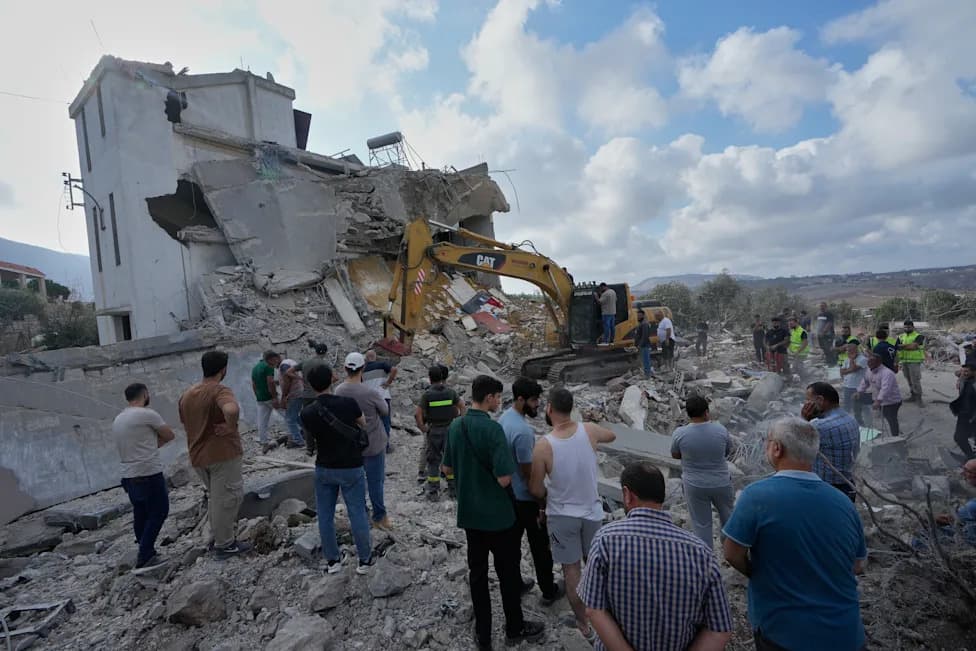
Quick Summary: Israel struck the Dahieh district in southern Beirut — the first attack on the capital since a US‑brokered truce — hitting two apartment buildings and killing two people while injuring at least 17. Israel said it targeted Hezbollah infrastructure in response to cross‑border fire; Hezbollah has not publicly commented. Iran warned of a "decisive and painful response," and the incident highlights the fragility of the ceasefire and ongoing diplomatic strains.
Israel Strikes Dahieh In Beirut After US‑Brokered Truce — Two Dead, Dozens Injured
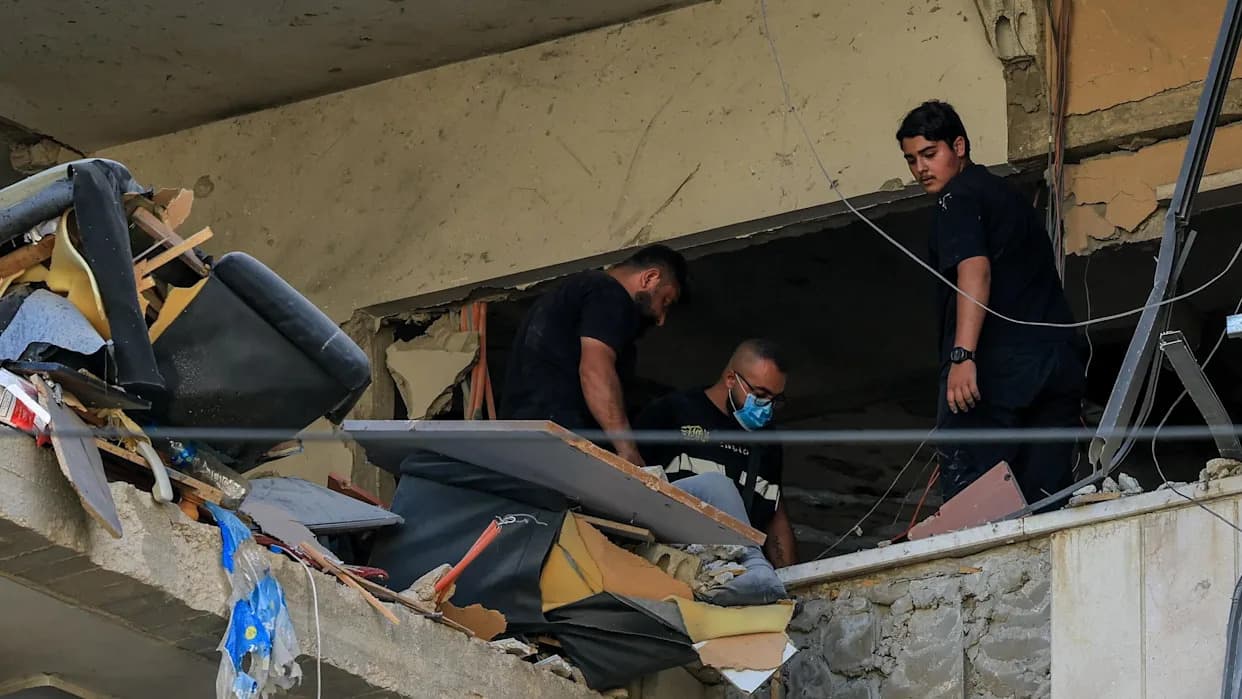
Emergency services at the scene of the Israeli strikes on Sunday [Reuters]
Israel carried out air strikes in the Dahieh district of southern Beirut on Sunday, marking the first attack on Lebanon’s capital since a US‑brokered truce was announced last week. Lebanon’s state news agency reported that two apartment buildings were hit, killing two people and injuring at least 17.
Details of the Strike
Prime Minister Benjamin Netanyahu said the operation targeted "terrorist headquarters in the Dahieh district of Beirut, in response to Hezbollah's firing at Israeli territory." An Arabic‑language Israeli army spokesman posted on X that "Hezbollah terrorist infrastructure" was being targeted and signalled further strikes, writing: "To be continued." Hezbollah had not issued a public comment by the time of reporting.
Witnesses described damage to the lower floors of a residential building, with exposed apartments and debris — concrete and twisted metal — scattered in the street. Social media footage showed crowds rushing to assist the wounded.
Regional Reactions and Warnings
The Israeli military said it intercepted two projectiles crossing into Israeli territory from Lebanon; Hezbollah has not claimed responsibility for those launches. Ebrahim Rezaie, a spokesperson for the foreign policy and national security committee of Iran’s parliament, warned of "a decisive and painful response" to the Beirut strikes.
Diplomatic Context
Strikes on Beirut had been largely restrained amid US diplomatic pressure, with Washington concerned that attacks inside the capital could jeopardise broader negotiations. The Dahieh strike comes after a week of escalating tensions: a prior Israeli threat of a broad offensive on Dahieh prompted large‑scale displacement and urgent American diplomacy to de‑escalate the situation.
President Trump later wrote on Truth Social that there would be "no troops going to Beirut" after a call with Prime Minister Netanyahu; the US also told Qatar — which had been involved in de‑escalation efforts — that it had asked Israel to stand down. In an NBC interview, Mr. Trump said he was not insisting that Lebanon be part of any peace deal with Iran, effectively separating negotiation tracks even as the Dahieh strike risked destabilising both.
Wider Conflict Dynamics
Lebanon has been drawn into a broader regional confrontation marked by exchanges between Israel, Hezbollah and Iran‑aligned actors since early March, when a cycle of strikes and retaliations escalated across the region. A ceasefire has nominally been in force since 17 April but has been repeatedly violated by strikes and cross‑border fire.
Sunday’s attack is the third strike on Beirut since the ceasefire took effect, following earlier strikes that reportedly targeted senior Hezbollah figures. Lebanon’s Parliament Speaker Nabih Berri — leader of the Amal movement and closely aligned with Hezbollah — rejected the US‑brokered deal this week, calling it "a trap" for not requiring an Israeli withdrawal from occupied southern areas. Hezbollah’s deputy leader Naim Qassem warned that disarming the group would amount to fulfilling "the enemy's objectives."
The strike underlines how fragile pauses in fighting remain and raises fresh doubts about whether diplomatic efforts can prevent a broader resumption of hostilities.
Help us improve.