Overview: Strong primary performances by Republican Steve Hilton and Spencer Pratt generated buzz, but California’s deep Democratic registration advantage, concentration of voters in the Bay Area and Los Angeles, demographic shifts and entrenched political networks make GOP comebacks unlikely. Hilton faces a well-funded Democratic machine and the uncertainty of late ballot counts; Pratt lacks extensive administrative experience in a city with severe structural problems. Low primary turnout offers a possible opening, but reversing decades-long trends would require broad coalitions and sustained organizing.
Can California Be Saved From The Left? Why GOP Comebacks Look Unlikely
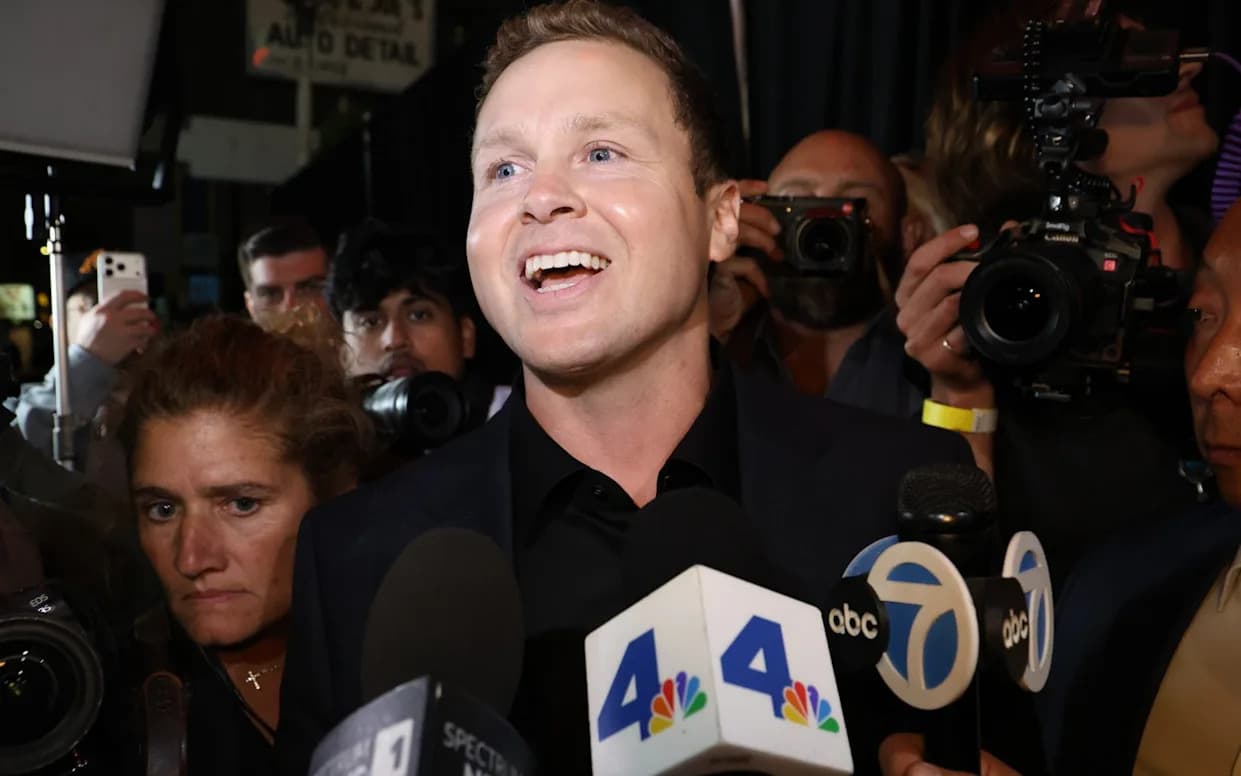
The former reality-TV star Spencer Pratt has run an eye-catching campaign - HIGHFIVE/Bauer-Griffin/GC Images
In the weeks after the primaries, conservative commentators celebrated unexpectedly strong showings from Republican Steve Hilton in the governor’s contest and Spencer Pratt in the Los Angeles mayoral race. Both drew attention: Hilton as a former advisor to a U.K. prime minister and a familiar television pundit, and Pratt as a celebrity insurgent with a dramatic, media-savvy campaign.
Why These Results Matter — And Why They May Not Be Enough
Despite the excitement, California remains solidly Democratic. Voter registration tilts heavily toward Democrats, the state’s most populous regions typically determine statewide outcomes, and long-term demographic and economic trends favor the left. Even strong primary nights do not necessarily translate into November victories.

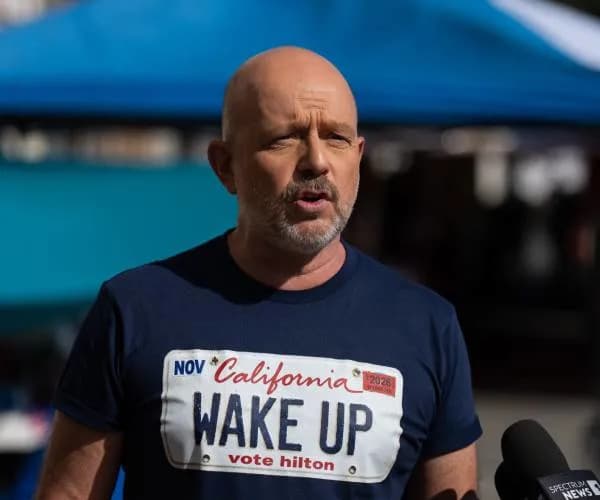
Steve Hilton is a Donald Trump-endorsed former adviser to David Cameron - Mario Tama/Getty Images
Hilton’s Challenge
Hilton combines policy arguments and media experience, but he faces structural disadvantages. His campaign trails the deep financial and organizational resources available to Democratic-aligned candidates supported by public-sector unions and wealthy donors. California’s famously slow vote count also leaves room for late ballots — often returned and processed after Election Day through organized drives — to reshape primary results, a dynamic that has in past cycles worked against conservative hopefuls.
Geography compounds the problem: Xavier Becerra led in vote-rich Los Angeles and the Bay Area, where turnout typically decides statewide contests. Hilton won counties such as Orange and San Diego and parts of inland Southern California, but those totals are difficult to scale up against the two major metropolitan regions.
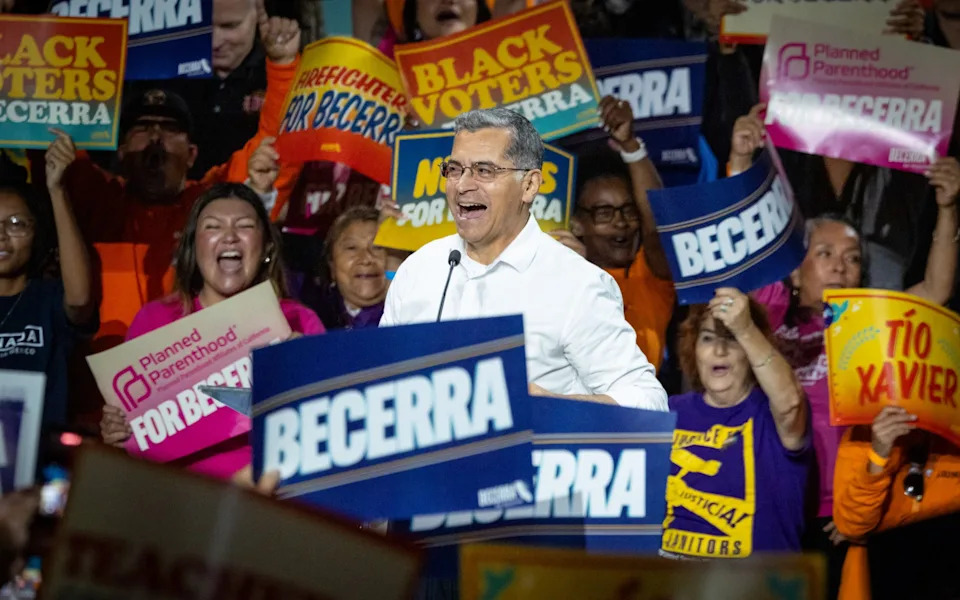
Xavier Becerra served as California’s attorney general and later as health secretary in Joe Biden’s administration - Jason Armond/ Los Angeles Times via Getty Images
Pratt’s Task In Los Angeles
Pratt’s appeal is partly theatrical and partly populist: he casts himself as an outsider fighting homelessness, retail crime and failing services. Yet Los Angeles’s electorate favors Democrats by a wide margin, and the city’s entrenched political networks remain influential. Incumbent Mayor Karen Bass may be criticized for performance on several fronts, but that criticism has not yet translated into a durable political alternative capable of overturning deep partisan advantages.
Pratt’s limited administrative experience also raises questions about his readiness to manage a complex city government strained by high housing costs, persistent poverty and deteriorating public services. The last Republican mayor of Los Angeles won under very different civic conditions and with a corporate and civic leadership that is less unified today.
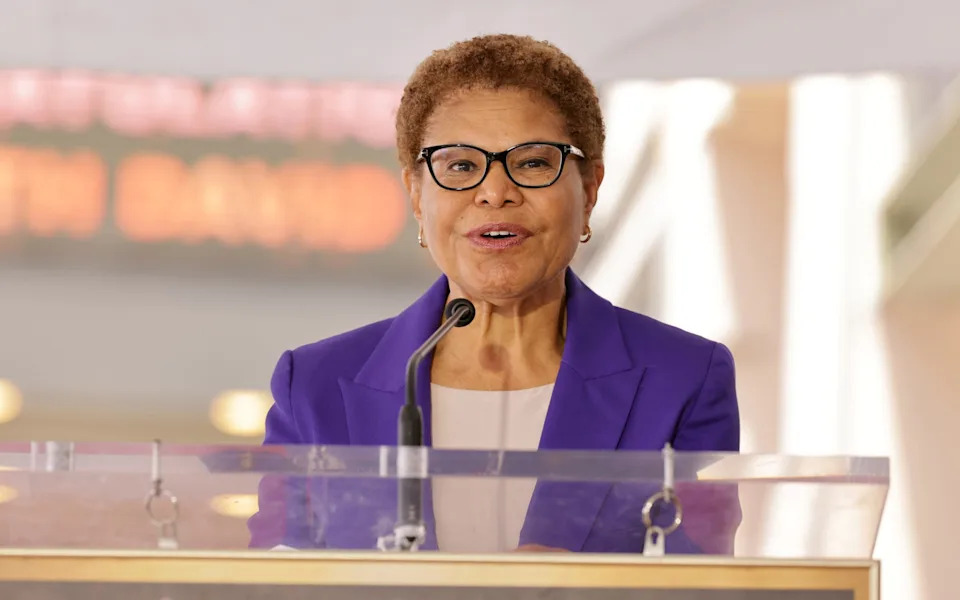
Mayor Karen Bass has been criticised for her handling of the Palisades fire - Eric Charbonneau/Getty Images North America
Broader Forces At Work
Several larger trends make a Republican resurgence difficult: California’s voter registration is heavily Democratic, its population has changed markedly over recent decades, and many middle-class families and some employers have relocated to other states. The Department of Finance projects little population growth and even a long-term decline through mid-century, which could further reshape the electorate and economy.
National politics also complicate matters. Endorsements from polarizing figures may help in primaries but can be liabilities in a general election in a state where those figures are broadly unpopular.
Still, There Are Opening Lines
"Unusually low turnout in the primary suggests electoral dynamics could shift," a Republican official noted — an opening that might benefit challengers if Democrats fail to mobilize in November.
But overcoming structural party advantages, demographic shifts and entrenched political machines will require more than primary surprises: it will demand sustained organizing, broad coalitions, and policy proposals that address housing, jobs, public safety and services in ways that win trust across diverse communities.
After five decades in California — four of them in Los Angeles — the author is hopeful for change but realistic about the scale of the challenge facing conservative challengers this election cycle.
Help us improve.