
100 days into the crisis: The US–Israel strikes on Iran have triggered a global energy shock, wider regional violence and a fragile, uneven ceasefire. Gulf states and Lebanon suffered direct attacks while major powers urged restraint and pursued diplomatic channels. Pakistan has played a prominent mediation role, but experts say unclear strategic aims and ongoing strikes complicate prospects for a lasting settlement.
How the World Responded to the US–Israel Strikes on Iran: 100 Days of Diplomacy, Economic Shock and Regional Tension
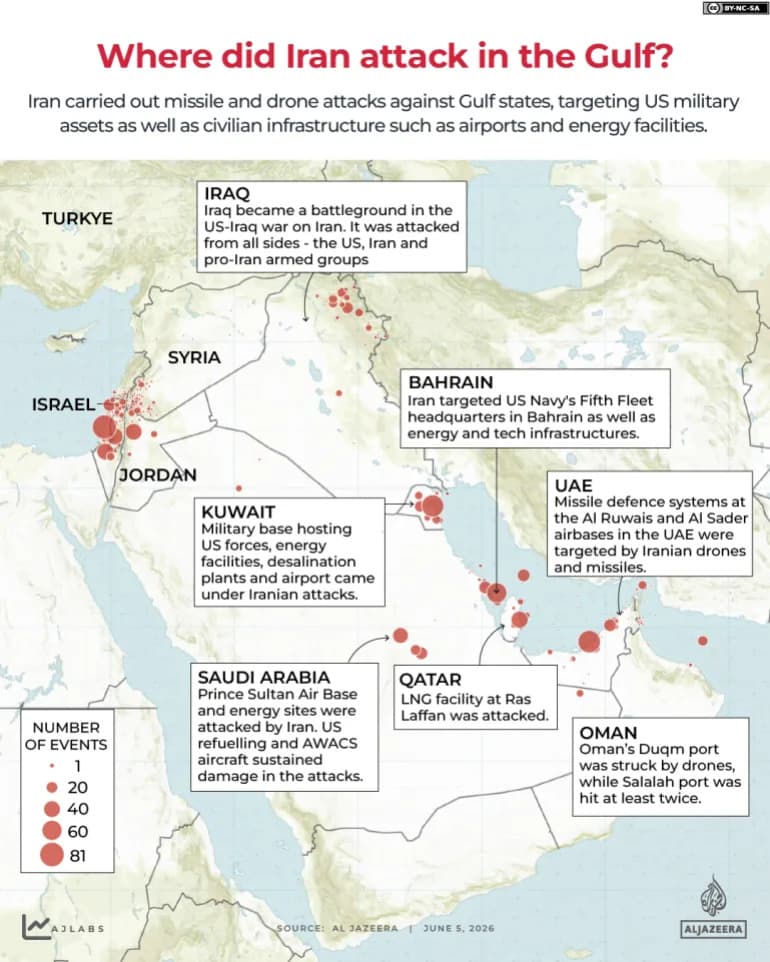
(Al Jazeera)
Sunday marked 100 days since the United States and Israel launched military strikes on Iran, a conflict that has disrupted global energy markets, worsened economic uncertainty and spread violence beyond Iran’s borders into the Gulf and Lebanon. Tehran described the attacks as an "unprovoked act of aggression." A fragile ceasefire has been reported since April 8, but hostilities — including continued Israeli operations in Lebanon — have persisted, with heavy civilian tolls reported.
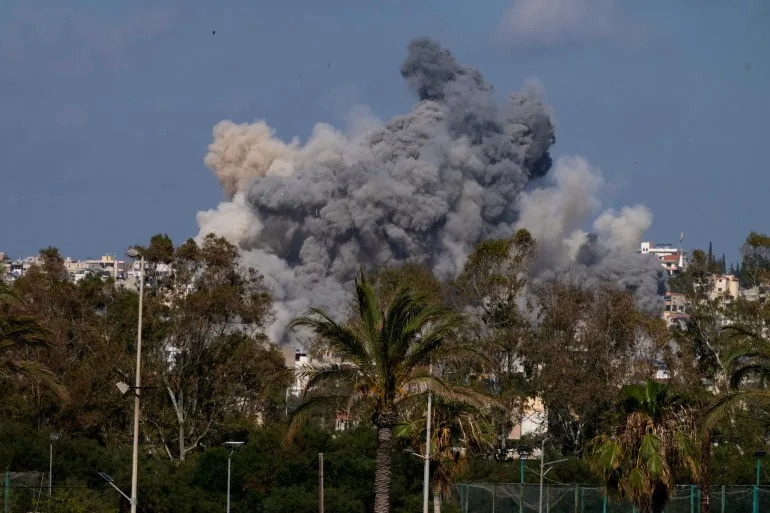
Smoke rises from an Israeli airstrike that hit Burj al-Shamali village near the southern port city of Tyre in Lebanon on June 2, 2026 [Mohammed Zaatari/AP Photo]
Global Political Reactions
Most Western allies declined to join the campaign militarily. European governments expressed concern, urged restraint and pushed for renewed diplomacy rather than regime change, while major powers such as China and Russia criticised the strikes and used diplomatic channels to pressure for de‑escalation.
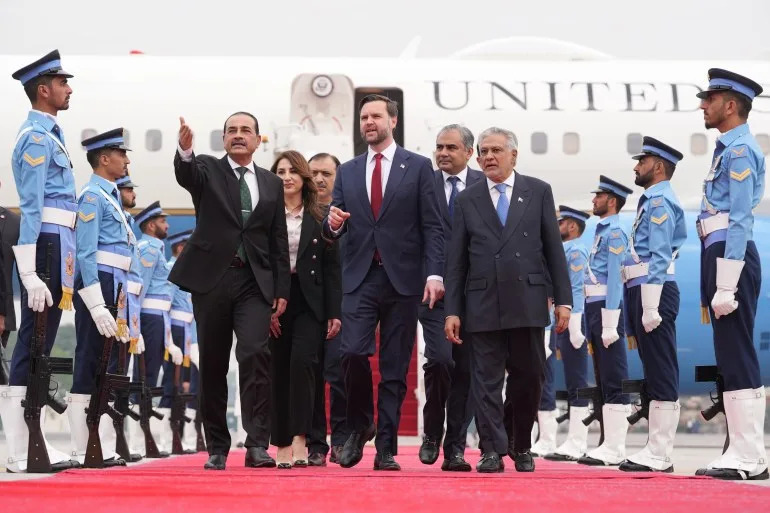
Pakistan has played an important role as a mediator to help end the war. US Vice President JD Vance, centre, visited Islamabad in April for talks [Jacquelyn Martin/AP photo]
Gulf States: Directly Affected
Gulf countries have been directly exposed to missile and drone strikes attributed to Iran, which targeted military assets, ports and energy infrastructure across the region. Several Gulf states condemned attacks on their territory and warned of consequences, while also seeking to avoid full military escalation.
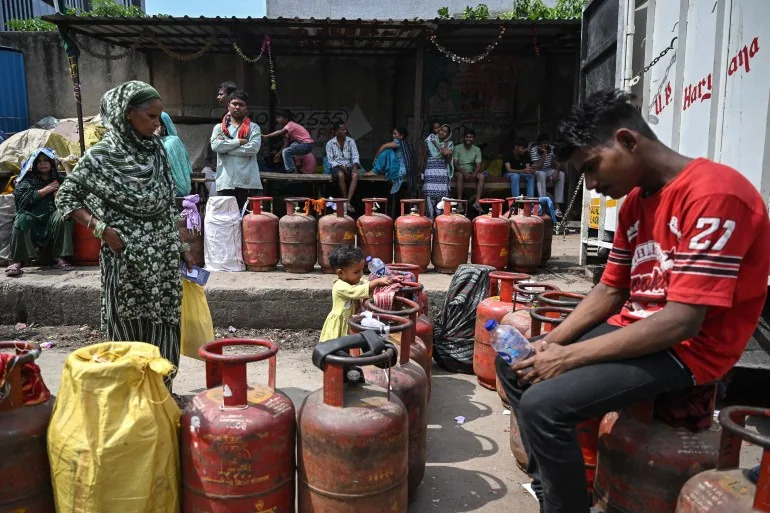
People queue for liquefied petroleum gas (LPG) cylinders at a gas agency in Noida, India amid import disruptions linked to the Middle East war. India is a major importer of LNG and LPG, used mainly for cooking and largely sourced from the Middle East [Arun Sankar/AFP]
Oman
Oman — a longtime discreet mediator with Iran — warned that the strikes while nuclear talks were underway would be counterproductive. Omani ports and infrastructure reported drone strikes during the campaign; Iran has denied responsibility for some incidents. Oman has emphasised dialogue and regional mediation.
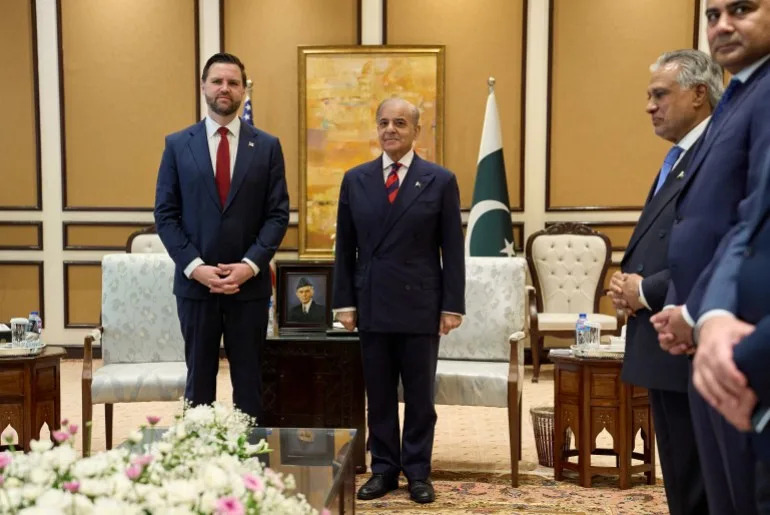
US Vice President JD Vance meets with Pakistan’s Prime Minister Shehbaz Sharif during their meeting on April 11, 2026 at Islamabad, Pakistan [Jacquelyn Martin/Pool/Getty Images]
Qatar
Qatar condemned strikes that damaged infrastructure on its soil and expelled some Iranian personnel after attacks on energy facilities. At the same time, Doha kept communications open with Tehran, hosted diplomatic visits and urged de‑escalation and a political solution.
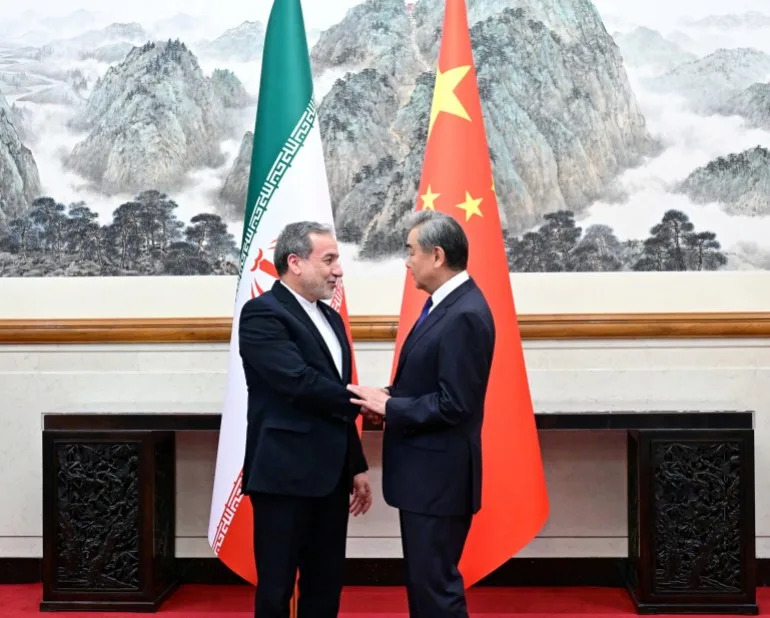
Chinese Foreign Minister Wang Yi and Iranian Foreign Minister Abbas Aragchi shake hands in Beijing on May 6, 2026. China has condemned the US-Israeli attack on Iran but stopped short of offering military support [Handout: China’s Ministry of Foreign Affairs via Reuters]
United Arab Emirates, Bahrain, Kuwait, Saudi Arabia
The UAE, Bahrain and Kuwait publicly condemned attacks attributed to Iran and strengthened domestic security measures. Reporting indicates the UAE carried out covert strikes in retaliation, according to some press accounts. Bahrain used its UN Security Council role to press for action; Kuwait and Saudi Arabia warned that further escalation would deepen regional instability. Saudi Arabia continued oil exports through alternate routes to mitigate disruption.
Regional Neighbours
Iraq has sought to avoid becoming a wider battleground, even as Shia militia and US forces exchanged strikes on Iraqi soil. Turkey called for an immediate halt to the spiral of violence and protested violations of its airspace. Jordan urged the belligerents to stop hostilities after strikes affected assets on its territory. Egypt called for urgent diplomacy and has participated in regional talks to limit escalation.
Asia, Africa and the Indo‑Pacific
India called for restraint and safe passage for its commercial shipping after attacks in the Strait of Hormuz affected India‑bound vessels. Pakistan emerged as an active mediator, helping broker ceasefires and hosting talks. ASEAN governments warned about the economic fallout and explored long‑term steps to reduce dependence on Middle Eastern energy, while several African bodies stressed the humanitarian and food‑price risks facing the continent.
Major Powers and Multilateral Response
China urged an immediate halt to military action and pushed for resumption of talks, while Russia denounced the strikes and pledged diplomatic support to Tehran. Both Beijing and Moscow used their Security Council positions to block measures they judged unhelpful to de‑escalation. The United Nations warned that the conflict threatens regional stability and called for urgent diplomacy to avoid further catastrophe.
Economic Impact
The conflict has increased volatility in global oil and gas markets, driven spikes in shipping insurance and freight costs, and sharpened concerns about food and fuel price inflation worldwide. Vulnerable importers — particularly in Africa and parts of Asia — face mounting economic pressure because of higher fuel prices and disrupted trade routes.
Mediation, Ceasefires and the Outlook
Diplomatic efforts, notably led by Pakistan and supported by quiet channels involving regional states and global powers, produced temporary ceasefires but have struggled to translate pauses in fighting into a durable political settlement. Experts warn that unclear strategic objectives and inconsistent messaging from principal actors have complicated international coordination and prolonged uncertainty.
Key takeaway: Most countries have avoided direct military involvement but remain deeply affected — economically and politically — and continue to press for a negotiated end to the fighting.
Help us improve.





















