
Pakistan's Interior Minister Mohsin Naqvi visited Tehran to hand a 'special letter' to Supreme Leader Ayatollah Ali Khamenei as Islamabad seeks to mediate an end to the 100-day conflict involving the US, Israel and Iran. His talks in Tehran coincided with heightened Gulf tensions after CENTCOM reported shoot-downs of Iranian drones, missile interceptions and subsequent US strikes on Iranian radar sites. Key obstacles remain the release of about $24bn in frozen Iranian assets, a comprehensive end to hostilities and arrangements for the Strait of Hormuz.
Pakistan’s Naqvi Delivers 'Special Letter' to Iran’s Supreme Leader as Gulf Tensions Rise
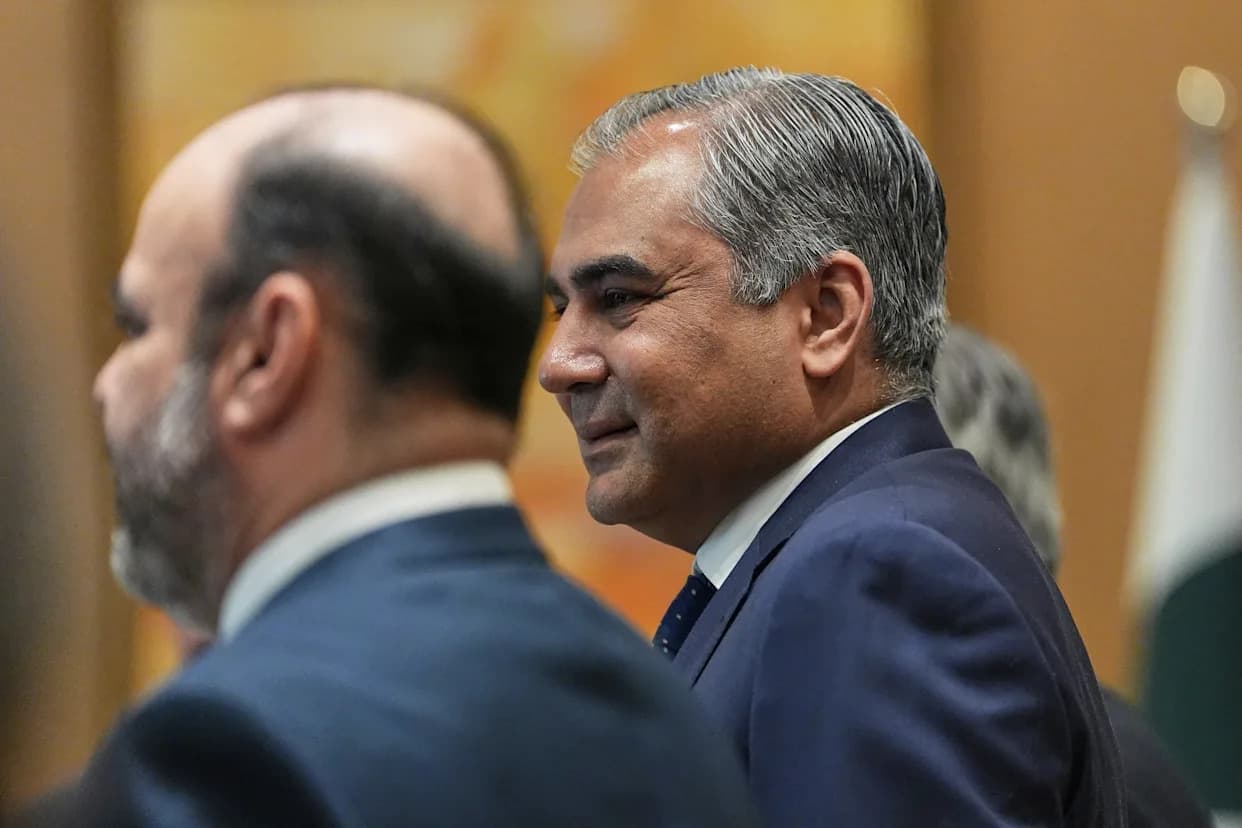
Pakistan's Interior Minister Mohsin Naqvi arrives for a meeting with Pakistan's Prime Minister Shehbaz Sharif and US Vice President JD Vance, both not pictured, in Islamabad, Pakistan [File: Jacquelyn Martin/Reuters]
Pakistan's Interior Minister Mohsin Naqvi arrived in Tehran late on Saturday to deliver a 'special letter' to Iran's Supreme Leader, Ayatollah Ali Khamenei, as part of Islamabad's diplomatic push to help end the ongoing conflict involving the United States, Israel and Iran, now in its 100th day.
Diplomatic Mission and Meetings
Naqvi met Iran's interior minister, Eskandar Momeni, and discussed 'the latest regional developments and matters related to internal security,' Naqvi said on social media. Iranian outlets reported that the letter was from Pakistan's army chief and the prime minister, although Pakistani officials described the visit primarily in diplomatic terms.
Escalation In The Gulf
The visit comes amid renewed hostilities in the Gulf. The US Central Command (CENTCOM) reported that its forces shot down two Iranian one-way attack drones that threatened international maritime traffic in the Strait of Hormuz. CENTCOM also said it intercepted seven ballistic missiles headed toward Kuwait and Bahrain, hours after shooting down multiple drones launched toward the strait.
Following those incidents, US forces said they struck Iranian coastal surveillance radar sites in Garuk and on Qeshm Island 'to defend against further maritime attacks.' Gulf states including Bahrain, Kuwait, Egypt, Jordan and Qatar condemned the strikes, with Bahrain calling them 'blatant aggression' and Kuwait warning of a 'dangerous escalation.'
Sticking Points In Negotiations
Despite intermittent ceasefires and Pakistan-mediated talks, negotiations to end the conflict remain deadlocked. One major impasse is the release of roughly $24 billion in frozen Iranian assets, which Iranian officials say must be freed to progress toward a deal. Media reports also say the US Treasury has explored using some frozen funds to finance rebuilding efforts in Gulf states affected by the fighting.
Mohsen Rezaei, a military adviser to Iran's supreme leader, told CNN the negotiations were 'at a deadlock' and urged the US to break it, while also calling for the release of frozen assets.
Other unresolved issues include a comprehensive end to hostilities across all fronts (including Lebanon), sanctions waivers on crude exports, lifting a US-imposed port blockade and arrangements governing access to the Strait of Hormuz. Iran has effectively threatened to close or control the strait since the conflict intensified on February 28, driving oil and gas prices higher and raising global supply concerns.
Ceasefires And Outlook
Fighting largely subsided after a temporary, Pakistan-mediated ceasefire began on April 8, but direct talks in Islamabad collapsed on April 12. Since then, both sides have exchanged proposals through Pakistan, but repeated flare-ups have raised fears that full-scale fighting could resume if a diplomatic breakthrough is not reached.
Help us improve.





















