The Law Commission has proposed allowing human composting (terramation) and water cremation (alkaline hydrolysis) in England and Wales as regulated options to ease burial shortages and reduce environmental impact. It recommends empowering ministers to approve new methods via secondary legislation, with safeguards for public health, safety and dignity and mandatory facility oversight. The report emphasises that adoption would be voluntary and would protect cultural and religious choices.
Law Commission Backs Human Composting and Water Cremation to Ease Burial Space Shortages
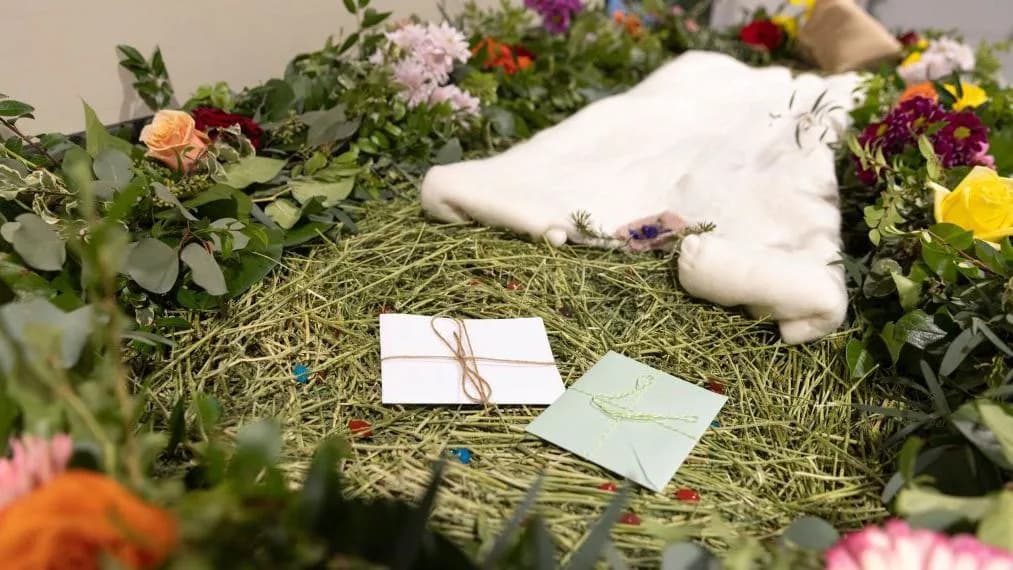
A demonstration human composting "vessel" decorated with compostable mementos on top of a bed of straw at a funeral home in the United States [Getty Images]
A Law Commission report has recommended that England and Wales should be able to approve and regulate new funeral methods such as human composting (terramation) and water cremation (alkaline hydrolysis) to help address shortages of burial space and offer greener alternatives.
Currently, the law in England and Wales formally recognises only three methods for disposing of human remains: burial, cremation and burial at sea. The commission proposes giving UK and Welsh ministers the power to approve and regulate emerging funerary methods using secondary legislation, avoiding the need for primary Acts of Parliament each time a new method appears.
What Are These Methods?
Water cremation (alkaline hydrolysis / resomation) involves placing the body, wrapped in a biodegradable shroud such as silk or wool, in a chamber of hot water and alkali. The process accelerates decomposition, leaving a sterile residue that can be returned to next of kin, similar to ashes from a conventional cremation. Scotland introduced this method in March, becoming the first UK nation to do so.
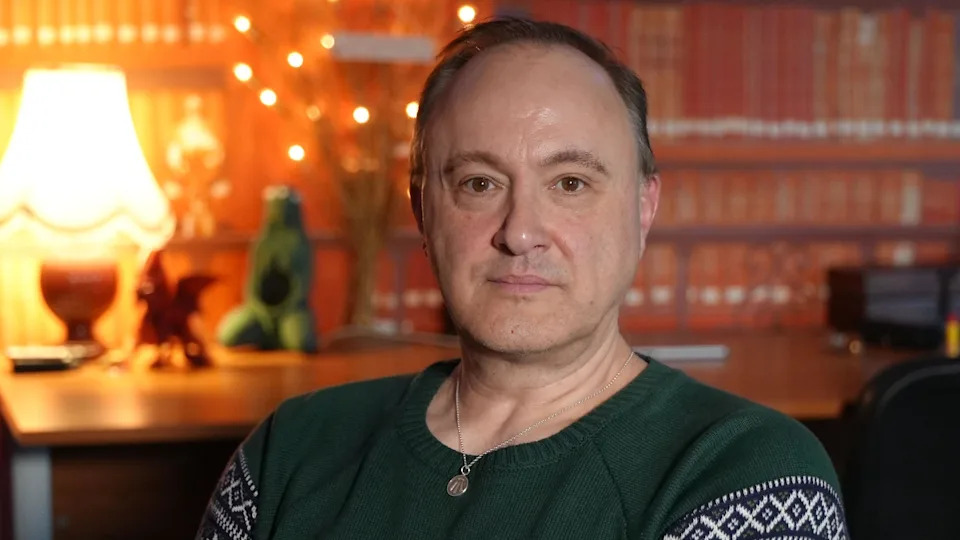
Kris Hughes says he would like his own body to undergo terramation when he dies [BBC]
Human composting (terramation) places a body in a purpose-built vessel with organic material such as wood chips and straw. Over several weeks microbes break the body down into nutrient-rich soil that can be returned to family members or used to nourish green spaces.
Voices and Evidence
Kristoffer Hughes, a broadcaster, author and leader of the Anglesey Druid Order, who spent three decades as a specialised mortuary technician, visited Return Home—one of the first large-scale human composting facilities near Seattle—to study the process. He said the practice offers an ecological and spiritually meaningful alternative to cremation and burial.
"Cremation produces significant carbon emissions and traditional burial takes up land and resources. Human composting gives us another option—one that's deeply ecological and spiritually meaningful. At the end of the process, you become soil that can grow forests, feed gardens, and nurture new life," Hughes said.
Recommendations and Safeguards
The Law Commission recommends a clear, future-proof legal framework that allows ministers to respond as new methods emerge. It emphasises that governments should consider environmental protection alongside public health, public safety and the need to treat human remains with dignity. The report also calls for a robust oversight regime that includes facility inspections and compliance monitoring.
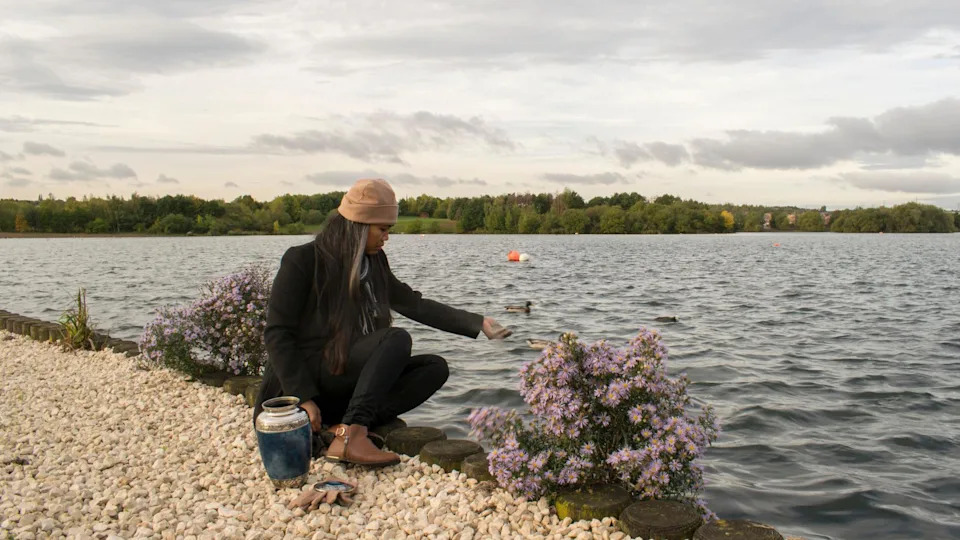
Human composting and water cremation are being considered as an alternative to cremation and burial in England and Wales [Getty Images]
Professor Alison Young, Commissioner for Public Law: "Everyone deserves the right to have their wishes respected after death, and those who love them deserve confidence that the law will protect that. Our recommendations create a clear, future-proof legal framework that gives government the tools to approve new options safely, with proper oversight and without affecting existing choices."
The report stresses that none of the recommendations would force anyone to use a particular method, protecting religious and cultural practices.
Industry Reaction and Next Steps
The National Society of Allied and Independent Funeral Directors (SAIF) welcomed the proposals, describing a "significant cultural shift" toward greener, personalised farewells. SAIF chief executive Terry Tennens said clearer regulation would give businesses the confidence to invest and ensure families can choose new options safely.
A Ministry of Justice spokesperson said the government will carefully consider the Law Commission's recommendations before responding in due course.
Earlier this year the commission also suggested modernising century-old laws to allow graves older than 100 years to be reused in England and Wales, while ensuring protections for war graves.
Help us improve.