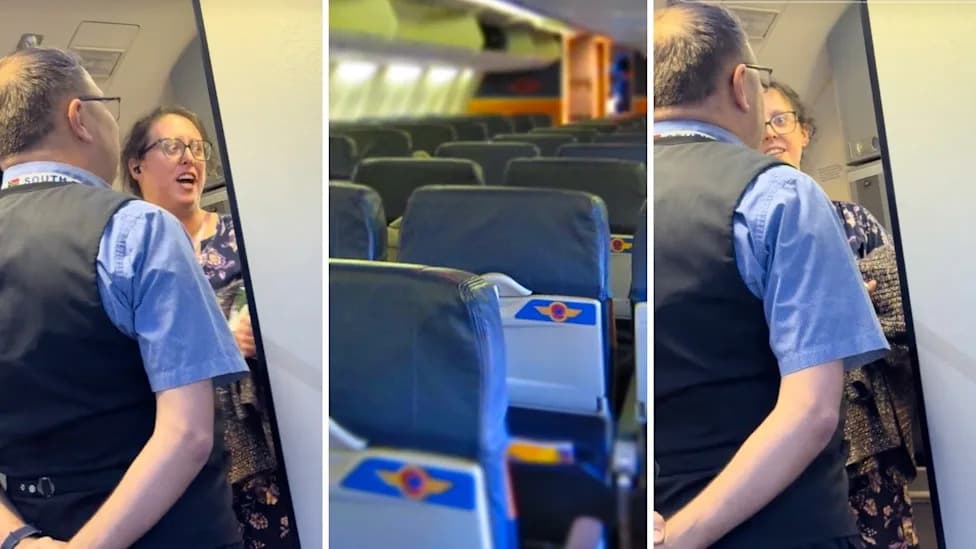
The Entwistle family say they notified British Airways that their 13-year-old son Mason has Tourette syndrome and may involuntarily blurt the word "bomb," yet they were denied boarding at London Gatwick and escorted off the flight by armed officers. The family had documentation and assistance through security, but were held on the jet bridge for about 40 minutes before being removed. British Airways called the situation "extremely difficult, complex and distressing" and said the group was not allowed to travel because of multiple factors. The family later flew on another carrier, where the captain explained Mason's condition to passengers.
Family Says 13-Year-Old With Tourette Syndrome Was Denied Boarding After He Repeatedly Shouted 'Bomb'
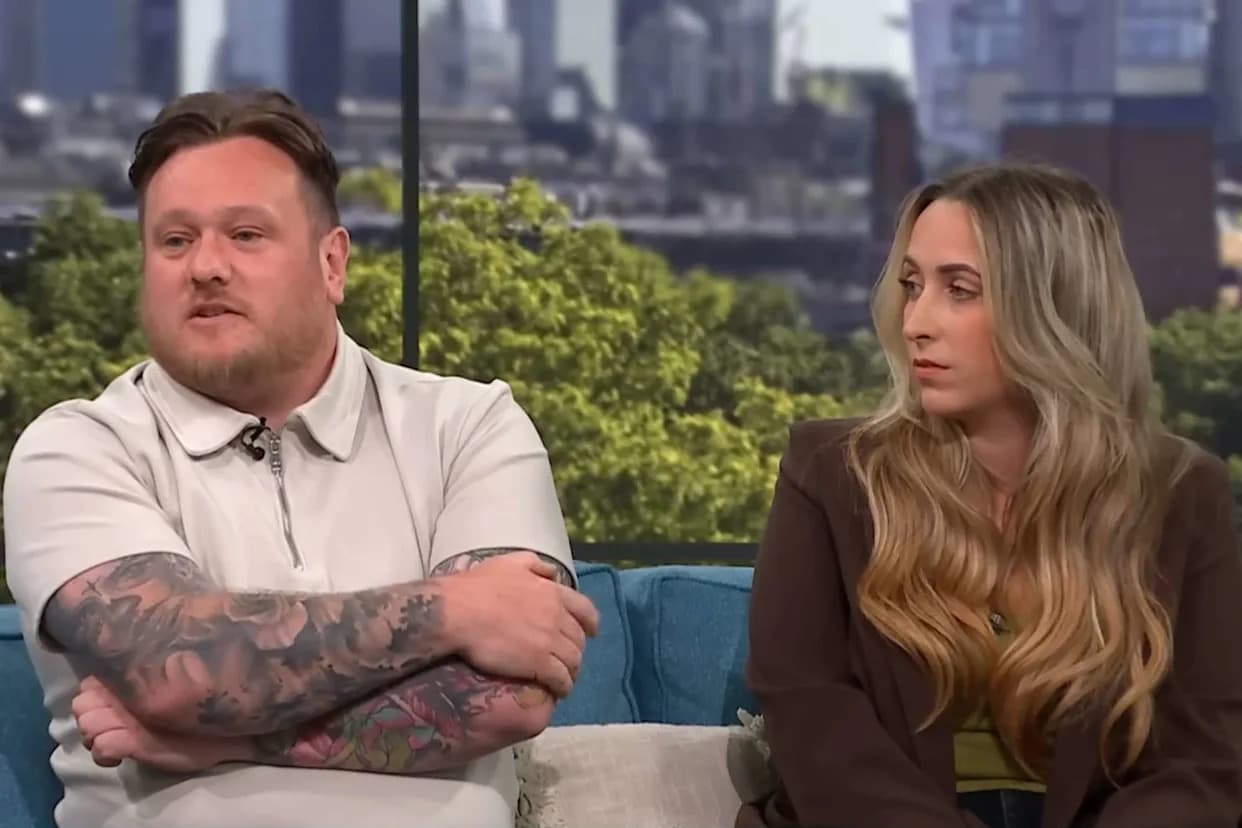
Martyn and Gemma Entwistle claim their family was not allowed on a flight due to son's Tourette ticsCredit: This Morning/YouTube
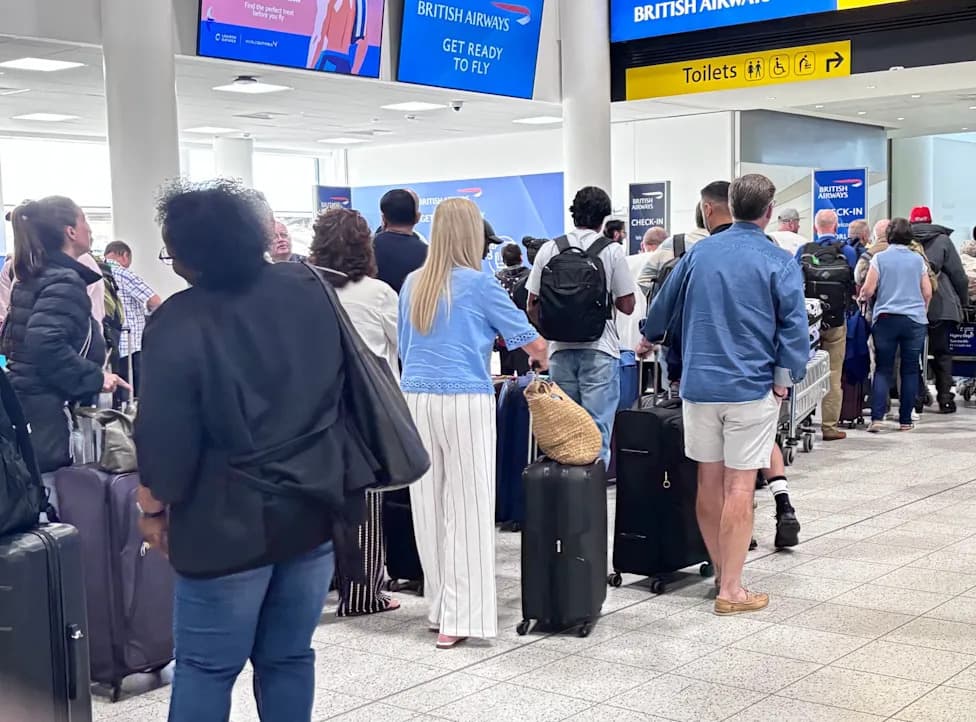
A British family says they informed British Airways in advance that their 13-year-old son, Mason Entwistle, has Tourette syndrome and a known tendency to blurt the word "bomb," but were prevented from boarding a flight from London Gatwick to Alicante, Spain.
Martyn and Gemma Entwistle told ITV's This Morning on June 3 that they had explained Mason's condition in detail when booking and again by phone. Gemma said the airline representative reassured them: "No problem. It will be noted and you just go to assistance and you'll be fine." The family says they brought a diagnosis letter and other documentation to the airport.
According to the Entwistles, airport assistance supported them through security and toward the gate and were "fantastic" until the boarding area. Mason reportedly vocalised the word "bomb" multiple times while passing through security and later at the gate; security staff at that stage were allegedly aware of his Tourette's and did not object.
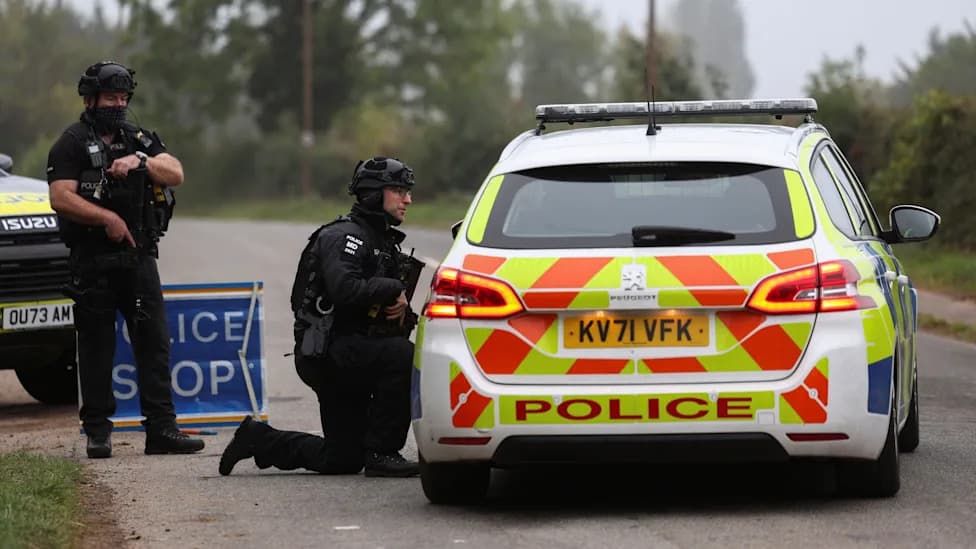
At the jet bridge, the family says they were led aside and then left waiting for about 40 minutes while staff said the captain wanted to speak to them. Martyn Entwistle says the captain never appeared and that three armed officers eventually arrived to remove them from the flight. The family was reportedly told they could not fly "due to being a bomb threat." Their daughter and her friends were allowed to board without issue.
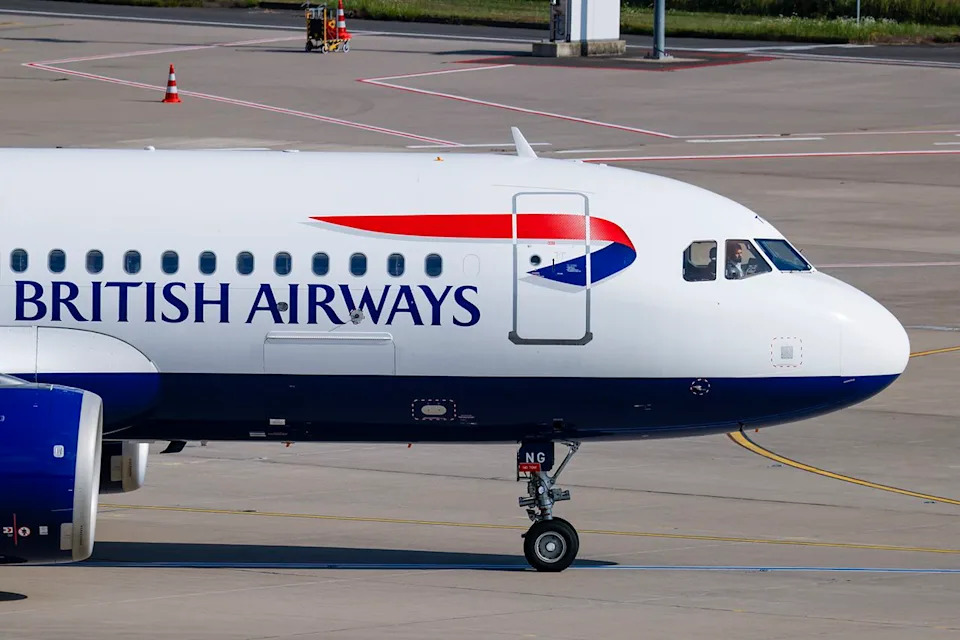
Stock image of a British Airways planeCredit: Thomas Banneyer/picture alliance via Getty
British Airways said in a statement to PEOPLE: "This was an extremely difficult, complex and distressing situation. Due to a number of contributing factors, the decision was made not to allow the group to travel on the flight."
The Entwistles say Mason was left distraught—"crying his eyes out on the floor," according to his father—and that staff showed little empathy or welfare support before escorting the family away. Attempts to seek clarification from the airline resulted, the family says, in "generic emails" and no formal apology.
Context: Tourette Syndrome and Misunderstanding
Tourette syndrome is a neurological disorder characterized by involuntary physical and vocal tics. Vocal tics usually take the form of sounds such as grunting, throat clearing or coughing, though a minority of people with Tourette's—roughly 10–15%—may experience coprolalia, involuntary utterances of inappropriate words or phrases. Advocacy groups warn that media portrayals often exaggerate this symptom and contribute to misunderstanding and stigma.
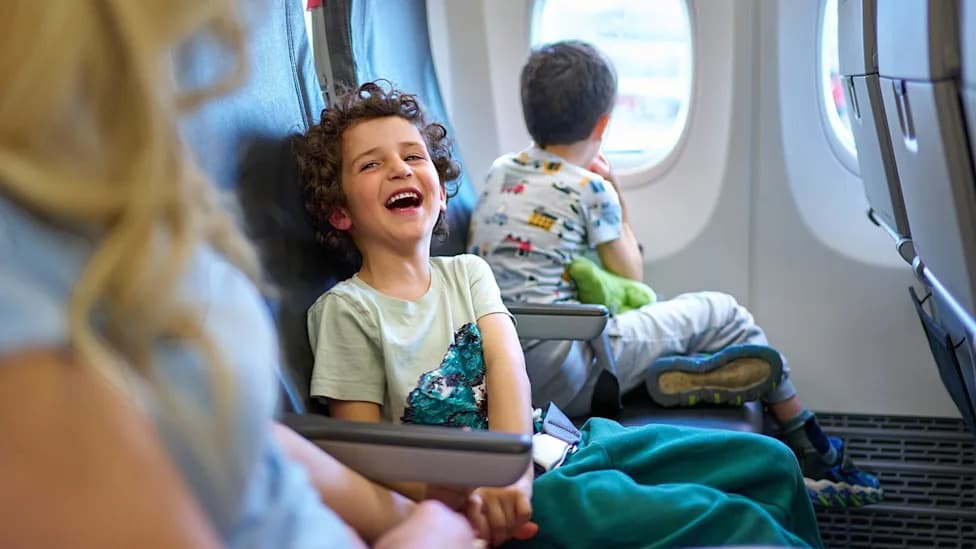
The family later completed their holiday on another airline, where the captain made an on-board announcement explaining Mason's condition—a small accommodation the Entwistles say shows how the first situation might have been handled differently with communication and training.
What This Means
The incident highlights tensions between security protocols and the need for disability awareness and reasonable accommodations. Advocates say clearer guidance and staff training on neurodiversity could prevent traumatic outcomes for travelers with neurological differences while maintaining safety.
Help us improve.