The Festival of Hope in Madrid on 30–31 May, led by Franklin Graham, attracted around 18,700 attendees and highlighted a rapid rise in evangelical visibility across Spain. Observatorio del Pluralismo Religioso reported 4,763 evangelical places of worship in September 2025, up markedly from 2,944 in 2011, with Catalonia and Madrid among the regions with the most churches. Analysts point to Latin American immigration and the social support role of congregations as key drivers, while large, music-led events and digital outreach are boosting public presence.
Franklin Graham Draws Nearly 19,000 to Madrid as Evangelical Presence Surges Ahead of Papal Visit
Trump's 'pastor' highlights evangelical surge in Spain in Madrid days before papal visit
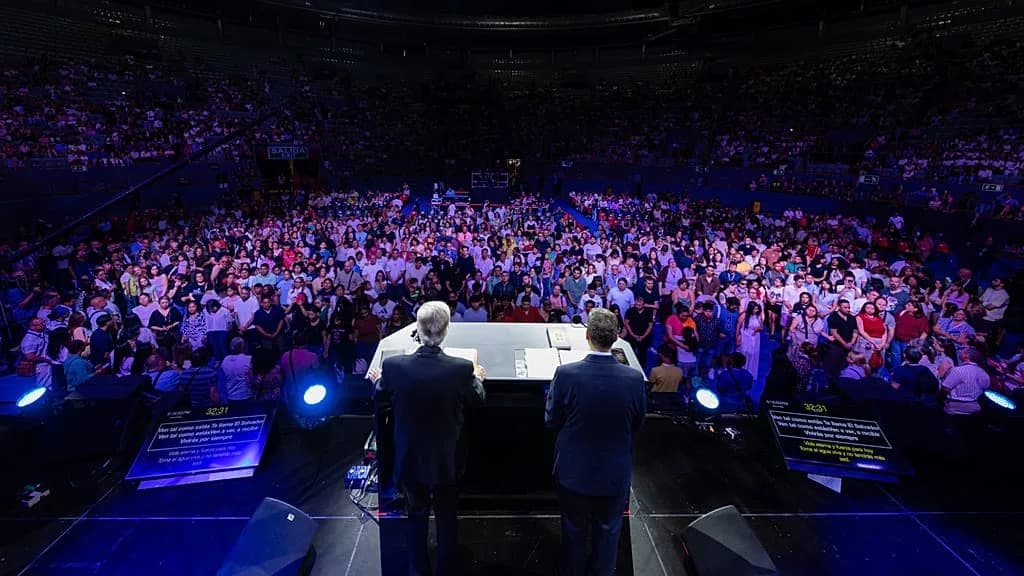
For stretches during the Festival of Hope, Madrid’s Palacio Vistalegre felt more like a concert arena than a traditional church meeting: thousands sang, raised their hands and followed the programme from the stands. On stage was Franklin Graham — son of legendary evangelist Billy Graham, president of the Billy Graham Evangelistic Association, and a figure often described in media coverage as an ally of former US President Donald Trump.
The two-day Festival of Hope, held on 30–31 May, drew large crowds and underscored a wider trend reshaping Spain’s religious landscape: a rapid expansion and heightened public visibility of evangelical churches.
Attendance, Organising Effort and Numbers
Organisers — and Graham himself, sometimes dubbed the "Trump pastor" by commentators — reported 12,600 people on the festival’s first day and said roughly 2,000 were turned away because the venue reached capacity. The Billy Graham Evangelistic Association later put total weekend attendance at 18,700.

President Donald Trump speaks with Reverend Franklin Graham during a dinner in the Blue Room of the White House in Washington, Wednesday 16 April 2025.- Pool vía AP
The gathering was planned over 18 months and mobilised about 840 churches across the Madrid region from different evangelical denominations. Organisers also reported that nearly 9,800 people took part in training and outreach activities in the months leading up to the event.
Longer-Term Growth
Data from the Observatorio del Pluralismo Religioso en España show that Spain had 4,763 evangelical places of worship as of September 2025 — up from 4,455 a year earlier and markedly higher than the 2,944 counted in 2011. Regional totals cited by the observatory include Catalonia with 1,010 evangelical churches, Madrid with 855, Andalusia with 744 and the Valencia region with 510.
Although the Catholic Church remains the largest faith institution in Spain, with 22,922 registered places of worship, evangelical congregations now account for more than half of all non-Catholic religious centres. The Madrid region has seen particularly pronounced growth, rising from roughly 662 evangelical churches to 855 in under a decade.
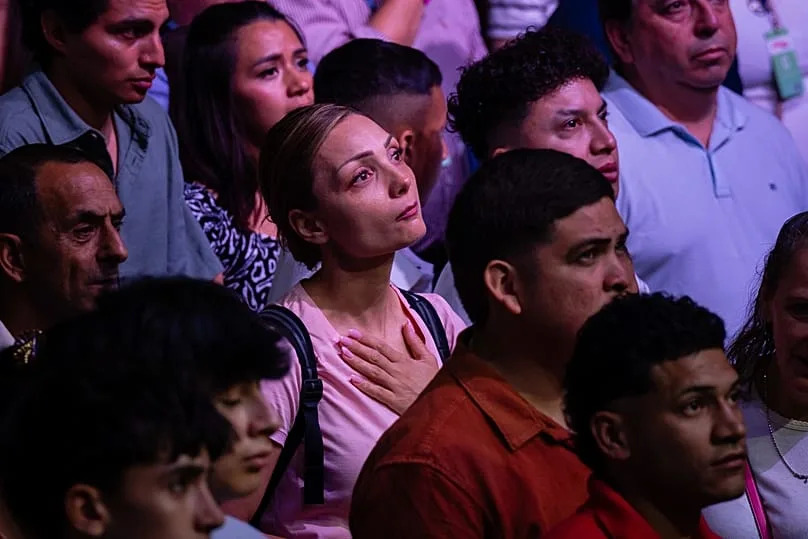
Festival of Hope in Madrid, 31 May 2026.- @Franklin_Graham / X
Drivers Of Expansion
Analysts and evangelical organisations point to several factors behind this expansion. Migration from Latin America is repeatedly cited as a key driver: Spain’s population gains in recent years have been fuelled largely by foreign-born residents, notably growing Colombian and Venezuelan communities. Many migrants come from countries — including Colombia, Venezuela, Honduras, Guatemala, Brazil and the Dominican Republic — where evangelical and Pentecostal movements have long been strong.
Beyond worship, congregations often provide practical support: meeting points, community networks, guidance and a family-like environment that can help newcomers integrate and find work and social ties. That social function is frequently highlighted as a reason for evangelical growth.
Visibility And Public Presence
The expansion is also visible outside church buildings. Evangelical groups report growing presence in universities, neighbourhood associations, media outlets, public events and social networks. Large-scale events now reach tens of thousands: organisers of The Change Madrid said their gathering at the Metropolitano stadium drew around 35,000 people and featured international preachers and testimonies, including from former footballer Dani Alves.
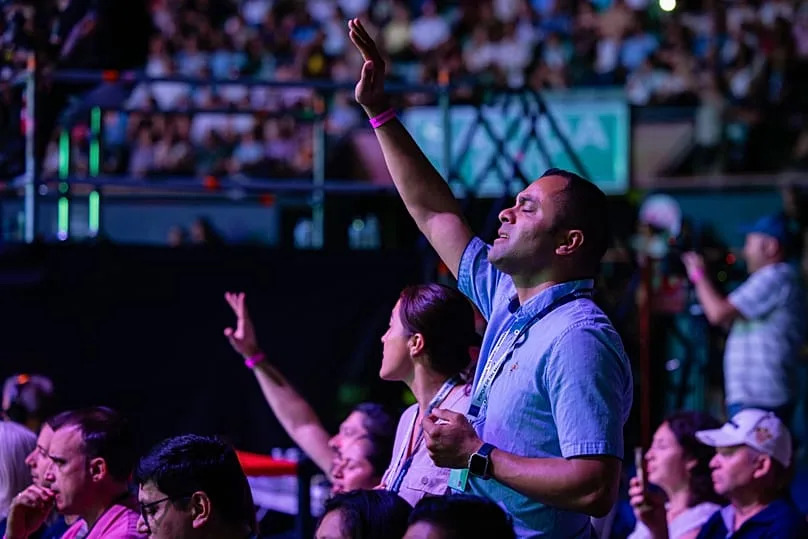
Festival of Hope in Madrid, 31 May 2026.- @Franklin_Graham / X
Organisers have increasingly adopted event formats that combine live music, audiovisual production, digital streaming and personal testimonies — a mix of emotion and spectacle that has helped raise the movement’s public profile and draw broader audiences.
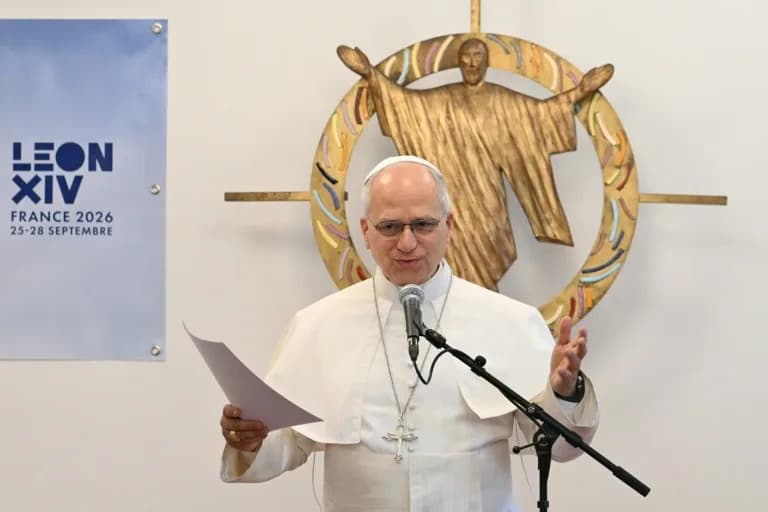
Context: These latest gatherings coincided with the days ahead of the arrival of Pope Leo XIV to Spain, highlighting a changing religious map even as the Catholic Church remains the majority institution.
The thousands gathered at Vistalegre offered a vivid snapshot of a quieter, long-term transformation unfolding across Spanish neighbourhoods and cities.
Note: This text was translated with the help of artificial intelligence.
Help us improve.