Lab tests show that oxidation of tire-wear particles produces a complex mix of byproducts that can rapidly damage human immune cells. While 6PPD-quinone — a compound linked to salmon die-offs in the Pacific Northwest — was not especially toxic on its own in these tests, the mixture of oxidation products proved harmful. The study highlights the need for broader monitoring of tire-derived airborne pollutants and further research into real-world human exposures.
Tire Pollution May Threaten Human Health, Lab Study Warns

Pexels
New laboratory research suggests tiny rubber particles shed from vehicle tires — long recognized as a threat to wildlife — may also pose risks to human health when they are oxidized in the air.
What Researchers Did
Scientists examined how tire-wear particles and the chemicals they produce after reacting with ozone affect human immune cells. The team tested a complex mixture of oxidation products derived from tire wear and, separately, the compound 6PPD-quinone, a known toxic byproduct formed when the tire additive 6PPD reacts with ozone.
Key Findings
The complex mixture of tire-derived pollutants caused rapid death and other damage in cultured human immune cells, according to the paper published in Environment International. By contrast, 6PPD-quinone alone did not produce the same level of harm in these cell-based tests. The results indicate that focusing on a single compound can substantially underestimate the potential hazards posed by the many transformation products created when tire chemicals oxidize in the atmosphere.
Lead and coauthors noted: the chemical cocktail produced by oxidizing tire compounds can be far more complex and potentially harmful than individual chemicals tested in isolation.
Context And Caution
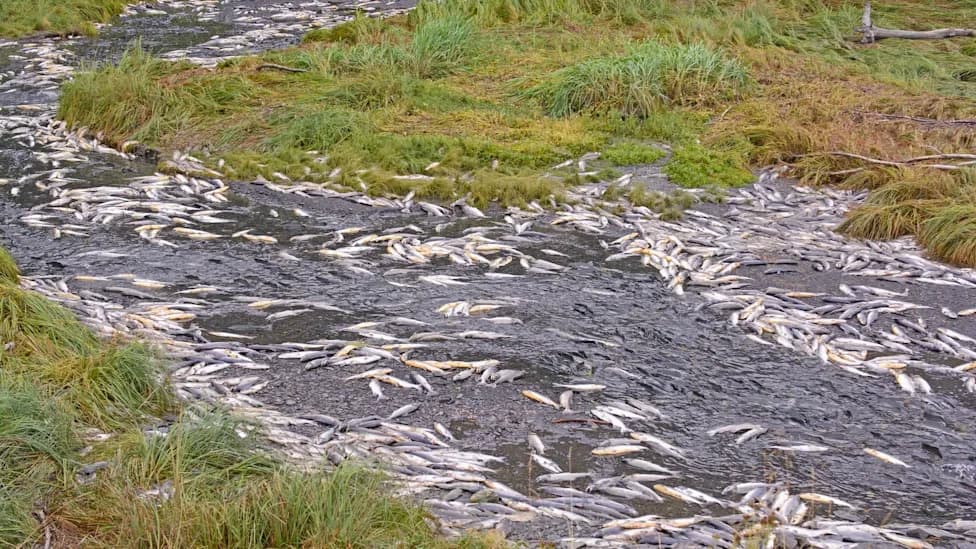
Previous research linked 6PPD-quinone to mass die-offs of spawning coho salmon in the Pacific Northwest after stormwater runoff carried tire-derived pollutants into urban waterways. This new study adds a possible human-health dimension by showing effects on immune cells in the lab. However, these are in vitro results: they do not by themselves prove that everyday air exposures cause the same effects in people. Real-world risk depends on exposure levels, particle concentrations, and how chemicals behave in the body.
Implications
Researchers call for broader monitoring of tire-wear chemicals in air and stormwater, more studies that examine complex mixtures rather than single molecules, and investigation of actual human exposures. The findings underscore the need to evaluate how traffic-generated particles and their oxidation products might contribute to air-pollution health impacts.
Journal: Environment International
Help us improve.