
NASA researchers analyzed hematite crystallites from 20 samples across elevations in Gale Crater and found that crystal shapes and internal structures record formation temperature and water pressure. The study indicates deeper, buried rocks experienced prolonged warm, wet conditions even as the surface cooled, potentially lengthening windows for habitability. Images also reveal ancient rivers and lakes that later transformed into dry dunes.
Buried Warmth: Hematite Crystals Suggest Mars Stayed Warm and Wet Longer
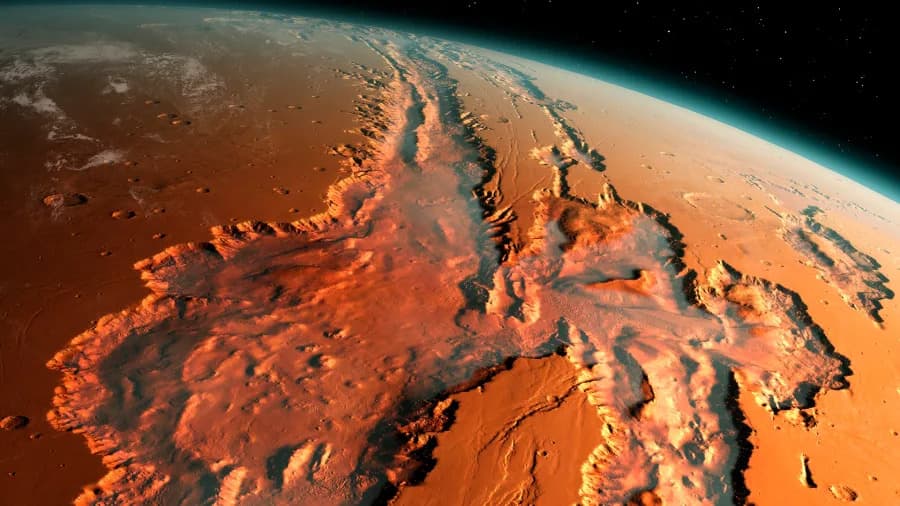
NASA study reveals ancient Mars may have stayed warm and wet longer
NASA researchers are refining their picture of ancient Martian climate by studying tiny crystal features preserved in the iron oxide mineral hematite.
What the team found: New analyses show that the shape and internal structure of hematite crystallites record the temperature and water pressure present when they formed — reliable mineral markers of past water activity.
NASA examined 20 samples taken from a range of elevations in Gale Crater, whose layered walls preserve a long record of environmental change. The study found that deeper, buried layers show evidence of prolonged warm, wet conditions beneath the surface even as the planet’s surface climate cooled.
“What we found was that warm and wet conditions were present for extended periods in buried rocks, despite Mars’ climate becoming colder,” NASA researcher Tanya Peretyazhko said. “Those prolonged conditions may have extended windows of potential habitability beyond earlier estimates.”
Peretyazhko noted a clear contrast between subsurface and surface environments: crystallites in upper layers remained small because they lacked sustained water and time to grow, while lower layers contain larger crystallites consistent with long-standing warm groundwater.
Images from NASA missions also show remnants of ancient rivers and lakes in Gale Crater that later gave way to dry dunes, supporting a picture of a planet that became drier at the surface while subsurface environments remained habitable for longer.
Implications: These mineralogical markers provide a more detailed timeline of environmental change on early Mars and suggest subsurface habitats could have been stable enough, and long-lived enough, to increase the chances for past microbial life. Further rover investigations and analyses of returned samples will help test and refine these conclusions.
Help us improve.





















