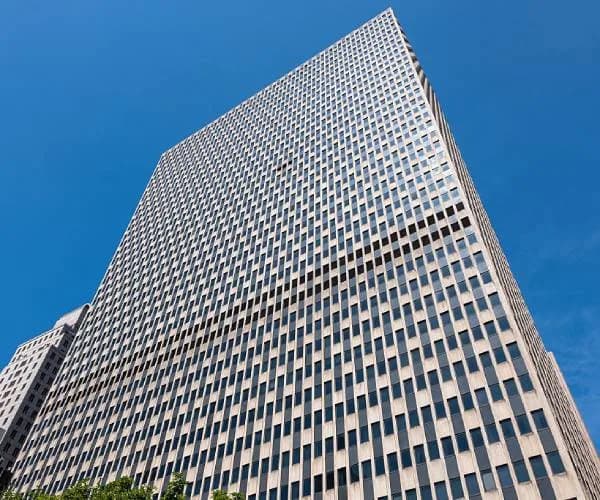
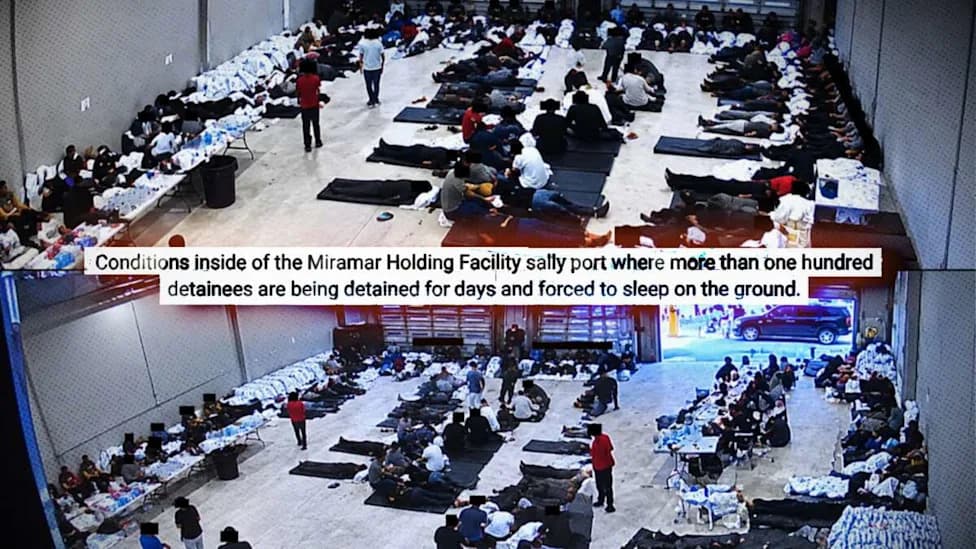
Newly released ICE emails, texts and officer testimony reveal repeated internal warnings about severe overcrowding, medical emergencies and unsanitary conditions in a makeshift detention area on the 10th floor of 26 Federal Plaza in Manhattan. Detainees described sleeping on concrete with only emergency blankets, inadequate food, and lack of access to essential medications despite guidance limiting holds to 12 hours. Judge Lewis Kaplan ordered space limits and improvements, but internal messages indicate the restrictions were quickly violated. Lawyers contend the crisis was a foreseeable result of intensified arrest practices.
‘Insane,’ ‘Gross,’ ‘Unsafe’: Internal ICE Messages Expose Overcrowding and Health Risks at Manhattan Lockup
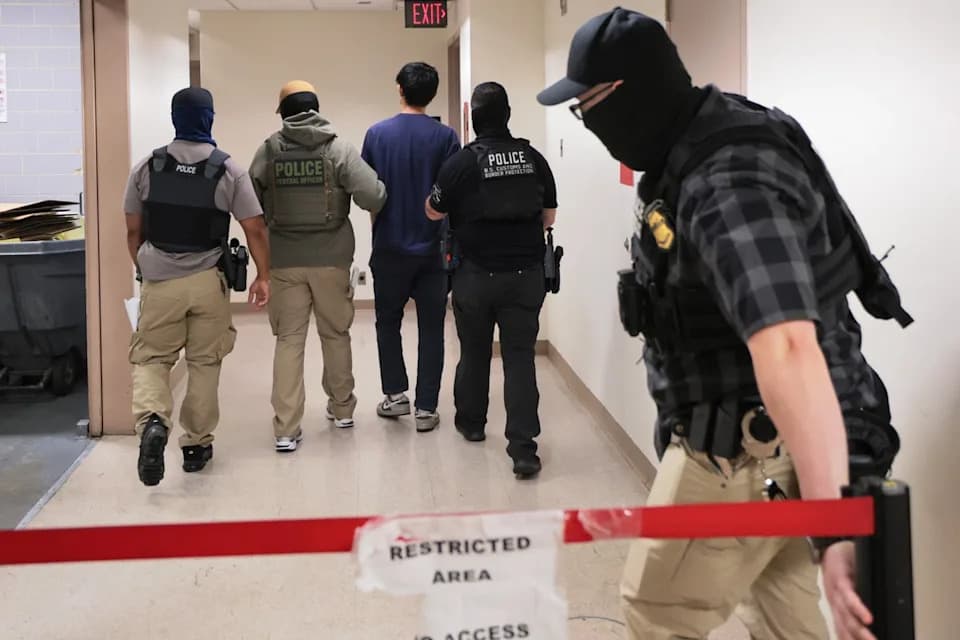
Emails, text messages and testimony in a lawsuit over conditions at a makeshift detention center inside a Manhattan skyscraper appear to show ICE officials feared conditions were deteriorating while repeatedly raising red flags to their colleagues in 2025 (Getty)
Last summer, federal agents repeatedly detained immigrants immediately after their court appearances and corralled as many as 100 people at a time into an improvised holding area on the 10th floor of 26 Federal Plaza in Manhattan. Newly released internal emails, text messages and testimony from Immigration and Customs Enforcement (ICE) officers paint a starkly different picture than official denials of overcrowding.
Officers Raised Repeated Warnings
ICE staff described conditions as "insane," "gross" and "creating an unsafe environment," and warned about growing medical crises. One official reported at least 200 people in custody on the floor, with roughly 60 additional arrests each day. "Hopefully we don’t wait until something negative happens," wrote Lige Hampton in an internal message.
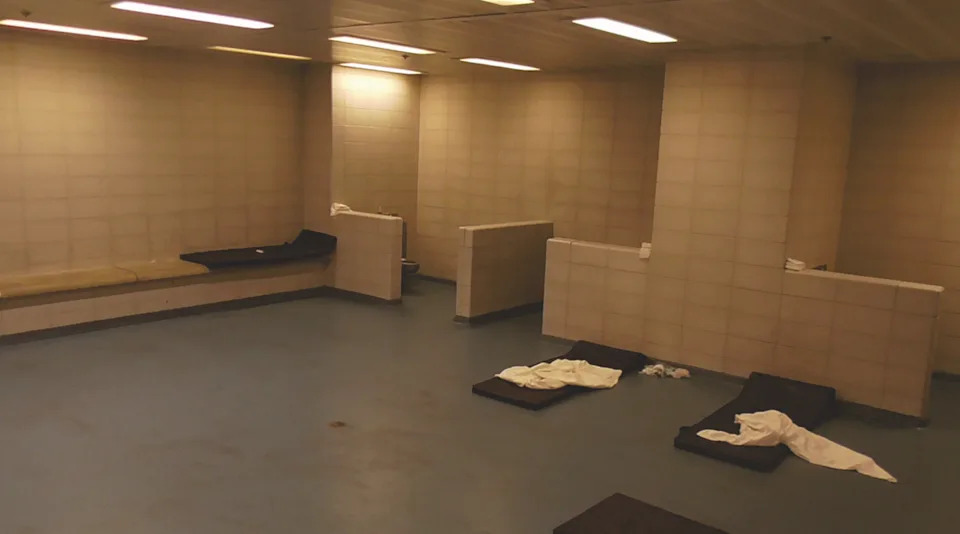
ICE sought to prevent the release of images showing the inside of a holding cell in downtown Manhattan, where detainees were crammed into a makeshift detention space after a surge of arrests in 2025 (United States District Court for the Southern District of New York)
Conditions Outside Policy And Guidance
The 10th floor contains a few short-term holding cells that ICE guidance says should not be used for more than 12 hours. In practice, detainees testified they spent days or even weeks there. The rooms lack beds and showers; video evidence showed people lying on concrete with only emergency blankets and toilets separated by only a waist-high partition.
Medical And Sanitary Concerns
Internal messages recount multiple medical incidents, including reports of monkeypox, seizures and a person referred to as "cardiac lady." Staff complained of contagious illnesses and shortages of medication. Detainees reported inadequate food, inability to access chronic medications such as insulin, menstrual bleeding without adequate supplies, and foul conditions described as the "horrific stench" of sweat, urine and feces.
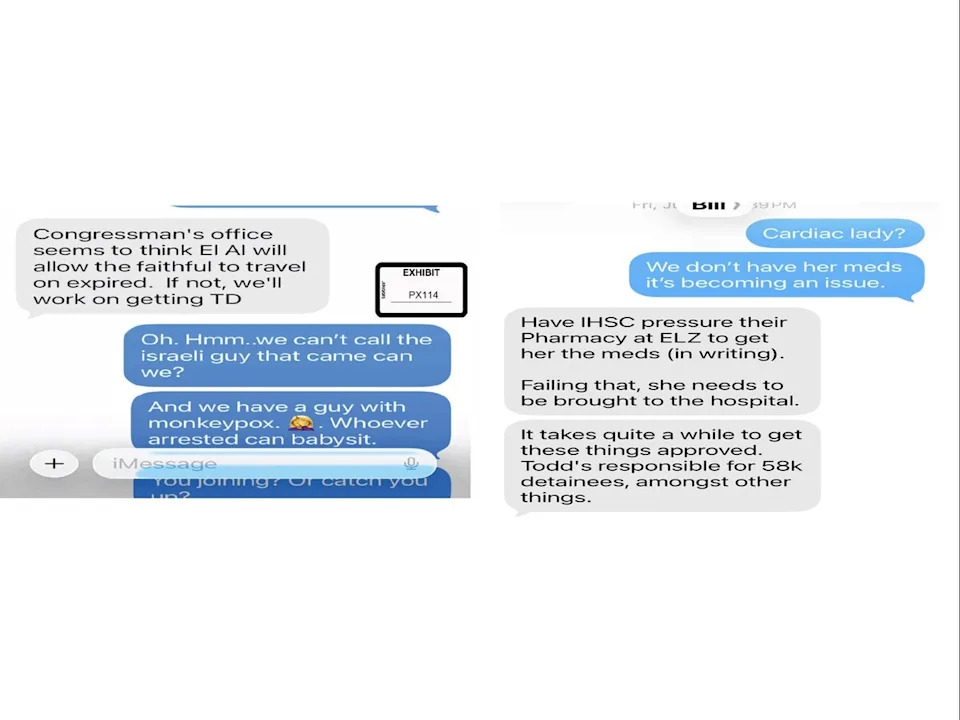
Text messages among ICE officials revealed in court documents appear to show concerns about overcrowding and urgent medical issues inside 26 Federal Plaza in 2025 (United States District Court for the Southern District of New York)
"We are in violation of the [temporary restraining order]," wrote Nancy Zanello of ICE’s New York Enforcement and Removal Operations after a judge ordered limits on space per detainee. Another official described the court order as "crippling," while lawyers say ICE violated the order within days.
Court Actions And Wider Context
In August, Judge Lewis Kaplan ordered improvements and barred ICE from detaining people in spaces with less than 50 square feet per person — a limit that reduces the largest hold room’s capacity to roughly a dozen people. Following a recent one-day trial over conditions, a federal judge even raised the possibility of shutting the facility down.
The documents were produced as part of litigation challenging ICE detentions amid an intensified enforcement effort tied to the Trump administration’s goal of increasing arrests and removals. Lawyers for detainees argue the overcrowding crisis was a predictable and foreseeable consequence of the agency’s policy choices.
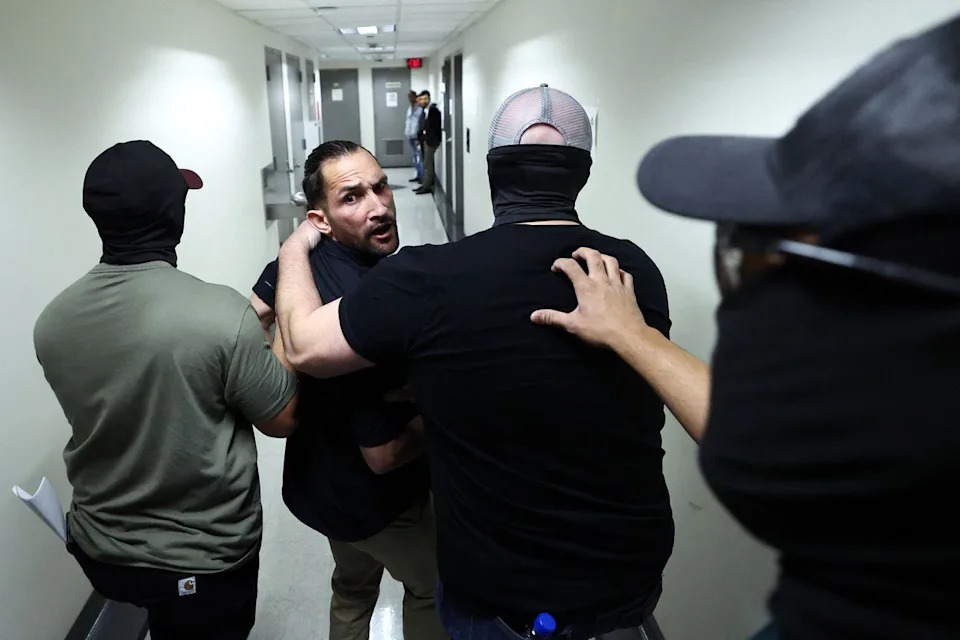
A federal judge has blocked ICE from arresting immigrants inside New York City’s immigration courthouses after a surge of arrests led to overcrowding in a makeshift holding room (AFP/Getty)
ICE Response
Homeland Security and ICE spokespeople have repeatedly denied that facilities are overcrowded or substandard, asserting that detainees receive meals, medical care and opportunities to contact family and counsel and that the agency has been seeking additional detention space.
Voices From Inside
In testimony, Nuvia Ventura Martinez said she was taken to the holding room after an ICE check-in and described conditions as "dreadful," with limited food and no access to diabetes medication. Carlos Lopez Benitez recounted that officers detained him after a hearing, mocked him with a photo of himself crying and told him, allegedly, "it's a new government." Others described being fed inedible food and lacking basic hygiene for extended periods.
The newly released internal messages and testimony have intensified scrutiny of ICE operations at Federal Plaza and raised broader questions about the agency's capacity to detain large numbers of people humanely and in compliance with court orders.
Help us improve.