Five previously unknown drawings by John Constable have been identified in Germany and authenticated by Constable scholar Anne Lyles. Dealer Alexander Clayton-Payne bought the five sheets for £5,000 after spotting them in a small German auction; each is now estimated at £10,000–£25,000. Dated mainly to 1813–1816, the sketches depict East Bergholt scenes and figure studies, and will be exhibited from 26 June during Classic Art London.
Five Previously Unknown John Constable Sketches Discovered in Germany Ahead of 250th Anniversary
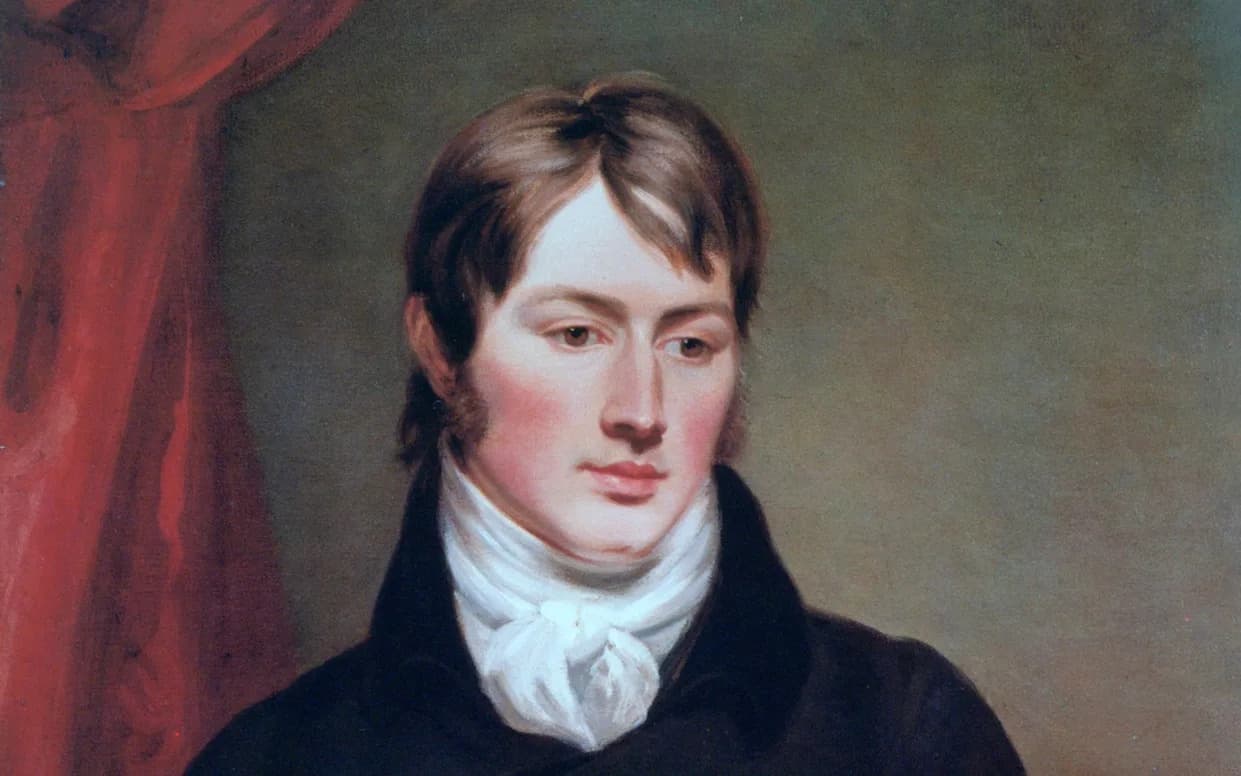
The sketches were drawn by John Constable in his home village of East Bergholt as he was about to enter his artistic prime - Print Collector/Art Media / Heritage Images
Five previously unrecorded drawings by John Constable have emerged from a private collection in Germany and will be exhibited publicly for the first time in June, ahead of the artist's 250th birthday.
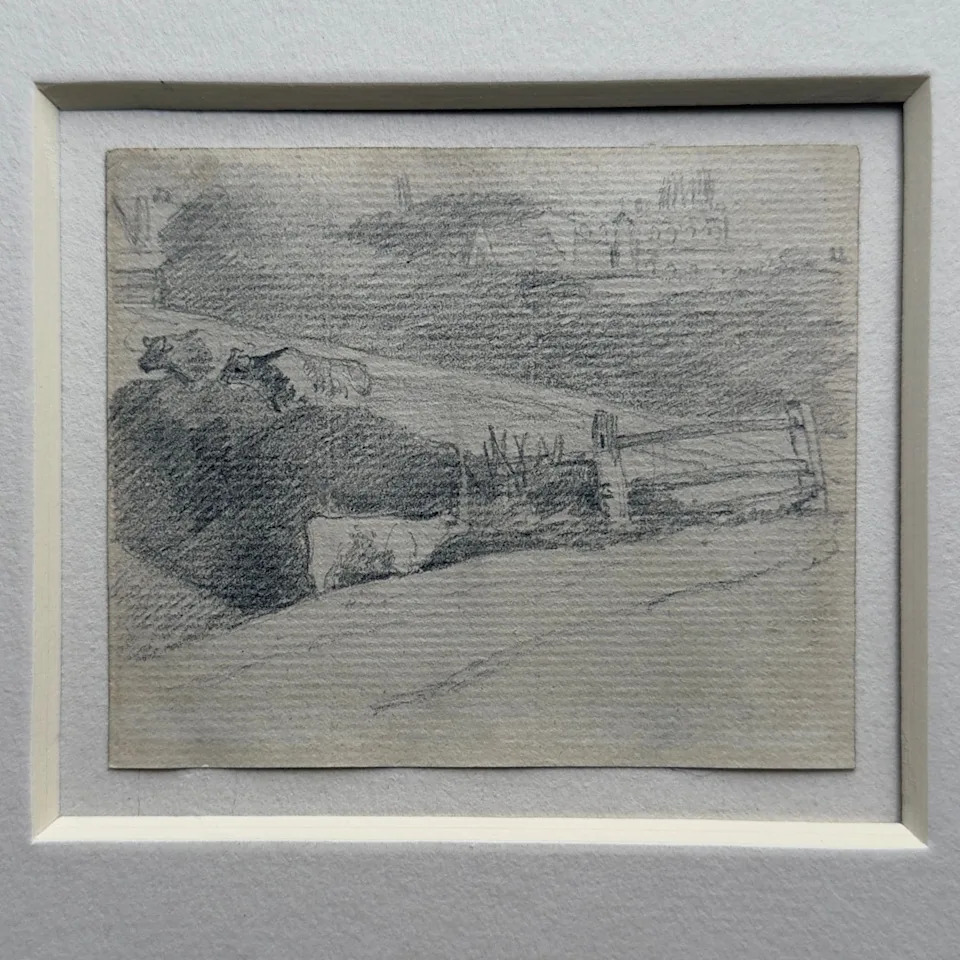
Cattle by a Field Gate, with East Bergholt Church in the Distance, one of five hitherto undoscovered sketches by Constablle
Discovery and Acquisition
British dealer Alexander Clayton-Payne, a specialist in British drawings and watercolours, spotted the sheets while searching international auction listings and recognised stylistic features typical of Constable. Believing the works were miscatalogued as 'circle of Constable,' he bought all five sheets as a job lot for £5,000—well above the auctioneer's top estimate of £1,700.
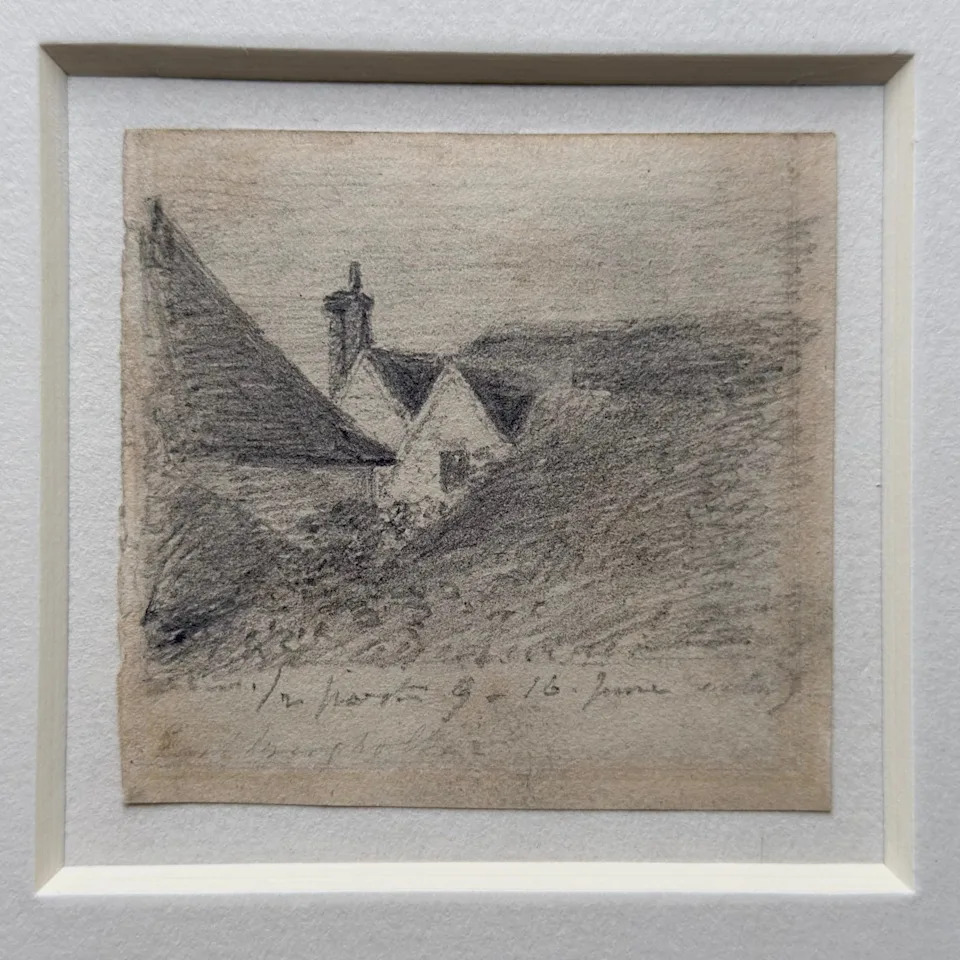
A Cottage Roof, is believed to have been sketched near Constable’s father’s house
Authentication and Value
Anne Lyles, a leading Constable authority who has curated exhibitions at the Tate and the Royal Academy, has authenticated the drawings as originals by Constable. Each sheet is now estimated at £10,000–£25,000.
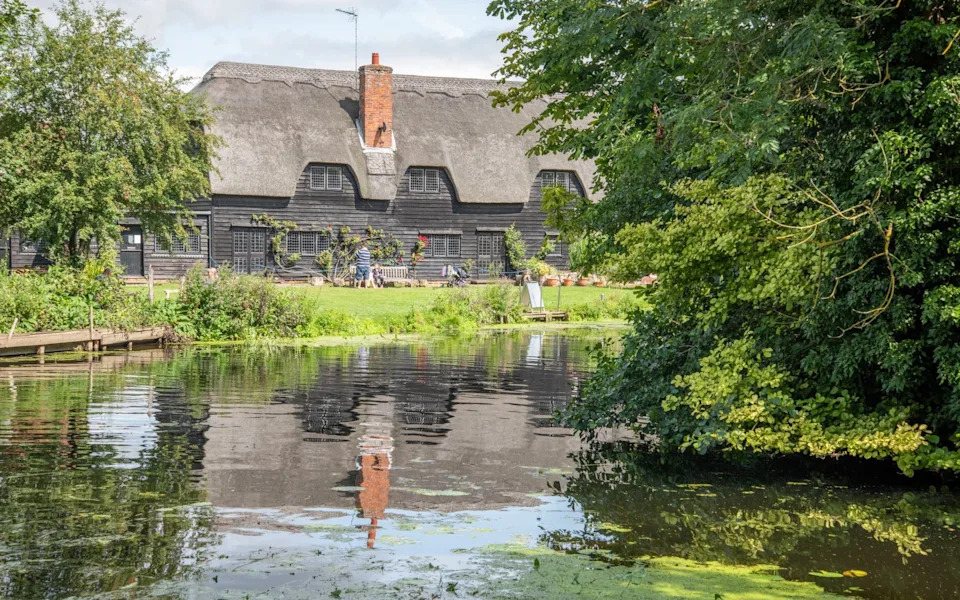
Flatford Mill in Suffolk, scene of John Constable’s masterpiece, The Hay Wain - Graham Custance Photography
'Any discovery of anything by Constable that wasn't known about before or hasn't been published before is a discovery,' Ms Lyles said, calling the drawings 'absolutely classic Constable.'
Subject Matter and Date
The sketches largely depict scenes in and around East Bergholt, Suffolk, where Constable was born on 11 June 1776 and spent his formative years. One sheet shows the fields behind his family home with cattle and the parish church in the distance; another focuses on a cottage roof. Several pages contain figure studies—two women who appear to be gleaners, a man at a window and other rural labourers. One sheet bears an additional sketch on its reverse of a hat-wearing man resting at a lock gate, a motif that anticipates Constable's later painting The Lock.
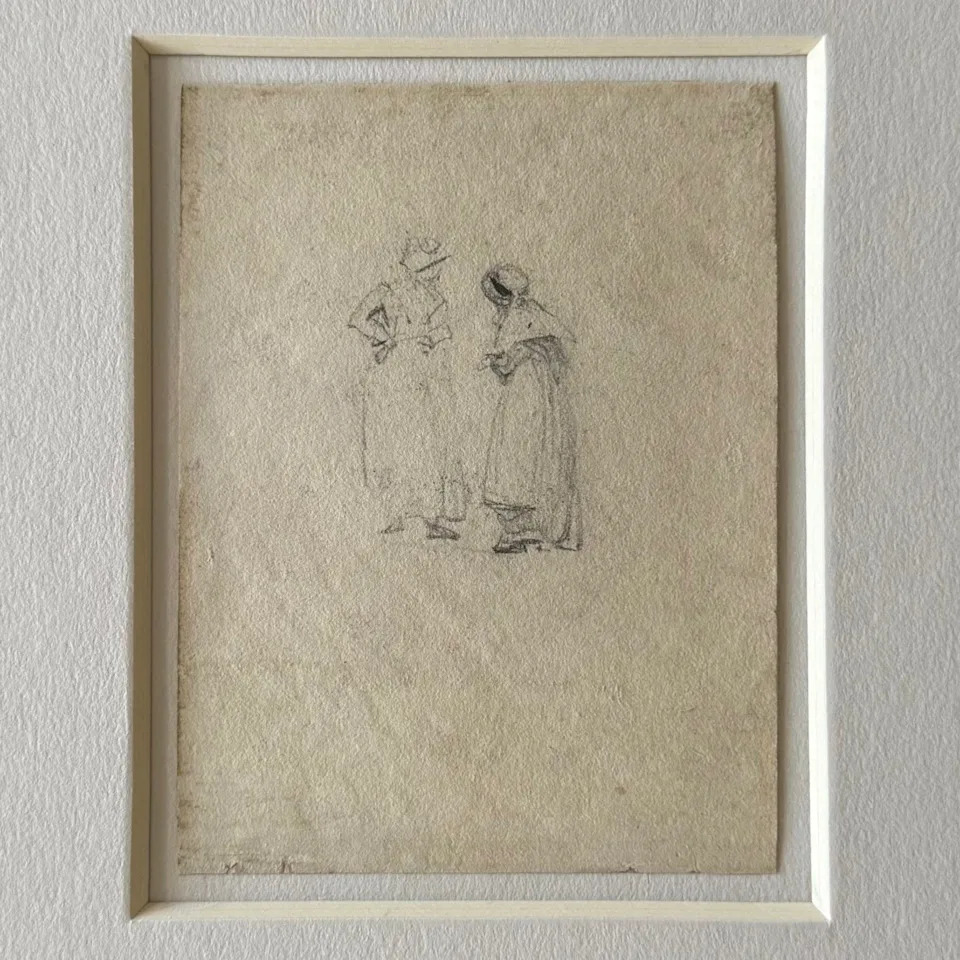
Another sketch of two women, believed to be gleaners, in conversation
Most of the drawings date from roughly 1813–1816, a pivotal period when Constable's pocket-sized sketchbooks began to reflect the freedom and immediacy of his plein-air oil sketches. Clayton-Payne notes that these sketchbooks served as idea reservoirs for his larger works and mark a significant artistic maturation.
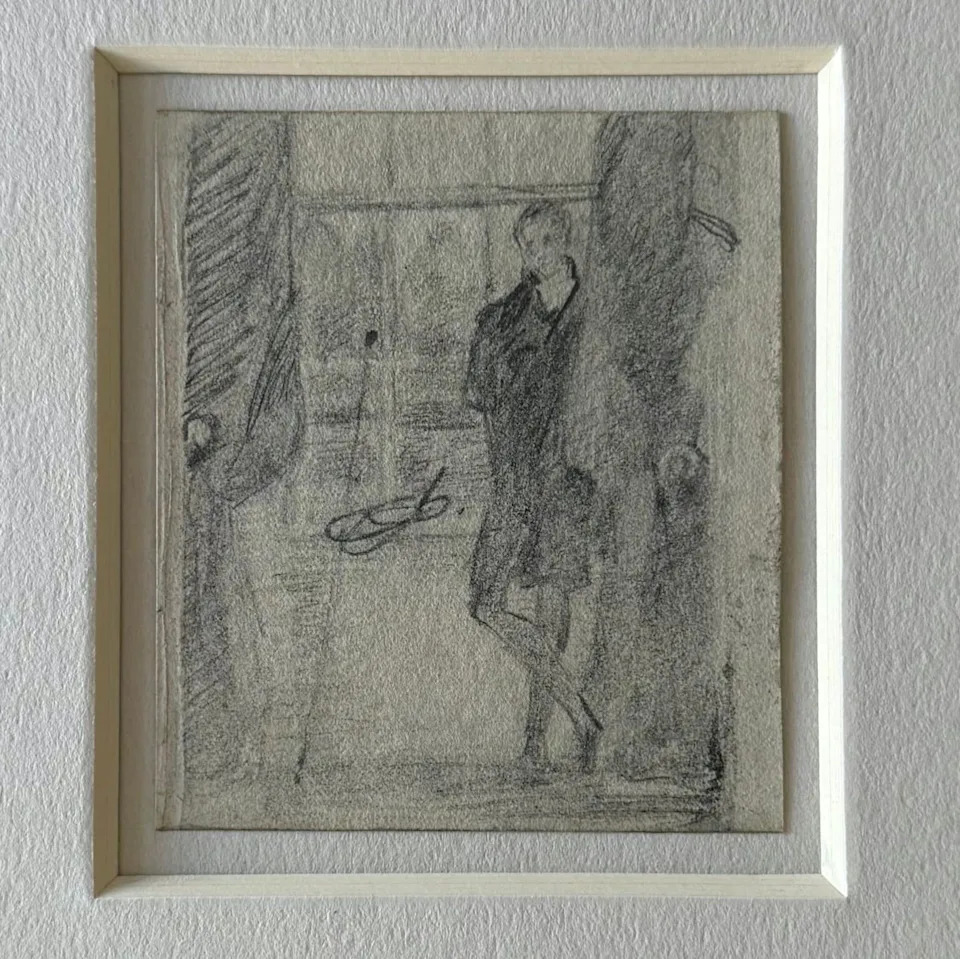
It is believed the sketches are worth between £5m000 and £25,000 each
Provenance and Significance
Why these sheets surfaced in Germany is unclear; Ms Lyles suggested they may have belonged to a British collector who subsequently relocated. Clayton-Payne also observed that the studies match the paper type and dimensions of a dismembered 1815 sketchbook, a detail of particular interest because only about a dozen drawings from that sketchbook have been identified previously.
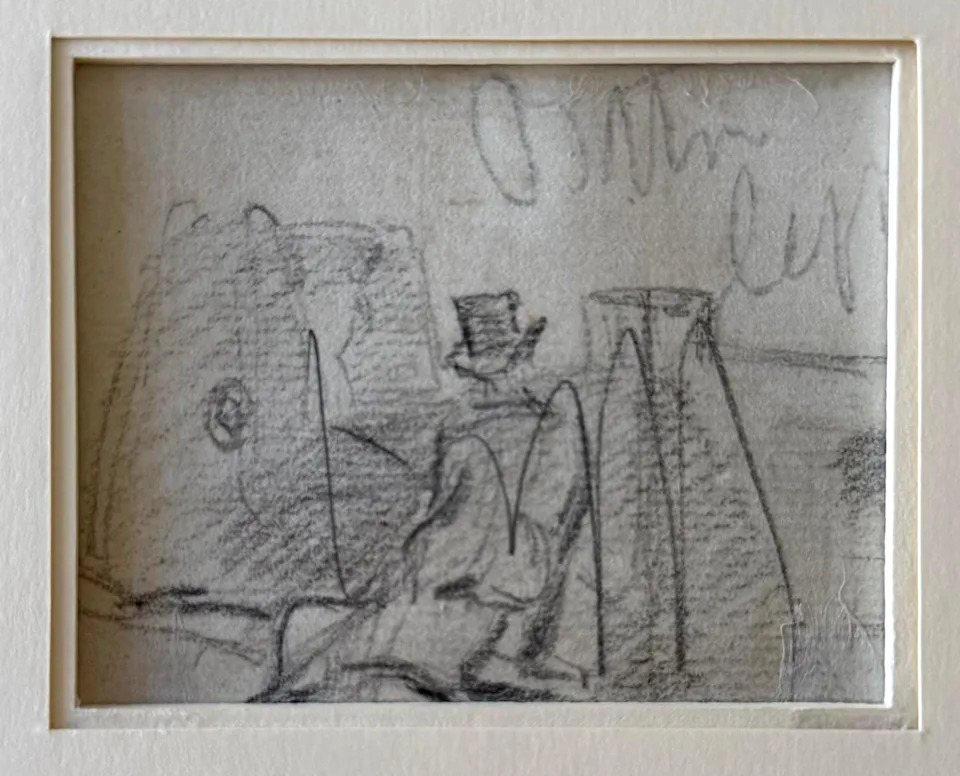
This drawing of a man sitting by a lock was sketched a few years before Constable painted his masterpiece, The Lock,
Exhibition and Events
The drawings will be shown from 26 June at Clayton-Payne's gallery on Duke Street, St James's, as part of Classic Art London (22 June–3 July). Christopher Baker, editor of The Burlington Magazine, will chair a panel titled Constable at 250 that will include Ms Lyles among the speakers.
Note: All facts in this piece are drawn from the reporting on the discovery and authentication; provenance beyond the recent private German ownership remains under investigation.
Help us improve.