
Authorities charged 70-year-old Albert L. Zigler with first-degree murder in the 1993 slaying of 34-year-old Randy Gail Sperino, whose body was found in a Granite City field. DNA recovered at the scene originally produced no CODIS match; the Texas forensic genealogy firm Othram recently identified a suspect. Investigators say they assembled additional evidence to support charges more than 30 years after the crime. The victim's son expressed shock and relief at the development.
Cold Case Breakthrough: 70-Year-Old Charged in 1993 Illinois Murder
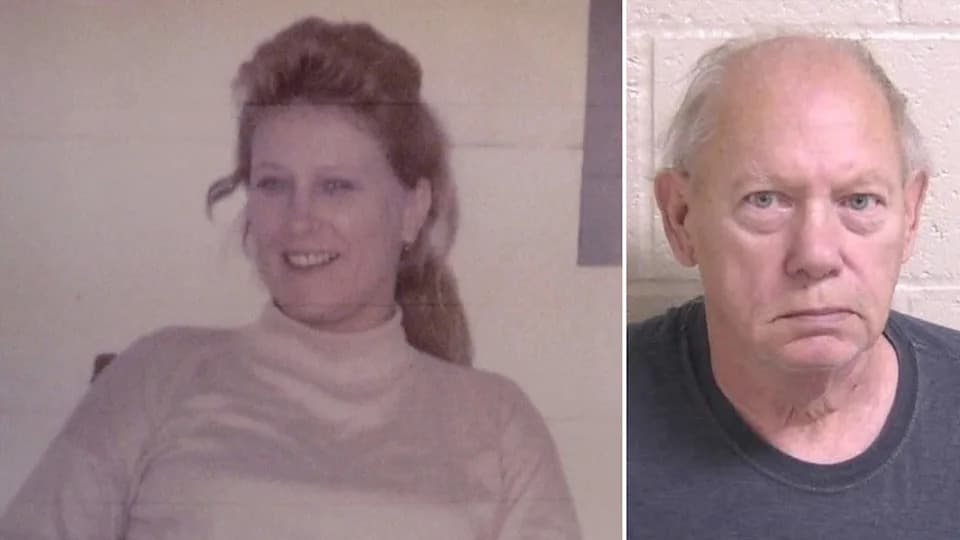
Albert Zigler is charged with first-degree murder in connection with the death of Randy Gail Sperino.(Fox News)
More than three decades after a young mother was found dead in a rural Illinois field, authorities have arrested a suspect in a case that long haunted the community and the victim’s family.
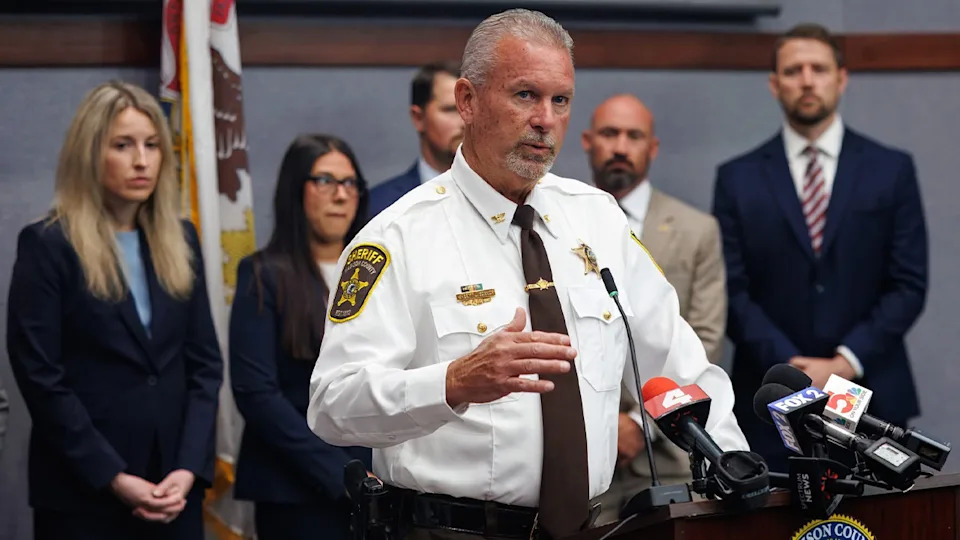
Madison County Sheriff Jeff Connor announced the arrest at a news conference on Wednesday, May 27, 2026.
Case Details
On Tuesday, prosecutors charged Albert L. Zigler, 70, of Caseyville, Illinois, with first-degree murder in the 1993 killing of 34-year-old Randy Gail Sperino. In 1993 Sperino was bludgeoned to death and her body was found abandoned in a field in unincorporated Granite City.
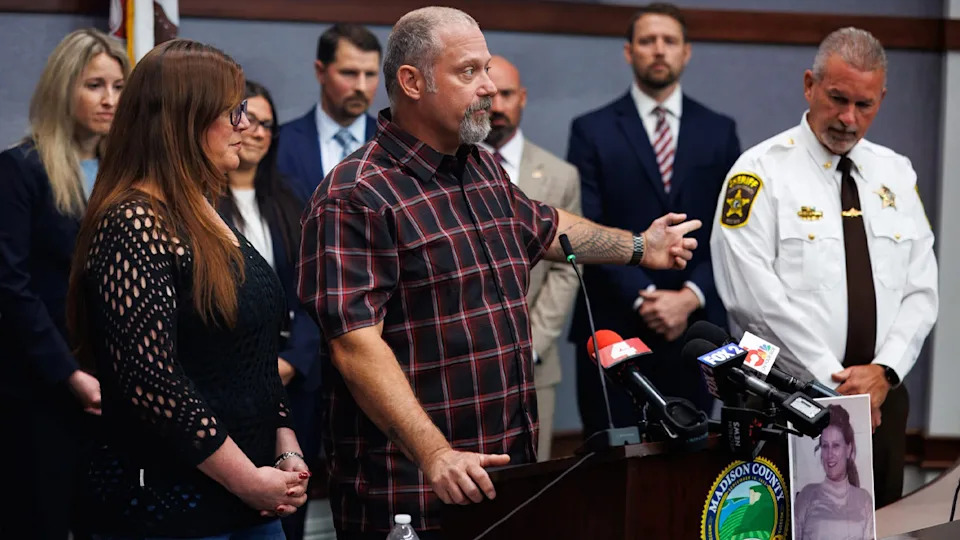
The victim's son, Wes Sperino, spoke at a news conference on Wednesday, May 27, 2026.
Investigators recovered DNA evidence at the scene at the time, but the profile produced no match in the Combined DNA Index System (CODIS). Recently, the Texas-based forensic genealogy firm Othram identified Zigler as a suspect. Authorities said they developed sufficient additional evidence to support criminal charges despite the passage of more than 30 years.
Family Reaction
"I thought I might pass and never know, but that all changed thanks to these guys behind me and to my side," Wes Sperino, the victim's son, told local reporters. "I was ecstatic and then I had immediate tears of joy, and I was just shocked that I was hearing the words of, 'We got him.'"
Officials emphasized that Zigler has been charged; those charges are allegations that must be proven in court. The investigation remains active as prosecutors prepare the case for trial.
Why this matters: The identification highlights how advances in forensic genealogy, combined with persistent investigative work, are helping law enforcement reopen cold cases and provide long-sought answers to victims' families.
Help us improve.





















