Syria's transitional authorities have begun detaining senior former-regime figures and opened the first high-profile war-crimes trial since the civil war ended in December 2024. The trial of Atef Najib, linked to abuses in Daraa that fueled the 2011 uprising, illustrates both symbolic progress and deep legal limitations: Najib is being tried under the outdated 1949 penal code. Officials aim for 500 trials in five years, but gaps in law, judicial capacity, and political risk make that target ambitious. The outcome will test whether Syria can build a credible, transparent transitional-justice process and strengthen the rule of law.
Syria Opens First War-Crimes Trial — Aiming for 500 Cases, But Facing Legal and Political Hurdles
DAMASCUS — In a dramatic shift for postwar Syria, transitional authorities have begun detaining senior figures from the Assad era and opened the country’s first high-profile war-crimes hearing since the civil war formally ended in December 2024. The move signals an effort to deliver accountability and reassure a fractured public, but it also exposes deep legal gaps and political risks as the interim government tries to build a justice system under intense pressure.
Key Arrests And The First Trial
Over the past six weeks, security forces detained several well-known former regime officials: Adnan Abboud Hilweh, accused of orchestrating the 2013 sarin attack on Eastern Ghouta; Jayez al-Moussa, the former air force chief of staff linked to chemical attacks and sanctioned by the EU; Major General Wajih Ali al-Abdullah, who ran the military affairs office for more than a decade; and Amjad Yousef, accused of leading the 2013 Tadamon massacre, in which at least 41 civilians were executed.
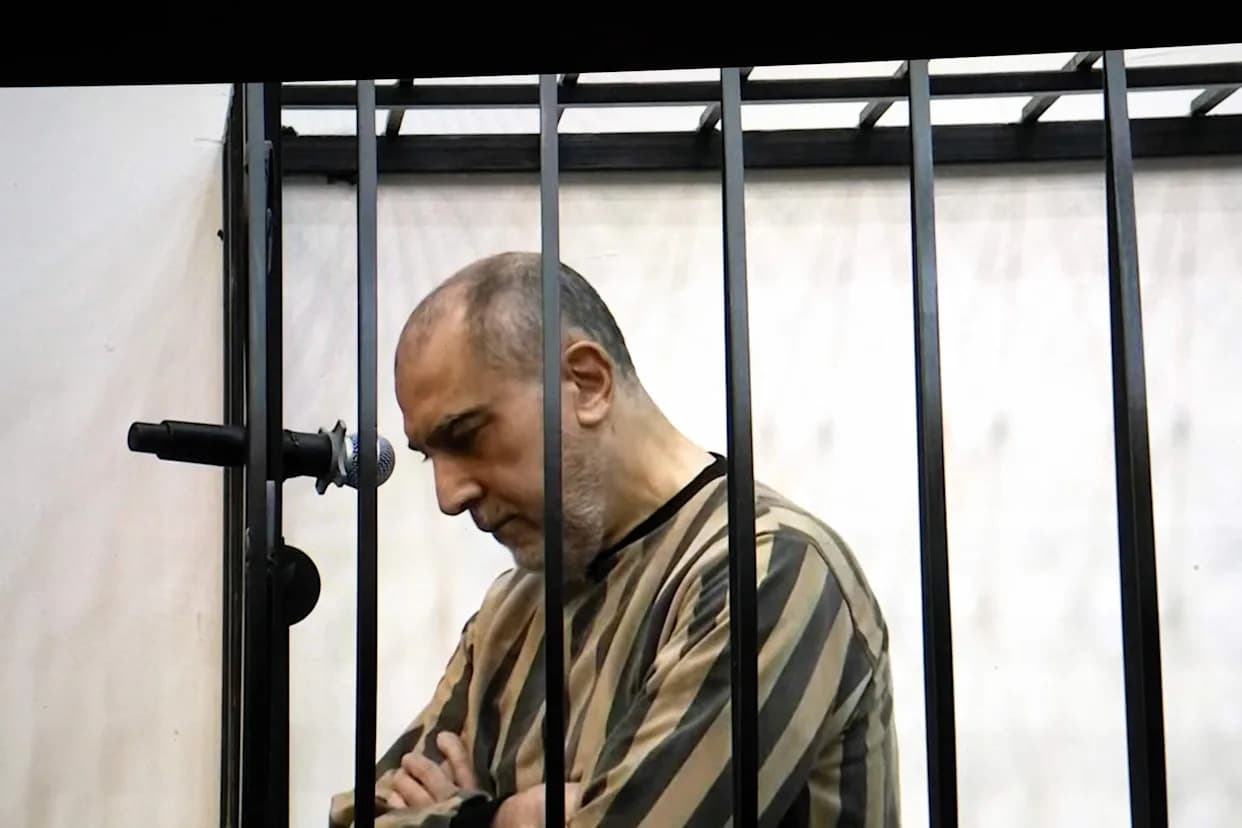
Those arrests coincided with the opening of the trial of Atef Najib, a cousin of Bashar al-Assad and the former security chief in Daraa whose brutal treatment of schoolchildren in 2011 helped spark nationwide protests. On May 10 Najib appeared shackled in a Damascus courtroom, facing 10 charges including murder and torture. Bashar and Maher al-Assad were charged in absentia.
Legal, Institutional, And Practical Challenges
Officials have set an ambitious target: 500 war-crimes trials in the next five years. But experts and local observers say that goal will be difficult to meet without major legal and institutional reforms.
- Outdated Laws: Najib is being prosecuted under the 1949 penal code, a statute drafted for ordinary crimes rather than crimes against humanity or war crimes.
- Gaps In Domestic Liability: Syria currently lacks a domestic statute on command responsibility, limiting prosecutions of senior officials who ordered or condoned abuses.
- Judicial Capacity: Many Assad-era judges were dismissed, creating a staffing gap and eroding institutional experience in complex atrocity cases.
- Limited Mandates: The National Commission for Transitional Justice, created by decree, focuses on Assad-era abuses and does not cover alleged violations by new security forces during recent sectarian violence.
- Case Volume: The interim government has detained an estimated 4,000 former regime officials; thousands more alleged perpetrators remain at large, creating a massive caseload.
The authorities have started capacity-building efforts. Damascus University hosted a seminar attended by more than 300 law students and international experts, including Stephen Rapp, a former U.S. ambassador-at-large for war-crimes issues, to help train future prosecutors and assistants. Practical programs aim to teach how to build cases, identify modes of liability, and preserve evidence.
Mutasem Syoufi, executive director of the Day After, said: 'The authorities are receiving legitimate pressure from the community, in respect to justice and the economy; now, you have to deliver, so they cannot avoid the people’s demand.'
Stephen Rapp warned: 'They will have a hard time trying 500, and they will have to make a strategic choice in whom to try.'
Examples And Public Response
Survivor testimony and public recognition are already driving some arrests. Former detainees identified a woman known during the war as 'Mounia' (now named Hala) — accused of serving as a guard involved in torture at an air force intelligence detention center — after seeing her post photos of her hairdressing work in central Damascus. She was arrested in March.
Many of the victims who pushed for prosecutions attended Najib’s hearing. For them, the process is about recognition and truth as much as punishment. Fadel Abdulghany of the Syrian Network for Human Rights described the in absentia charges against Bashar al-Assad as a symbolic transformation, moving him from an untouchable former president to a defendant before the judiciary.
Why This Matters
How the interim government manages prosecutions will shape Syria’s political future. Successful, transparent trials could strengthen the rule of law and undercut old networks that still wield weapons, money, and foreign ties. Poorly handled proceedings, however, risk appearing selective or politicized, fueling instability and revenge. The immediate test is not only whether individual perpetrators are held to account, but whether Syria can create a fair, credible transitional justice process that withstands domestic and international scrutiny.
What To Watch Next: legislative moves to align domestic law with international standards, appointments to rebuild the judiciary, prioritization of cases (including possible referrals to international mechanisms), and continued public engagement by victims and civil society.
Help us improve.