Gov. Abigail Spanberger vetoed legislation that would have required statewide mandatory collective bargaining for Virginia public employees after proposing substantive amendments that lawmakers rejected. Her revisions softened mandatory language, delayed implementation to 2030, favored advisory arbitration over binding arbitration, and delegated procedural rules to a newly created Public Employee Relations Board. Unions criticized the changes as weakening workers’ rights; fiscal analysts warned the original measure could have raised state and local costs significantly. Spanberger says she still supports collective bargaining and remains open to a compromise bill.
Unexpected Veto: Gov. Spanberger Blocks Statewide Mandatory Collective Bargaining, Angering Unions
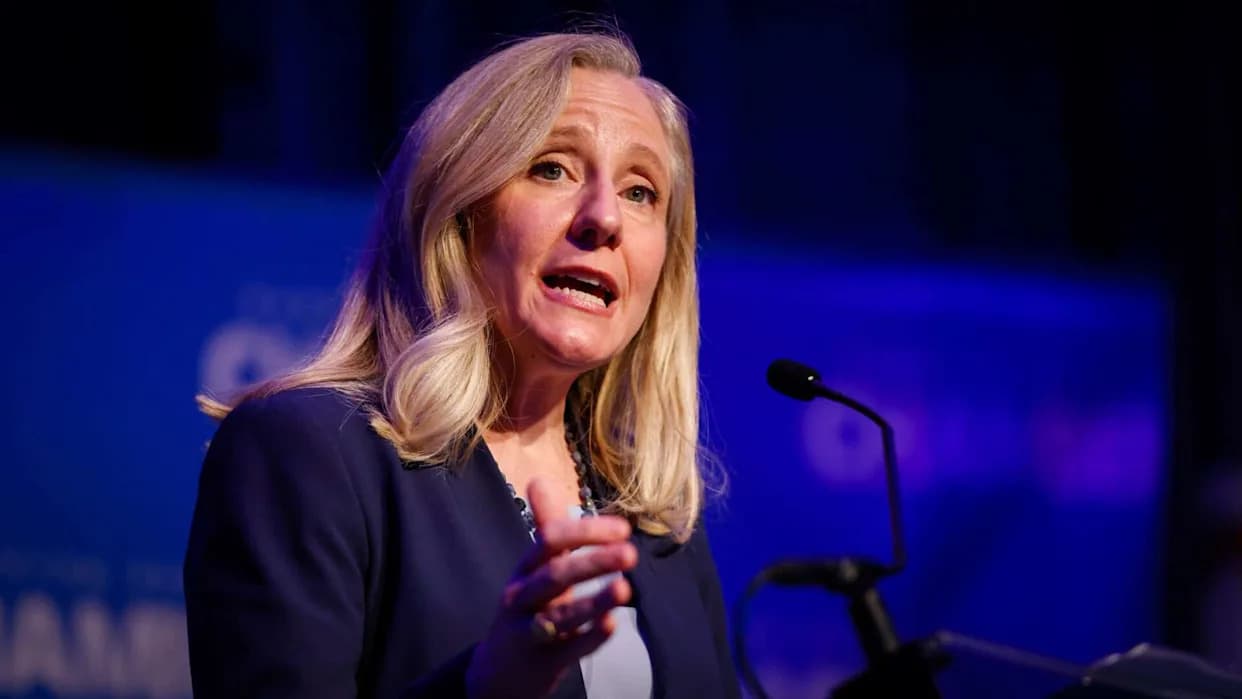
Abigail Spanberger Vetoes Mandatory Collective Bargaining, Defying Virginia Unions
Gov. Abigail Spanberger surprised union leaders and many Democrats when she vetoed legislation that would have imposed statewide mandatory collective bargaining for Virginia public employees. The bill—passed by the General Assembly earlier this year—sought to move the commonwealth from a local opt-in framework to a uniform, statewide mandate. Spanberger returned an amended version to the legislature before ultimately rejecting the original measure.
Background
Since Democrats won a state-government trifecta in the 2025 elections, two labor priorities rose to the top of the policy agenda in Richmond: repealing Virginia’s long-standing right-to-work law and establishing mandatory collective bargaining for public-sector workers. The latter effort culminated in 2026 when lawmakers advanced a bill to require bargaining statewide rather than leave the decision to individual localities.
What the Governor Changed
Rather than sign the bill as written, Spanberger proposed a set of substantive amendments and sent a revised draft back to the legislature. Key changes in her version included:
- Softening prescriptive language—changing the scope of bargaining from "shall include" to "may include" wages, hours and benefits.
- Delaying the law’s implementation for localities from 2028 to 2030.
- Replacing binding arbitration with advisory arbitration to resolve contract disputes.
- Giving broader discretion to a newly created Public Employee Relations Board (PERB) by leaving detailed rules on union elections and negotiation timelines to the board’s rulemaking authority.
- Removing a requirement that two PERB members be union representatives.
Union Response And Legislative Reaction
Labor groups said Spanberger’s changes would undermine the bill’s protections and accused her of a bait-and-switch—arguing that leaving key procedures to an appointed board risked politicizing the process and allowing future governors to limit bargaining. The General Assembly rejected the governor’s amendments and returned the original bill to her, prompting Spanberger to veto the measure.
Fiscal Concerns
Supporters of the veto and some fiscal analysts argue mandatory bargaining tends to increase public-sector labor costs. Research cited by critics estimates that compulsory bargaining can raise state and local spending by roughly $600–$750 per resident annually. Analysts projected the proposed Virginia law could have cost the state about $50 million per year, with local costs varying widely—estimates ranged from roughly $50,000 to $403 million over a two-year period depending on assumptions and locality size.
Political Implications
Spanberger maintains she supports collective bargaining in principle and said she remains willing to sign a bill she can endorse. With Democrats holding a trifecta through at least the 2027 elections, party leaders have time to negotiate a compromise that satisfies both union advocates and the governor—if they choose to prioritize the issue before the next elections.
Bottom line: For now, mandatory statewide collective bargaining remains off the books in Virginia, leaving the state’s opt-in approach intact while political negotiations over labor policy continue.
Help us improve.