
Starship’s late-May launches — including an upper stage that lost contact and likely disintegrated over the Indian Ocean — drew attention amid worries about global oil supplies. Starship uses roughly 1,500 metric tonnes of liquid methane and LOX, so individual launches do not drain gasoline or diesel reserves. Methane Raptor engines produce less soot than kerosene systems, but they are not emissions-free: launches still generate tens of thousands of tonnes of CO2e. Scientists are more concerned about cumulative soot from kerosene-fueled launches and the high cadence of flights to build megaconstellations, which can warm the stratosphere and affect ozone.
Why SpaceX Launched History’s Biggest Rocket Amid a Global Fuel Crunch
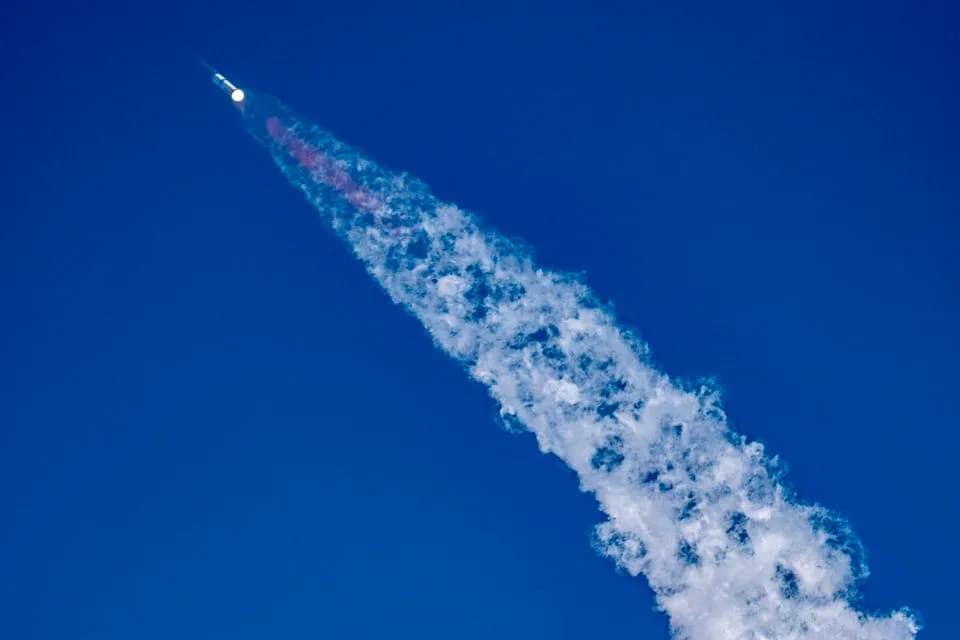
The SpaceX Starship rocket launches from Starbase, Texas, as seen from South Padre Island on May 27, 2025. SpaceX mission control lost contact with the upper stage of Starship as it leaked fuel, spun out of control, and made an uncontrolled reentry after flying halfway around the world, likely disintegrating over the Indian Ocean, officials said. (Photo by Sergio FLORES / AFP) (Photo by SERGIO FLORES/AFP via Getty Images)AFP via Getty Images
SpaceX’s recent Starship activity in late May 2025 — including a May 27 flight whose upper stage lost contact and likely broke up over the Indian Ocean — has drawn scrutiny amid heightened concern about global oil supplies. At first glance, launching the world’s most powerful rocket during a fuel scare can look tone-deaf. A closer look at the fuels, climate impacts and industry trends explains why the program continued and why the launch does not meaningfully affect short-term fuel availability.
What happened: Starship V3 experienced an anomalous event on May 27 when mission control lost contact with the upper stage; telemetry suggested a fuel leak, a loss of control and an uncontrolled reentry that likely destroyed the stage over the Indian Ocean. The vehicle had flown multiple tests in May, including a successful twelfth flight on May 22, while SpaceX prepared for an announced IPO that prompted investor attention.
Fuel and supply-chain context: Starship carries roughly 1,500 metric tonnes of propellant composed mainly of cryogenic liquid methane and liquid oxygen (LOX). These propellants are distinct from the gasoline, diesel and jet fuel refined from crude oil that power most road vehicles and commercial aircraft. A single Starship launch therefore does not deplete the petroleum products that affect consumer fuel prices, and launches of this vehicle are not drivers of short-term fuel shortages.
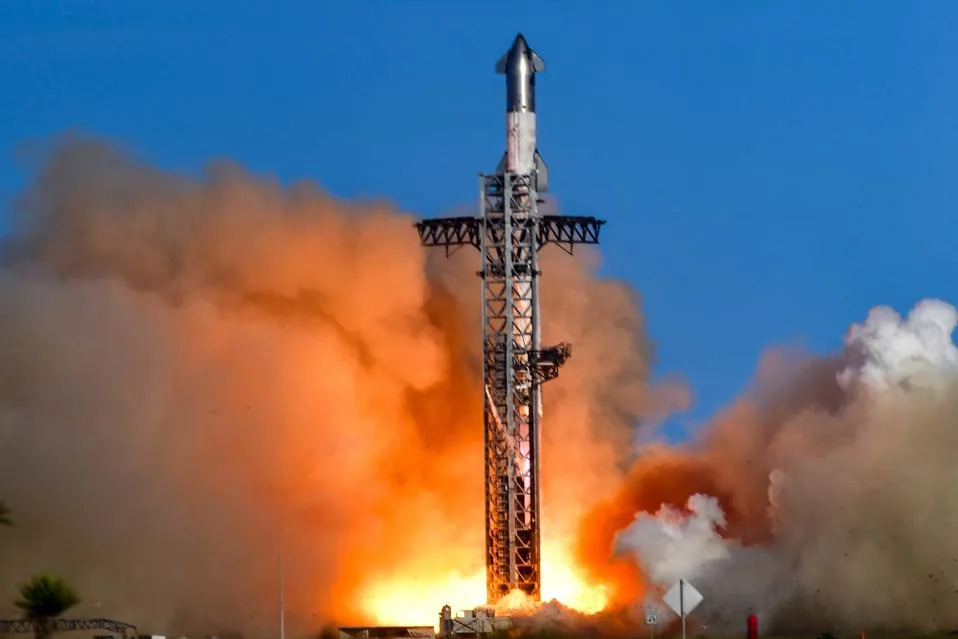
SpaceX Starship lifts off from Starbase in Boca Chica, Texas, for its sixth flight test on November 19, 2024. (Photo by CHANDAN KHANNA/AFP via Getty Images)AFP via Getty Images
Methane Versus Kerosene: Many existing rockets use kerosene-derived propellants (RP-1), which are linked to the oil market. SpaceX’s Falcon 9, for example, burns kerosene-based fuel and flew frequently in 2025 — 167 launches versus a handful of Starship tests — illustrating that most current launch activity remains tied to oil-derived fuels. Starship’s methane-based Raptor engines produce less soot than kerosene systems and are viewed as a step toward cleaner launch propulsion; methane is also attractive for long-term ambitions because it could conceivably be produced on Mars from carbon dioxide and water.
Environmental footprint: "Cleaner" does not mean emissions-free. Researchers estimate a single Starship flight can still emit tens of thousands of metric tonnes of carbon-dioxide-equivalent (CO2e) emissions. The larger near-term climate and atmospheric concerns center on black carbon (soot) from kerosene-burning rockets and on the cumulative impact of an expanding launch cadence to build and replenish satellite constellations.
Upper-Atmosphere Effects
Rockets differ from aircraft because they inject exhaust directly into the stratosphere and mesosphere, where pollutants can persist far longer than near the surface. A 2022 study modeled the climate effects of black carbon from rocket engines, discarded stages and reentering debris and found that soot can warm the stratosphere, alter atmospheric circulation and harm the ozone layer. More recent work has warned that repeated launches to deploy megaconstellations could act like "small-scale stratospheric aerosol injection experiments" with poorly understood consequences.
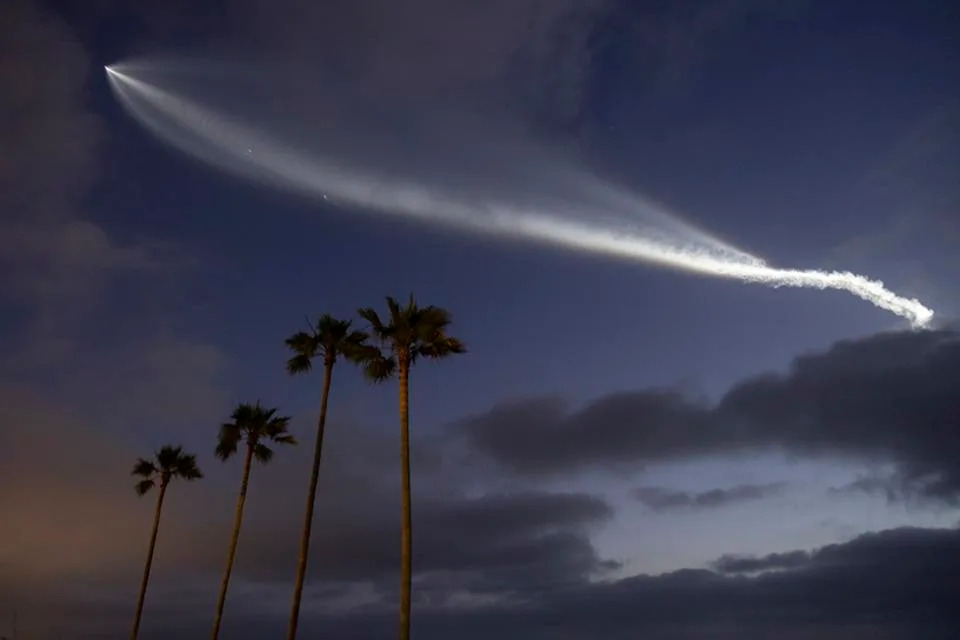
A SpaceX Falcon 9 rocket carrying a payload of 20 Starlink internet satellites into space soars across the sky after sunset above the Pacific Ocean after launching from Vandenberg Space Force Base on June 18, 2024, as seen from San Diego, California. The launch could be seen from several southwestern states. (Photo by Kevin Carter/Getty Images)Getty Images
Scientists warn that soot in the upper atmosphere absorbs sunlight, warming high layers while reducing sunlight at the surface — a complex, regionally variable effect that could change circulation and chemistry.
Researchers estimate that satellite megaconstellations — now nearly 12,000 operational satellites with plans to scale many networks toward tens of thousands more — are responsible for a growing share of the space sector’s climate impact. One analysis placed megaconstellations at roughly 35% of the sector’s climate impact in 2020 and projected a rise to around 42% by 2029 if current trajectories continue.
What This Means
Key takeaways: a Starship launch does not cause gasoline or diesel shortages; Starship’s methane-fueled Raptors are cleaner than many legacy kerosene engines but not emissions-free; and the primary near-term concern is the industry’s overall growth — heavy use of kerosene-fueled rockets and the launch cadence required for megaconstellations — which could amplify upper-atmosphere warming and ozone effects.
As commercial space activity scales, the industry, regulators and scientists will need better monitoring, emissions accounting and mitigation strategies to understand and manage high-altitude impacts. For now, the optics of a giant rocket launch during a fuel scare are striking, but the technical link to consumer fuel shortages is minimal — while the environmental questions remain important and unresolved.
Wishing you clear skies and wide eyes.
Help us improve.





















