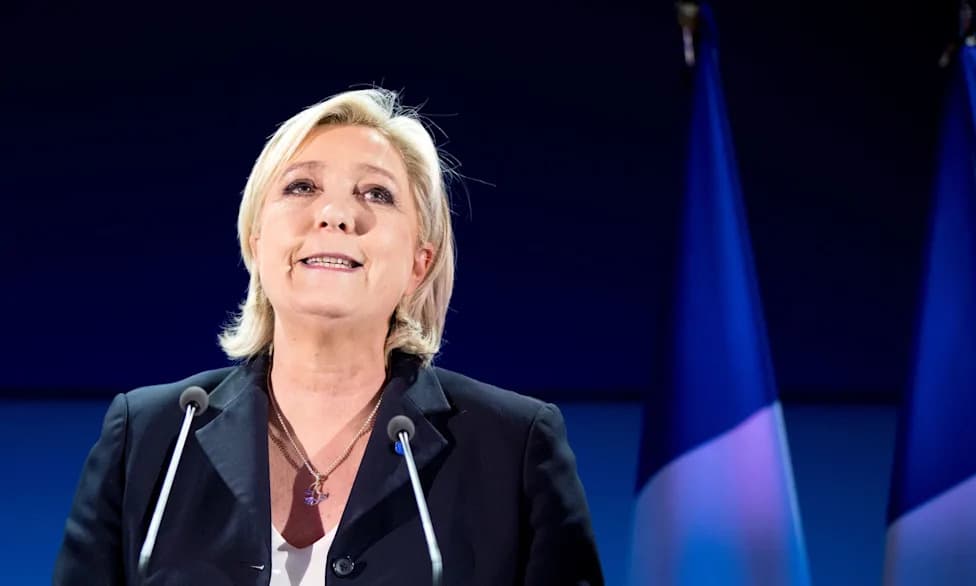
Marine Le Pen has vowed to withdraw France from NATO's integrated military command if elected president in 2027, while saying she would keep France in the alliance. Foreign Minister Jean-Noël Barrot called the proposal "unreasonable and wholly irresponsible," warning allies would see it as a betrayal amid Russian aggression. The move would echo Charles de Gaulle's 1966 withdrawal, reversed in 2009, and would be closely monitored by European capitals amid debates over strategic autonomy and U.S. commitment.
Le Pen Pledges To Exit NATO's Integrated Military Command While Keeping France In The Alliance
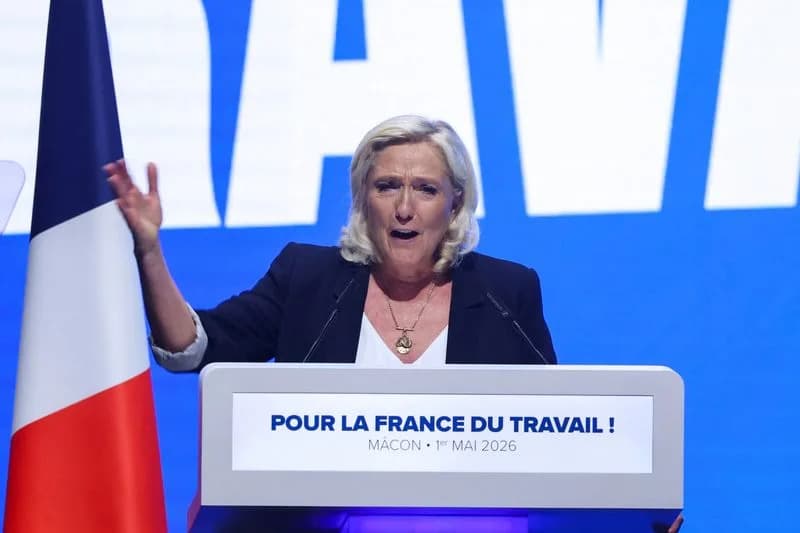
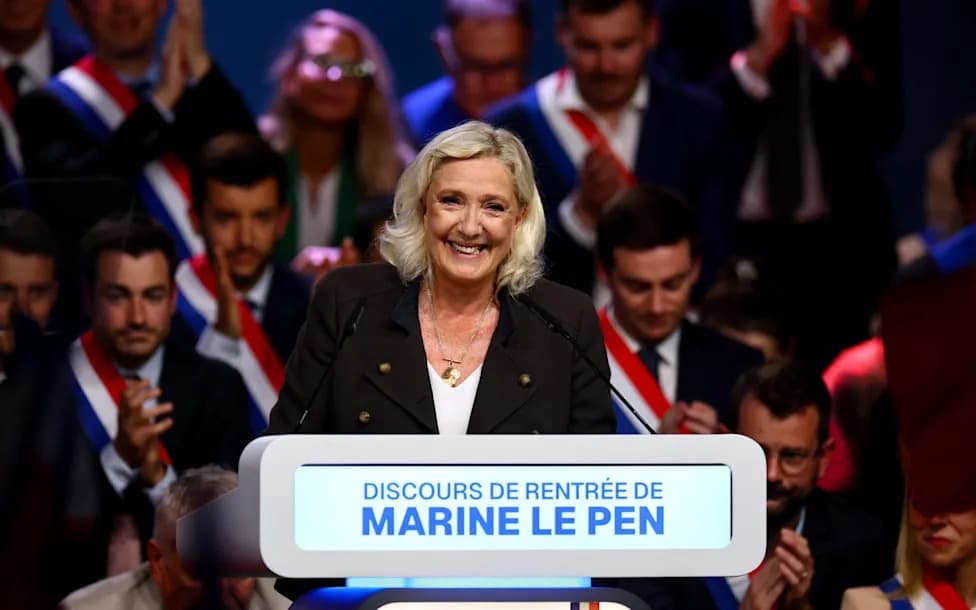
French far-right leader Marine Le Pen speaks during a political rally of the French far-right Rassemblement National (National Rally - RN) political party in Macon as the country marks the May Day national holiday, France, May 1, 2026. REUTERS/Manon Cruz
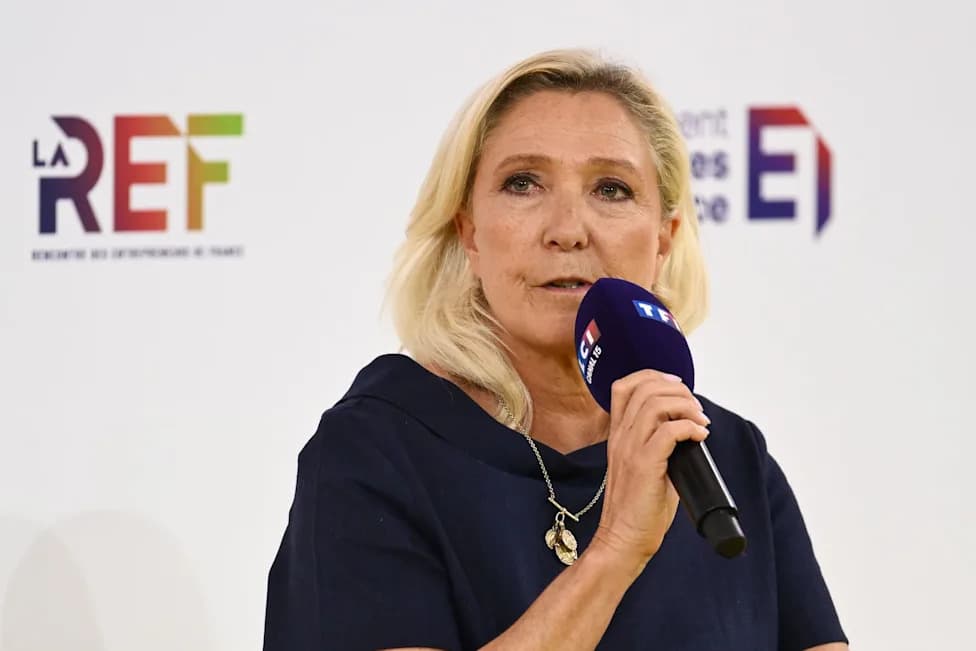
Far-right leader Marine Le Pen said on Friday she would withdraw France from NATO's integrated military command if elected president in 2027, while keeping the country within the wider alliance. The statement, made as NATO ministers gathered in Sweden, was rejected by French Foreign Minister Jean-Noël Barrot as "irresponsible."
Le Pen's Proposal
Speaking to BFM TV, Le Pen reiterated her long-held view that remaining in NATO's integrated command undermines French sovereignty. "We must withdraw from NATO’s integrated command. We should remain in NATO, but leaving the command does not prevent interoperability with allied forces," she said, adding: "In reality we are dependent on the decisions of (U.S. President) Donald Trump, which is regrettable." Her National Rally party currently tops opinion polls about a year before the 2027 presidential vote, although her ability to run depends on an appeals court decision later this year.
Context And History
NATO’s Integrated Military Command is the alliance’s permanent command system designed to enable the 32 member states’ forces to operate quickly and coherently as a single force. France previously left the integrated command in 1966 under President Charles de Gaulle, a move that was reversed in 2009 under President Nicolas Sarkozy.
Government And International Reaction
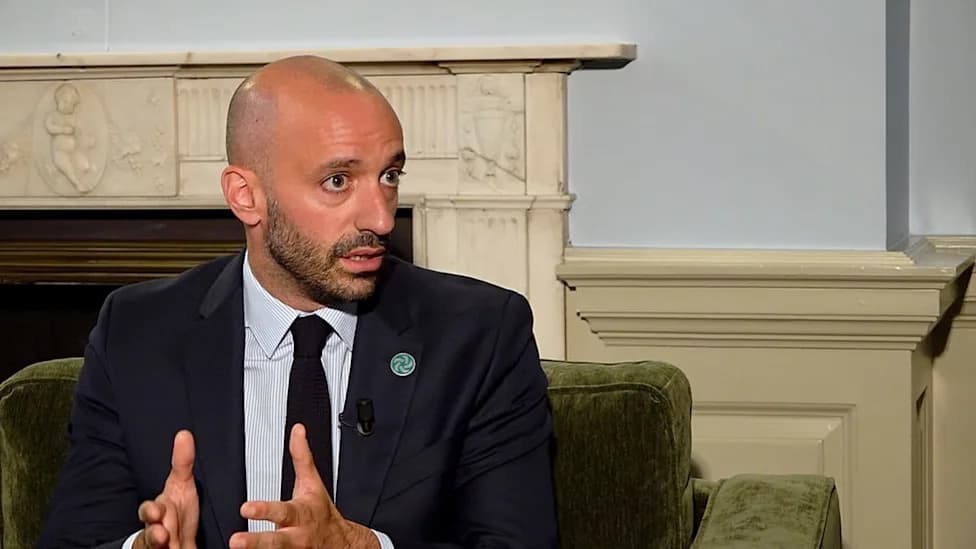
Arriving at the NATO meeting in Sweden, Foreign Minister Jean-Noël Barrot warned that as Washington reassesses its engagement in Europe it is all the more important for France and its partners "to assert their vision, develop their capabilities — in short, to Europeanise NATO." He called calls to leave the integrated command "obviously unreasonable and wholly irresponsible," saying allies facing persistent Russian aggression would view such a withdrawal as a betrayal.
Jean-Noël Barrot: "Calls by certain French political figures for withdrawal from NATO are obviously unreasonable and wholly irresponsible."
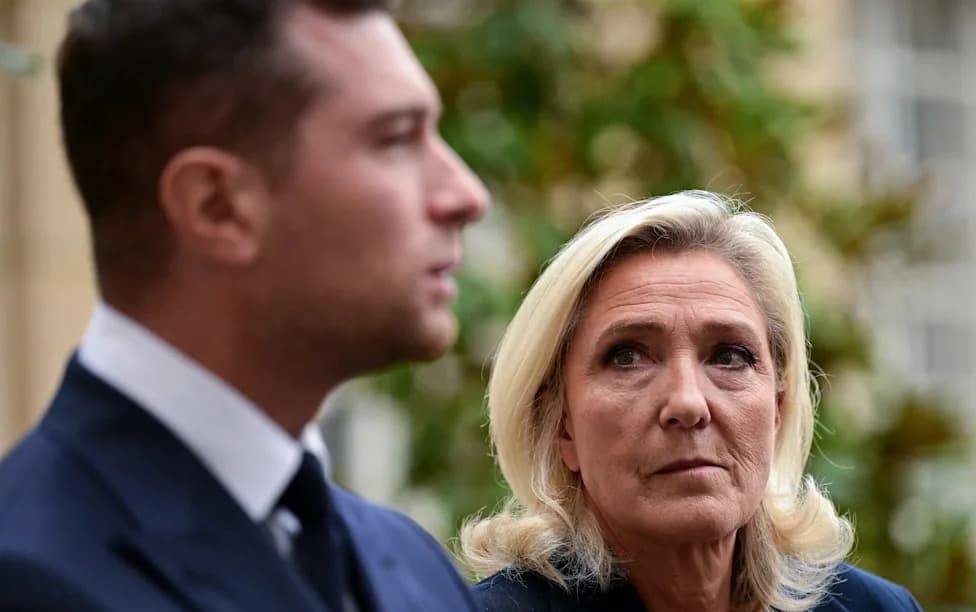
National Rally leader Jordan Bardella has struck a more cautious tone, saying in March he would not pull France out of the command during wartime. Meanwhile, most political groups in France — including National Rally — backed increased defence spending in the lower house this week, reflecting a broader effort to strengthen the military as Russia's war in Ukraine continues.
What Comes Next
A future French government that distances itself from NATO’s structures would be watched closely by capitals already uneasy about Washington’s long-term commitment to Europe. Any move to leave the integrated command would trigger debates over operational interoperability, European defence cooperation and France’s role on the continent and in NATO.
Help us improve.