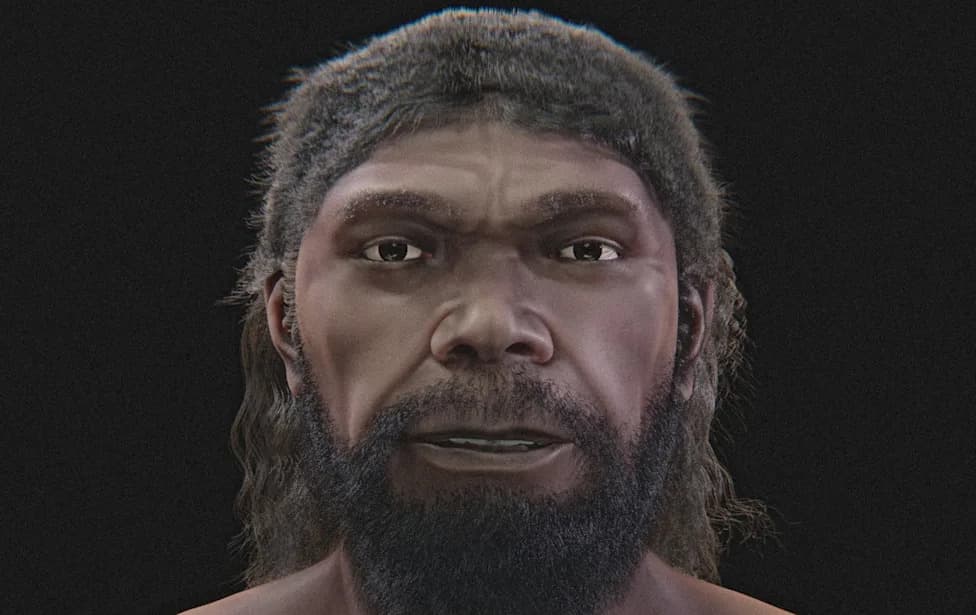
Reanalysis of the Bété I site in Côte d'Ivoire, using OSL and ESR dating plus pollen and sediment studies, shows Homo sapiens lived in a humid, closed-canopy West African rainforest about 150,000 years ago. Published in Nature, the study doubles previous estimates for rainforest habitation and demonstrates early humans' ecological flexibility. Mining damage to the site underscores the need for protection and further fieldwork to fill remaining gaps.
Humans Lived in West African Rainforest Around 150,000 Years Ago, Study Finds
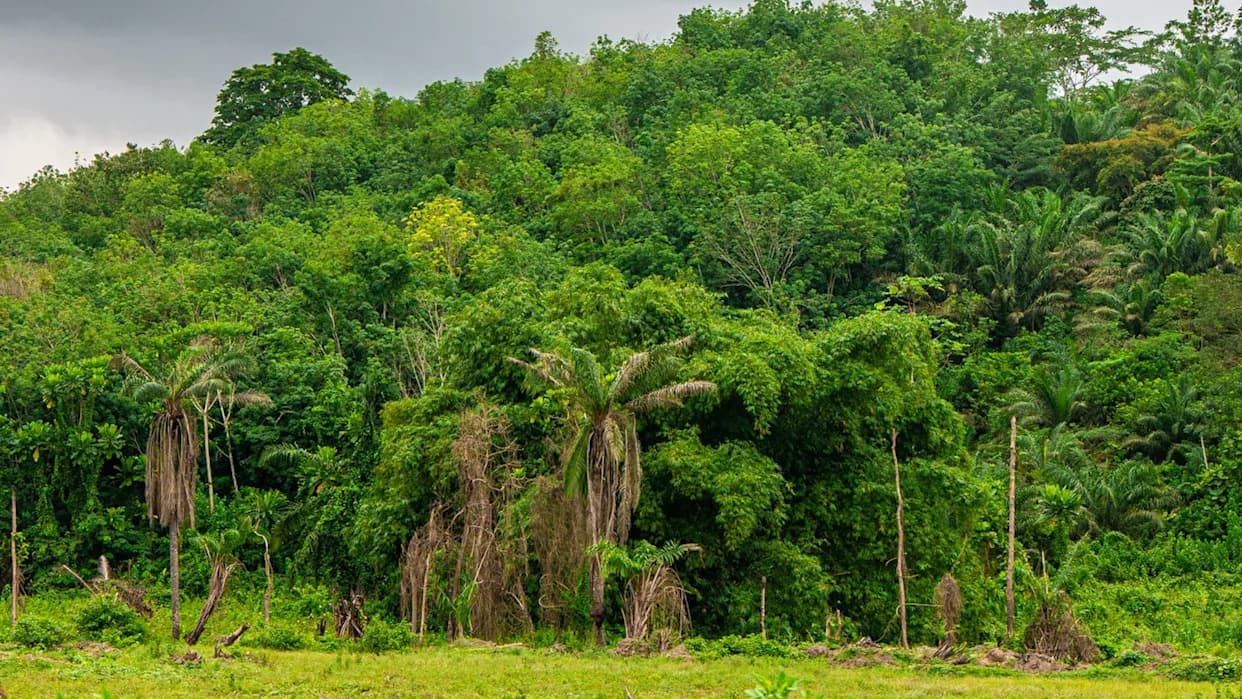
Photo Credit: iStock
New analyses of the archaeological site Bété I in present-day Côte d'Ivoire show that Homo sapiens occupied a humid, closed-canopy West African rainforest about 150,000 years ago. The finding, led by researchers associated with the Max Planck Institute for Geoanthropology and published in Nature, pushes confirmed rainforest habitation by our species to more than twice previous estimates.
Dating and Environmental Evidence
Excavations at Bété I in the 1980s recovered stone tools, but the technology available then could not establish their age or the ancient environment. The research team reanalyzed sediments and artifacts using modern chronometric methods—Optically Stimulated Luminescence (OSL), which dates the last exposure of mineral grains to sunlight, and Electron-Spin Resonance (ESR), which measures trapped electronic charges—to converge on an age near 150,000 years.
Complementary paleoenvironmental analyses examined pollen, phytoliths, and chemical signatures preserved in the deposits. These proxies show very little grass pollen and strong signals of closed-canopy forest, indicating a true humid rainforest rather than savanna or open woodland.
Why This Matters
The results challenge a long-standing, simplified model that early Homo sapiens largely avoided dense tropical rainforests. Instead, the evidence supports greater ecological flexibility: early humans could live in and adapt to complex, humid forest ecosystems. The study's senior author, Eleanor Scerri, commented that "convergent evidence shows beyond doubt that ecological diversity sits at the heart of our species." This adaptability may have contributed to the persistence of Homo sapiens while other hominin groups disappeared.
The findings also raise the possibility that humans began influencing rainforest ecosystems—through hunting, fire use, and plant management—far earlier than previously thought.
Conservation and Future Work
Timing proved especially important because parts of the Bété I site were later damaged by mining activity after its initial discovery. Several nearby sites remain little explored, so further fieldwork, better protection of archaeological locations, and sustained funding could reveal older or additional evidence of rainforest habitation by humans.
Bottom line: Bété I provides robust, multidisciplinary evidence that Homo sapiens occupied West African rainforests around 150,000 years ago, reshaping our understanding of early human ecological diversity.
Help us improve.