The New York Times reports that the FDA issued new guidance on flavored e-cigarettes days after a Reynolds subsidiary donated $5 million to MAGA Inc. and after tobacco executives met with President Trump. The guidance could permit certain flavored products so long as they avoid "presumptively underage-appealing elements," while prioritizing enforcement against illicit imports. FDA Commissioner Dr. Marty Makary resigned, saying he could not approve flavored vapes he believed would appeal to youth. Critics called the timeline suggestive of pay-for-access, though the Times found no definitive proof of a direct link.
Report: $5M Reynolds Donation, Presidential Meeting, Then Rapid FDA U-Turn on Flavored Vapes
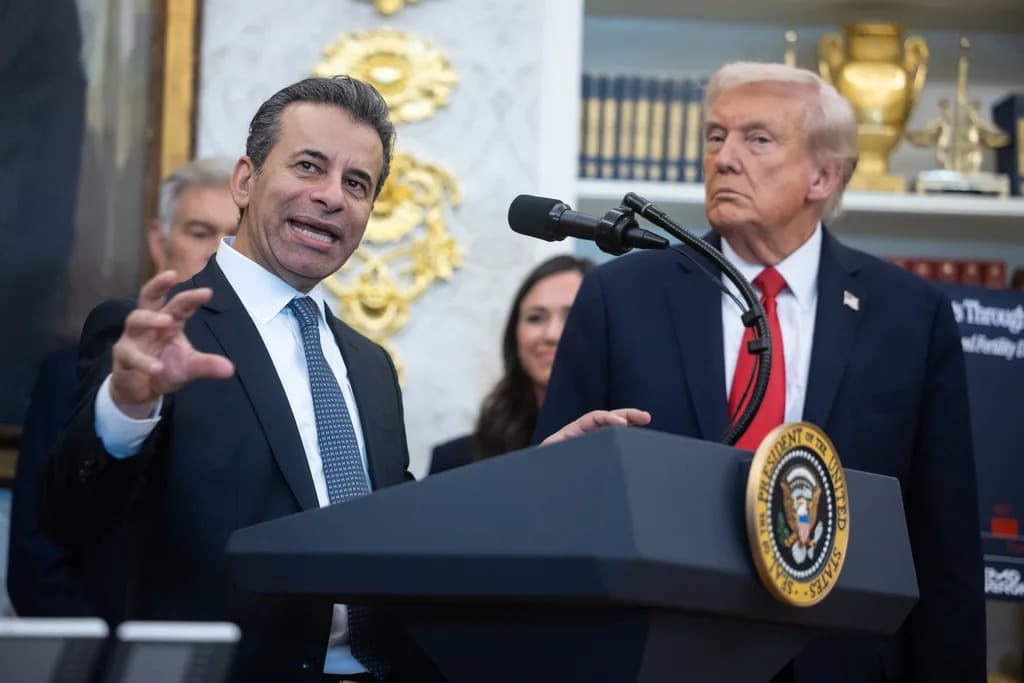
Food and Drug Administration Commissioner Marty Makary speaks alongside President Donald Trump
A New York Times report says the Food and Drug Administration reversed course on flavored e-cigarette restrictions days after a Reynolds American subsidiary donated $5 million to MAGA Inc. and shortly after tobacco executives met with President Donald Trump at his Florida golf club.
Federal law bans tobacco sales to minors and in 2019 the federal minimum purchasing age was raised to 21. Since 2020 the FDA has largely barred flavored cartridge e-cigarettes over concerns they appeal to youth, allowing only tobacco- or menthol-flavored cartridges. Despite that ban, illicit flavored products—much of them imported from China—have come to dominate the roughly $6 billion U.S. e-cigarette market.
Timeline of Events
April 30: A Reynolds American subsidiary disclosed a $5 million donation to MAGA Inc., according to PAC filings cited by The New York Times.
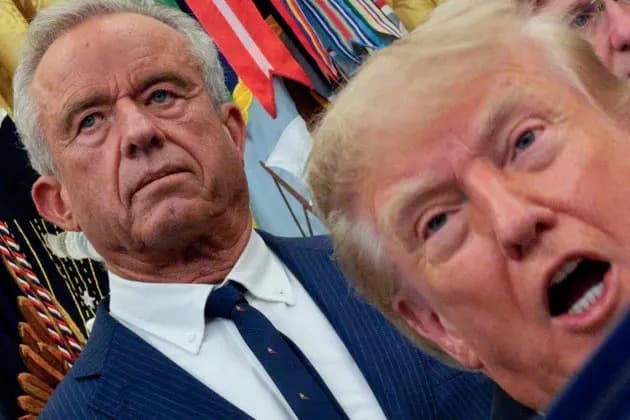
May 2 (two days later): Trump hosted a lunch at his Jupiter, Florida golf club with a Reynolds executive, two Reynolds lobbyists and two Altria executives. The Times reports the tobacco representatives expressed frustration with FDA regulation of e-cigarettes. The president then placed calls to senior health officials, including Health and Human Services Secretary Robert F. Kennedy Jr. and Dr. Mehmet Oz.
May 8: The FDA issued new guidance intended to both crack down on illicit e-cigarettes and to permit an expansion of legal tobacco products. The guidance said flavored products could be allowed if they avoided "presumptively underage-appealing elements" such as cartoon-like characters, disguises that hide the product's nature, or designs that resemble children's toys, phones or gaming platforms. The guidance also indicated a willingness to prioritize enforcement against illegal imports and included provisions that could allow higher nicotine levels in certain nicotine pouches.
May 12: FDA Commissioner Dr. Marty Makary resigned. The New York Times, citing people close to Makary, reported he told associates he could not in good conscience approve flavored vapes because of their appeal to young people.
Reactions and Context
The Times noted it found "no definitive evidence" directly linking the donation or the lunch to the FDA guidance, but observed the sequence of events was likely to be highly lucrative for major tobacco firms that have sought access to the flavored-vape market. Critics, including Sen. Chris Murphy (D-CT), called the timing suggestive of pay-for-access influence. Supporters of the guidance emphasized its emphasis on targeting illicit imports and reducing youth-appealing marketing.
Sen. Chris Murphy summarized the timeline and decried the episode as corruption: "Thursday: RJ Reynolds donates $5M to Trump; Saturday: Trump invites RJR execs to Mar-a-Lago; execs ask to loosen regs on flavored vapes; Trump calls up RFK Jr. and tells him to change it; Friday: FDA changes the policy."
Media coverage of this story cites reporting from The New York Times, The Wall Street Journal and related outlets. Investigations or official inquiries could further clarify whether the donation, the meeting and the regulatory guidance were causally linked.
Help us improve.