Commencement speakers in 2026, including Eric Schmidt and Scott Borchetta, were booed after praising AI, signaling a louder Gen Z backlash. Surveys show Gen Z excitement about AI dropped 14 percentage points while anger rose, and many young employees report resisting employer AI plans. Economic pressure, a weakening graduate job market and layoffs tied to automation are fueling resentment — even as over half of 14–29-year-olds continue to use AI regularly.
Gen Z's AI Backlash Gets Loud: Graduates Boo Speakers as Anxiety and Anger Rise

Scott Borchetta is the founder and CEO of the record label that discovered and signed Taylor Swift.Taylor Hill/WireImage
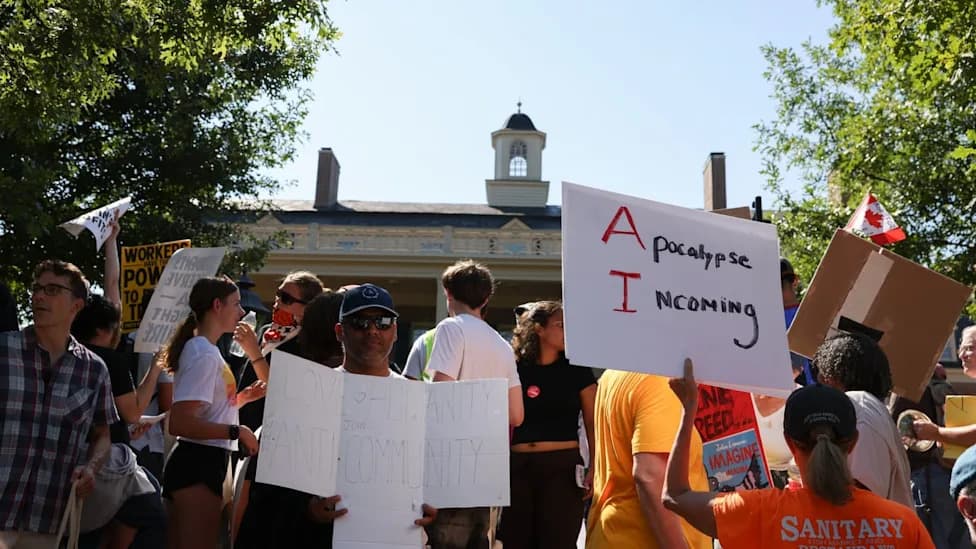
Commencement season in 2026 has produced a striking sign of generational unease: college graduates have loudly booed speakers who offered upbeat takes on artificial intelligence. The incidents — involving figures such as former Google CEO Eric Schmidt and Big Machine Records CEO Scott Borchetta — underscore growing anxiety among many young people about how AI will shape their careers and lives.
What Surveys Show
Recent polling provides concrete evidence of a shift in sentiment. A survey conducted earlier this year by the Walton Family Foundation, GSV Ventures and Gallup sampled 1,572 people aged 14–29 and found that excitement about AI in that group fell by 14 percentage points year over year, while feelings of anger toward AI rose.
Another study, published in April by AI company Writer and research firm Workplace Intelligence, polled 1,200 C-suite executives and 1,200 employees across the United States, the United Kingdom and Europe. It found that 29% of employees — and 44% of Gen Z employees — reported that they had undermined or resisted their employer's AI strategy, often because they feared AI could replace jobs.
Economic Pressure and the Job Market
The graduate job market has cooled since a hiring surge immediately after the pandemic, with conditions deteriorating since 2023. Some recent grads told Business Insider they had been searching for months for full-time roles, fueling resentment among those who chose majors before generative AI became widespread. The situation has been compounded by companies increasingly citing AI-driven automation or efficiency as a factor in layoffs.
Cultural Ripple Effects
AI anxiety is not limited to workplace concerns — it is also reshaping cultural tastes. The same unease has helped spark renewed interest in older technologies and a broader movement toward more analog lifestyles, from vinyl records to pen-and-paper planning.
Voices From the Stage
Scott Borchetta responded to boos at Middle Tennessee State University by telling graduates: “You can hear me now, or you can pay me later.”
Gloria Caulfield, a speaker at the University of Central Florida, reacted to boos by saying, “OK, I struck a chord.”
Those moments highlight a widening divide between those who believe AI creates new opportunities and young people who are increasingly worried about job displacement, fairness and the long-term social effects of rapid automation.
Mixed Adoption Despite Anxiety
Even as negative sentiment grows, many young people continue to use AI tools regularly: the Walton/GSV/Gallup survey found that more than half of 14–29-year-olds report using AI on a daily or weekly basis. For some Gen Z workers, AI has accelerated skill development and career progress — but for others, it feeds uncertainty and distrust.
What To Watch
Watch for how employers balance AI adoption with transparency, reskilling and job protections; how universities prepare graduates for an AI-augmented labor market; and whether cultural pushback leads to new regulations or workplace policies.
If you are a Gen Zer with a story to share, contact the reporter via email at [email protected] or via Signal at @royashahidi. Use a personal email address and a non-work device; here's the outlet's guide to sharing information securely.
If you enjoyed this story, follow Business Insider on Yahoo.
Help us improve.