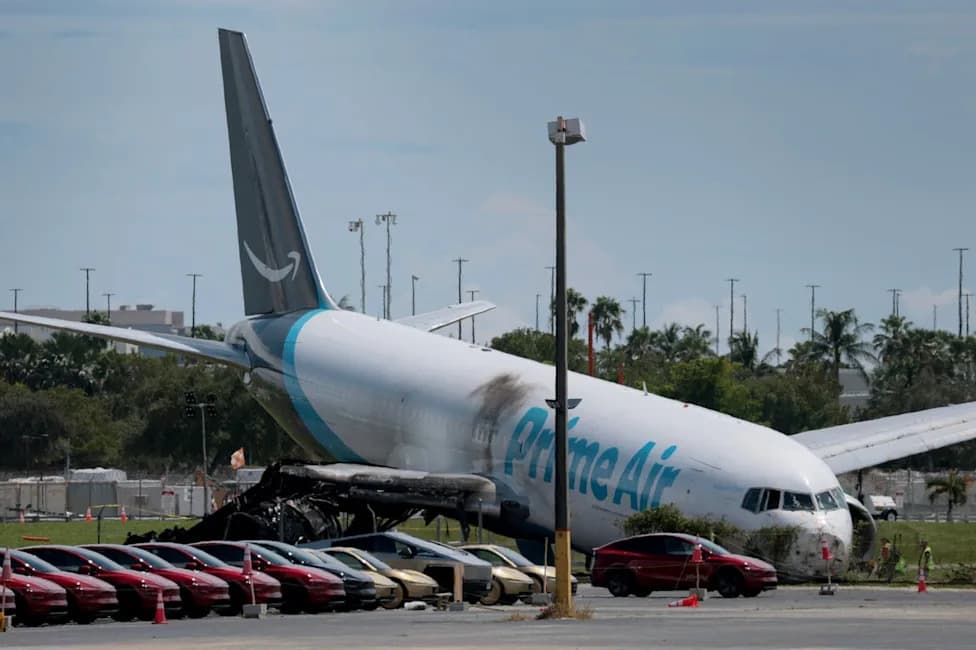
The NTSB is holding a two‑day hearing to probe why UPS Flight 2976, an MD‑11F, lost an engine on Nov. 4 and crashed after takeoff from Louisville, killing 14 and injuring 23. Preliminary findings point to fatigue cracking and overstress in the engine‑attachment lugs. The FAA has approved Boeing’s protocol to return MD‑11s to service; UPS will retire its MD‑11s while other operators like FedEx have resumed some flights after inspections. Investigators will review maintenance, an earlier overhaul in San Antonio, and data from the cockpit and flight recorders.
NTSB Opens Two-Day Hearings After UPS MD‑11 Loses Engine and Crashes Near Louisville

Plumes of smoke rise from the area of a UPS cargo plane crash near Louisville Muhammad Ali International Airport, on November 4, 2025. - Jon Cherry/AP/File
The National Transportation Safety Board (NTSB) is holding a two-day hearing to investigate why a UPS McDonnell Douglas MD‑11F lost an engine and crashed shortly after takeoff from Louisville Muhammad Ali International Airport on Nov. 4, killing 14 people and injuring 23 on the ground.
Preliminary Findings
In a preliminary report, investigators said a pair of structural fittings that secured the left engine to the wing—known as lugs—failed. The lugs showed signs of fatigue cracking and overstress. Frame‑by‑frame analysis of airport surveillance video shows the engine separating, traveling up and over the wing, and then falling alongside the runway as the aircraft burned. The jet climbed to roughly 30 feet before crashing into a warehouse, a storage yard and a petroleum recycling facility.
Who Is Testifying
Over the two days of hearings the NTSB will question witnesses from UPS, the pilots’ union, the Federal Aviation Administration (FAA) and Boeing to reconstruct the events and review technical and operational practices related to the accident.
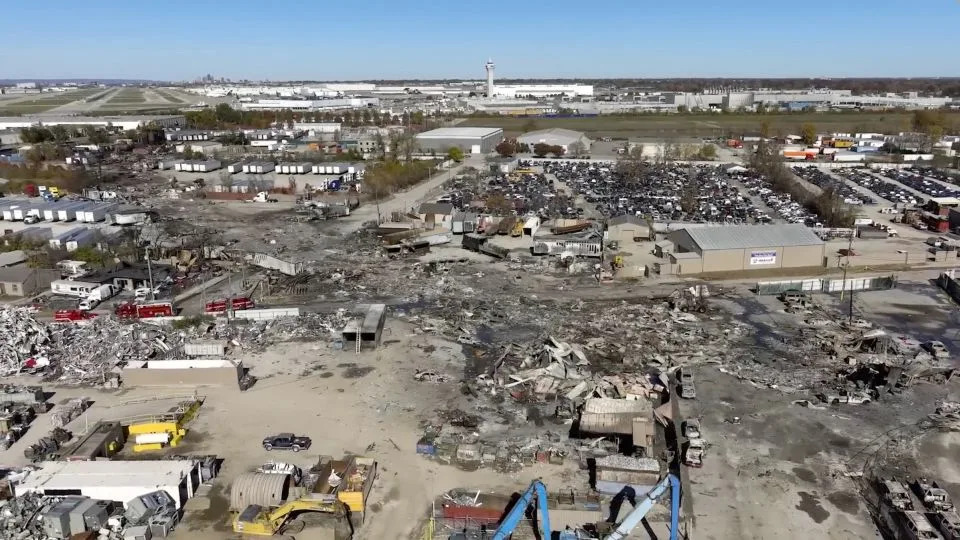
A drone view of the damage after the crash of a UPS cargo plane in Louisville, Kentucky, U.S., November 7, 2025. - NTSB/Handout/Reuters
Fleet Actions and Regulatory Response
Three days after the accident UPS grounded its MD‑11 fleet. The FAA then ordered all MD‑11 aircraft in the United States grounded pending inspections. Last week the FAA approved Boeing’s updated protocol for returning MD‑11s to service after extensive review; Boeing provided inspection and repair instructions and continues to offer technical support.
UPS has announced it will retire its MD‑11s and not return them to service. Other operators, including FedEx, have resumed some MD‑11 flights after completing inspections and repairs.
Areas Under Review
- Maintenance and overhaul records, including a six‑week overhaul in San Antonio in September–October when the aircraft was out of service.
- Data from the cockpit voice recorder (CVR) and flight data recorder (FDR) to detail crew actions and aircraft performance in the minutes before the crash.
- Design and inspection protocols for engine‑attachment fittings, and what information UPS was required to report to Boeing and the FAA.
What Comes Next
The NTSB typically issues a final report 18–24 months after an accident, identifying probable causes and safety recommendations. The agency’s findings aim to improve aviation safety; the NTSB does not assign legal blame.
Note: Additional technical testimony and evidence are expected to be released during the hearing as investigators work to determine the full sequence of events.
Help us improve.