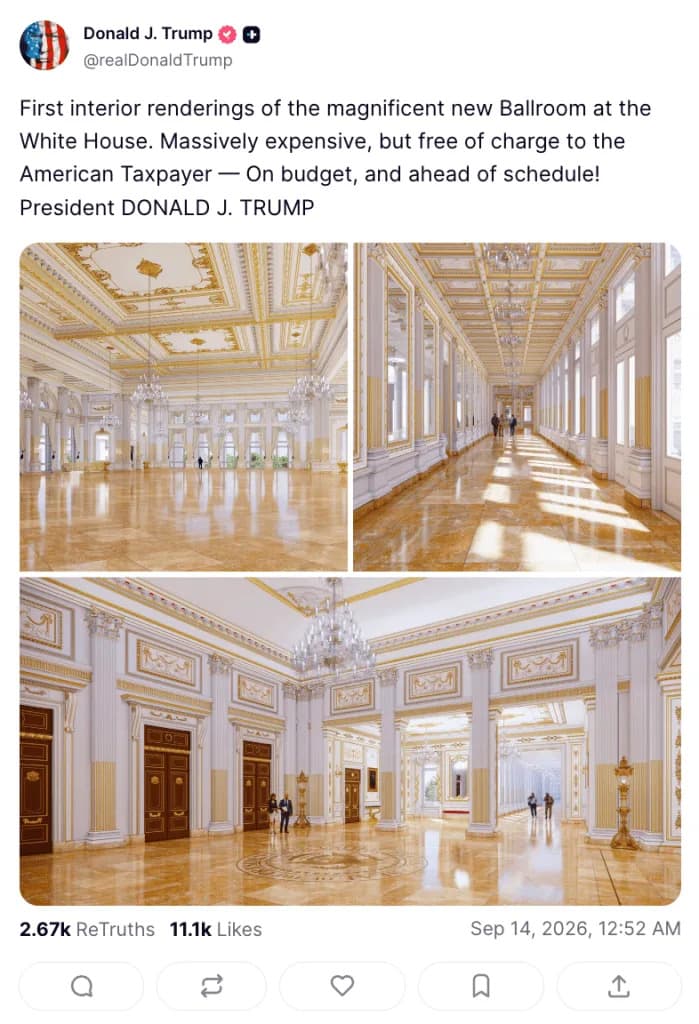
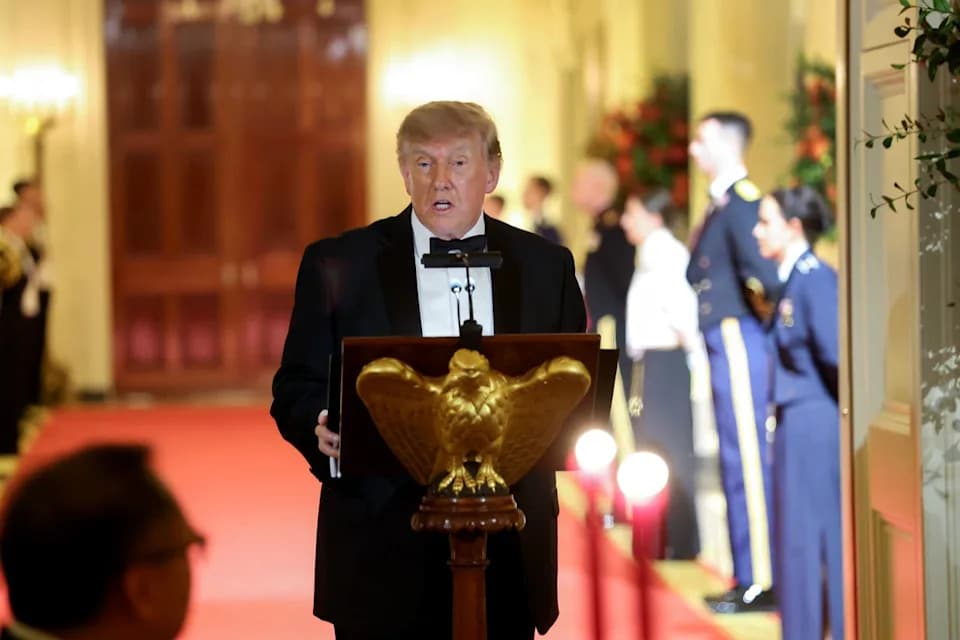
The East Wing ballroom plan once pitched as a $200 million privately funded project has been folded into a DHS reconciliation package and expanded into a near-$1 billion security effort after an attempted attack at the White House Correspondents’ Dinner. The proposal reportedly includes a bunker, $220M for hardening measures, $180M for screening, $500M for Secret Service operations and $100M for event security. The package faces political resistance in Congress and public opposition—56% of Americans oppose the plan—raising questions about whether security needs justify the cost and scope.
From Vanity Project to Security Bill: Trump’s East Wing Ballroom Swells to $1 Billion
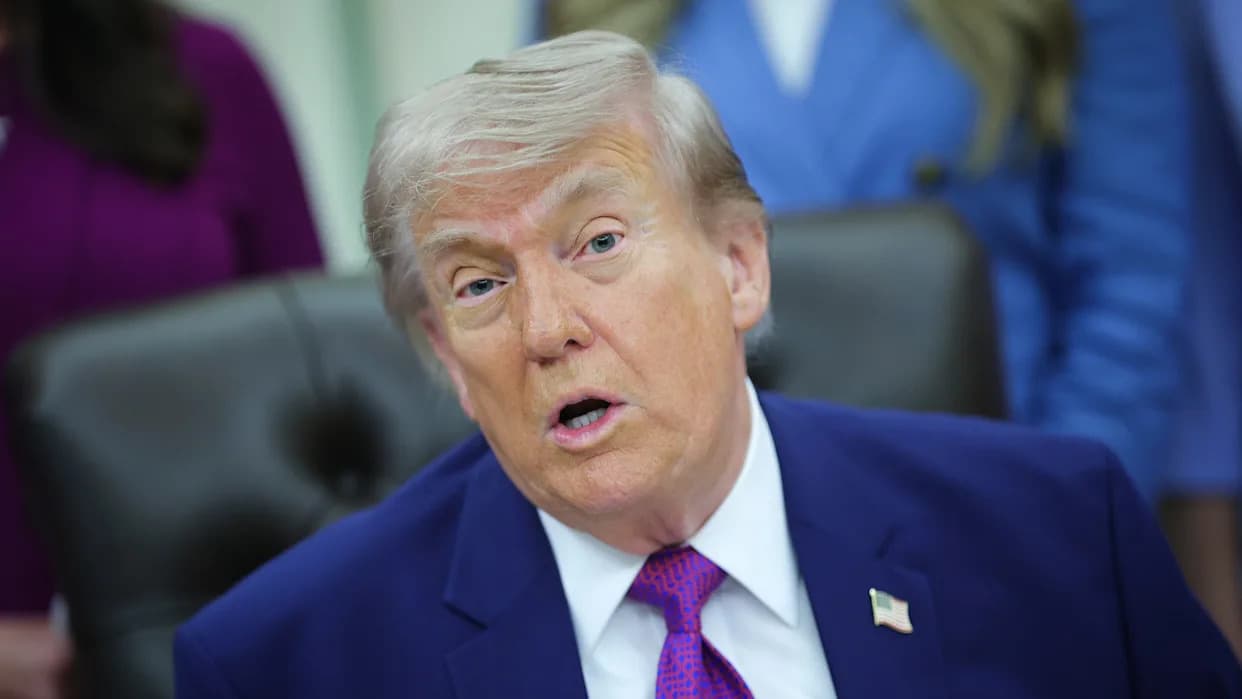
Kevin Dietsch/Getty Images
The East Wing ballroom envisioned by former President Donald Trump has transformed from a privately funded $200 million vision into an expanded, taxpayer-backed proposal approaching $1 billion — now being presented by the administration as a national security priority after an assassination attempt at the White House Correspondents’ Dinner.

Plans for the ballroom include drone-proof roofing, bulletproof glass windows and a bomb shelter. / Kevin Lamarque / REUTERS
What The Proposal Covers
According to reporting by Axios, the administration is expected to detail a package that folds the East Wing makeover into a broader Department of Homeland Security reconciliation request. The expanded plan earmarks hundreds of millions of dollars for security upgrades tied to the ballroom project, including:
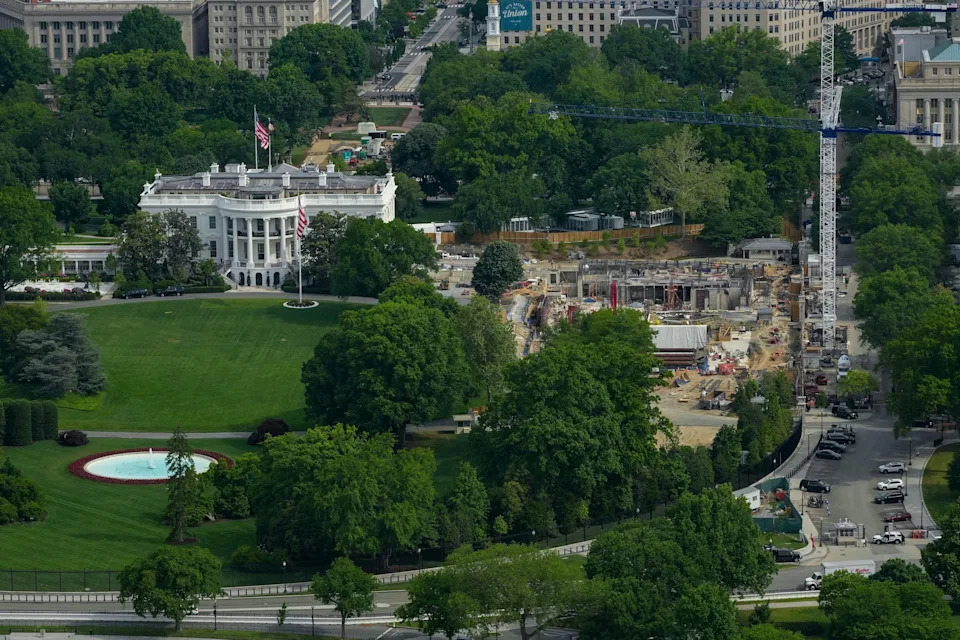
The White House Ballroom budget has ballooned from $200 million to a $1 billion spending proposal. / Ken Cedeno / REUTERS
- A large underground bunker beneath the ballroom;
- $220 million for "hardening" the White House with bulletproof glass, drone detection systems, and chemical-threat filtration and detection;
- $180 million for a new White House security screening facility;
- $500 million for United States Secret Service (USSS) training and protection operations;
- $100 million for security at high-profile national events.
Administration Rationale And Reaction
After surviving several plots and an attempted attack at the Correspondents’ Dinner, the president and White House officials have recast the ballroom as a security necessity rather than a standalone display project. "We looked at all of the conditions that took place tonight, and I will say, you know, it’s not a particularly secure building," Trump told reporters following the incident. White House spokesperson Davis Ingle told The Daily Beast that Congress has "rightly recognized the need" for additional funding to "harden the White House complex."
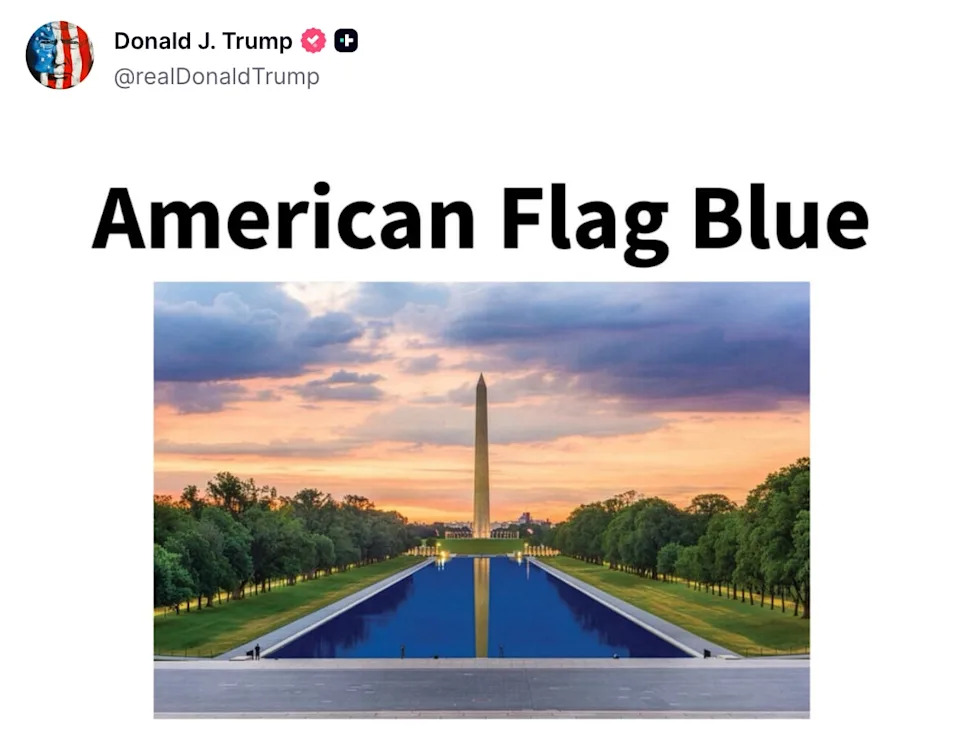
Trump took to Truth Social to tease his Lincoln Memorial project that he said former President Joe Biden allowed to deteriorate. / Donald Trump/Truth Social
"The proposal would provide the United States Secret Service with the resources they need to fully and completely harden the White House complex," Ingle said.
Despite that security framing, the ballroom itself has reportedly expanded in scope; Trump has boasted the space has "doubled in size" and claimed the project is "under budget and ahead of schedule," even as the overall spending request balloons toward $1 billion.
Political And Public Pushback
The rising price tag has alarmed lawmakers across the aisle. Some House Republicans worry the additions could imperil broader DHS negotiations; one White House official told Punchbowl News the package may struggle to secure the 218 votes needed on the floor. Public sentiment appears skeptical as well: an April ABC News/Washington Post/Ipsos poll found 56% of Americans opposed the plan while just 28% supported it.
The ballroom controversy also fits a pattern of high-profile, costly projects associated with Trump’s second term, from a proposed 250-foot "Arc de Trump" monument modeled on Paris’ Arc de Triomphe to an over-budget renovation of the Lincoln Memorial Reflecting Pool — a project that reportedly grew from an initial $1.8 million estimate to about $13.1 million, according to The New York Times.
What Comes Next
As officials prepare to unveil the formal East Wing proposal, lawmakers and the public will face a choice: accept the administration’s security rationale and fund a sweeping infrastructure and protection package, or reject the expansion as an improperly bundled vanity project that could derail wider DHS funding negotiations.
Help us improve.