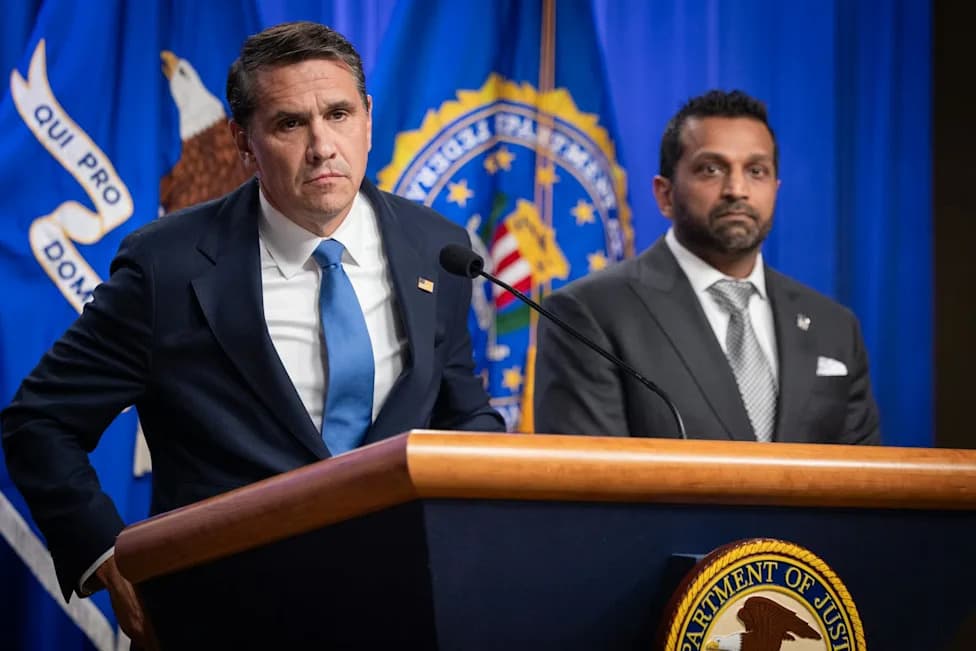
Defending Education alleges that the SPLC’s Learning for Justice program is embedded in K–12 instruction—including kindergarten—in 169 districts across 42 states and Washington, D.C. The watchdog says the program emphasizes identity, diversity, justice and collective action and that materials appear in curricula, teacher training, SEL and district policies. The SPLC has been indicted on 11 federal counts related to an alleged paid-informant program; the organization denies the charges and defends its work.
Watchdog: SPLC’s Learning for Justice Materials Appearing in Kindergarten Classrooms Across 169 Districts
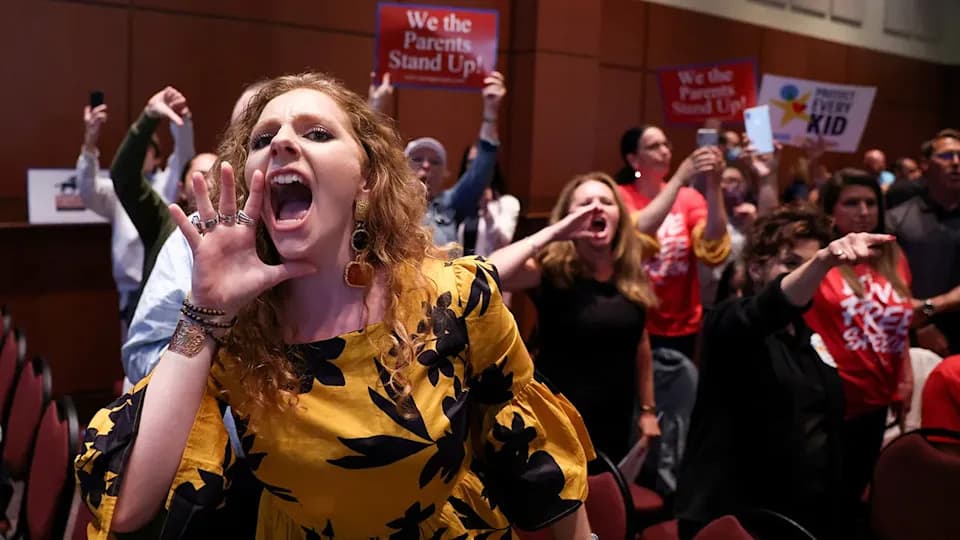
Angry parents and community members protest after a Loudoun County School Board meeting over critical race theory.(Reuters Photos)
An education watchdog group says materials from the Southern Poverty Law Center’s (SPLC) Learning for Justice program—formerly called Teaching Tolerance—have been incorporated into K–12 instruction, including kindergarten, in 169 school districts across 42 states and Washington, D.C. The findings come from a report published by Defending Education, an organization that the SPLC previously labeled an "extremist" group.
What the Report Alleges
Defending Education's report contends that Learning for Justice content appears on district websites, in teacher professional development, classroom lesson plans, district curricula, Social Emotional Learning (SEL) programs, and in district equity and antiracism policies. The watchdog describes the SPLC program as promoting what it calls "far-left cultural and political ideologies," and lists topics the report associates with the program, including anti-racism, Black Lives Matter, gender ideology, queer theory, white privilege, whiteness, and transgender issues.
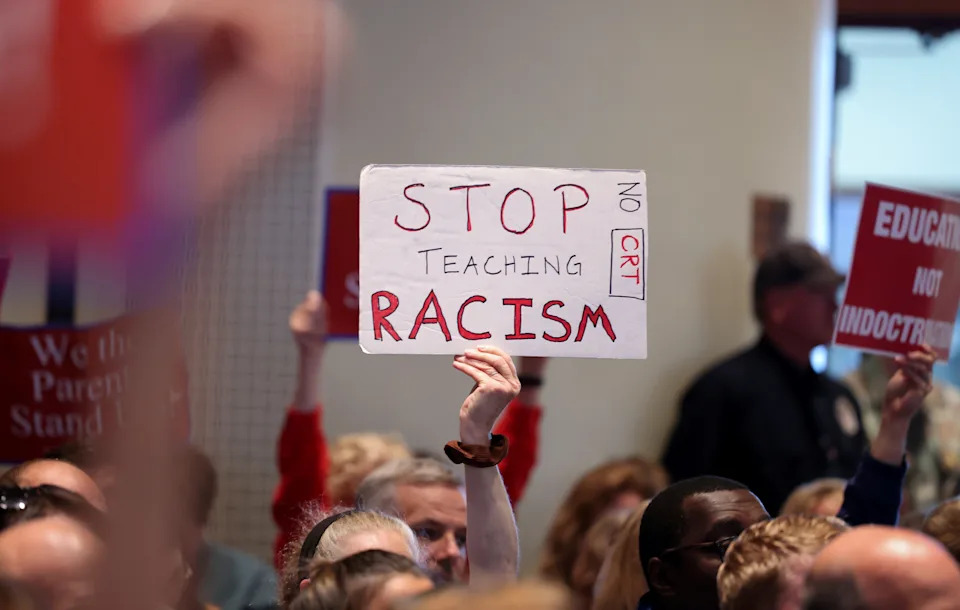
Opponents of Critical Race Theory attend a packed Loudoun County School board meeting in Ashburn, Virginia, on June 22, 2021, which erupted into chaos and led to two detentions.
Program Framework
According to the report, Learning for Justice organizes learning outcomes around four domains: identity, diversity, justice, and action. Under the "action" domain, students are encouraged to work with diverse peers to "plan and carry out collective action against exclusion, prejudice and discrimination" and to be "thoughtful and creative in our actions in order to achieve our goals," language the watchdog highlights as evidence of an advocacy focus.
Examples Cited
The report points to specific district uses in early grades: Cambridge Public Schools (Massachusetts) is said to have integrated the Social Justice Standards into junior kindergarten through fifth-grade physical education; Yonkers Public Schools (New York) reportedly used the standards in pre-kindergarten project-based learning units; and Princeton Public Schools (New Jersey) updated its early childhood curriculum using the framework. Defending Education also says state education agencies and cultural institutions reference Learning for Justice, including the New York State Education Department, the California Department of Education, the Illinois State Board of Education, Chicago Public Schools, and the Smithsonian’s National Museum of the American Indian.
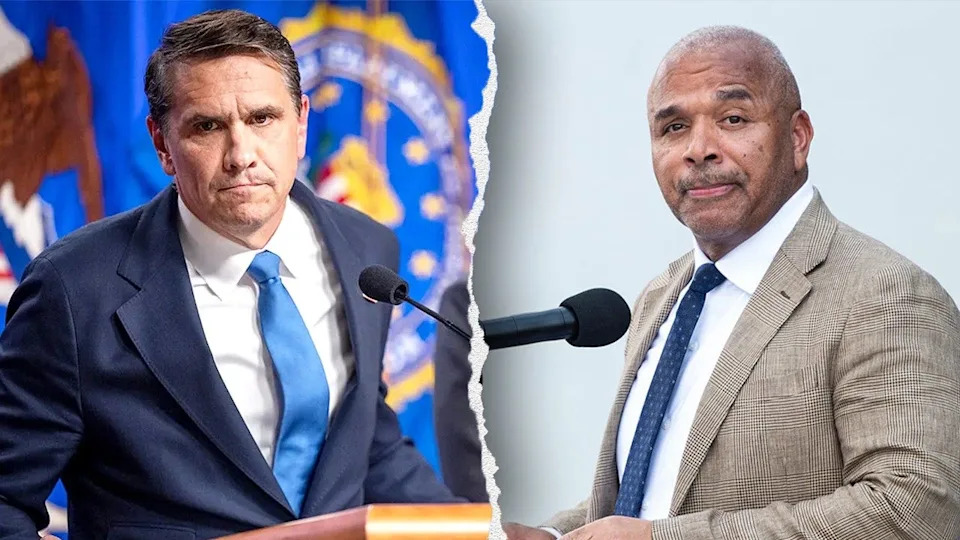
Acting Attorney General Todd Blanche, left, and SPLC interim President and CEO Bryan Fair are shown in a split image as the Justice Department pursues charges against the Southern Poverty Law Center.
"No organization that labels concerned parents as ‘extremists’ and members of ‘hate groups’ should have its biased content used in K–12 schools," said Rhyen Staley, director of research at Defending Education. Nicole Neily, the group's president, warned the materials have "poisoned pupils' minds" and asserted that identity-based frameworks have supplanted traditional coursework.
Legal Context and Responses
The report was published as the SPLC faces an 11-count federal indictment. The Department of Justice alleges wire fraud, false statements to a federally insured bank, and conspiracy to commit concealed money laundering tied to an alleged paid-informant program. The DOJ says roughly $3 million was routed to paid informants between 2014 and 2023; the indictment names individuals tied to extremist groups. The SPLC has denied wrongdoing and says its monitoring, including use of informants, has helped save lives.
Requests for Comment
Fox News Digital said it contacted the SPLC as well as the New York State Education Department, Smithsonian National Museum of the American Indian, California Department of Education, Illinois State Board of Education, Chicago Public Schools, Cambridge Public Schools, Yonkers Public Schools and Princeton Public Schools for comment. The SPLC did not provide a statement to the watchdog report; in other reporting the organization has defended its educational resources and disputed the allegations in the indictment.
Bottom line: The Defending Education report raises concerns about the reach and influence of Learning for Justice materials in early grades and district policies. School districts, educators, and parents may weigh the report’s findings differently; the allegations about classroom use and the separate federal indictment of the SPLC are both contested and under public scrutiny.
Help us improve.