
This five-year field experiment recreated Neolithic plaster burials using three donated human bodies to compare unplastered burials with gypsum and hydrated lime encasements. Both plasters formed hard casts that limited soil contact and slowed decomposition, but hydrated lime preserved the most soft tissue—leaving skin on the head, fingers, torso and abdomen. Red ochre largely faded in situ and was mainly detectable only in hair, raising questions about original pigment use and preservation conditions. The findings sharpen interpretations of plastered burials in the archaeological record.
Five-Year Experiment Recreates Neolithic Plaster Burials: Lime Preserves Soft Tissue, Ochre Fades
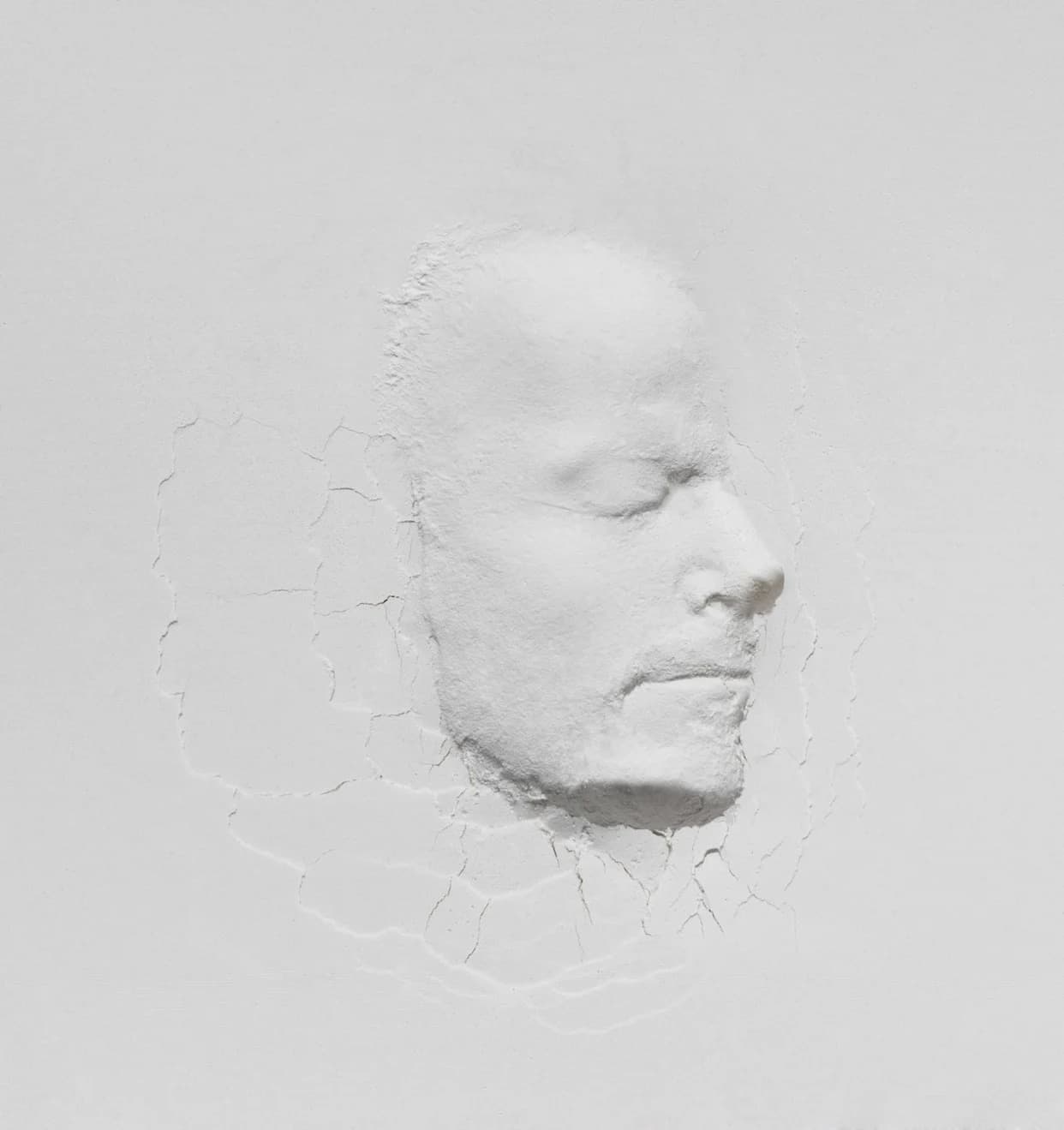
Scientists Buried Human Bodies in PlasterHenrik Sorensen - Getty Images
An international team of researchers recreated Neolithic plaster burials using donated human bodies to test how different plaster types affect soft-tissue preservation. Their five-year field experiment, published in the journal Archaeological and Anthropological Sciences, compared three scenarios: an unplastered burial, a burial encased in gypsum casting plaster, and a burial encased in hydrated lime plaster.
Why This Matters
Archaeologists frequently find traces of red ochre and plaster in Neolithic burials across Southwest Asia and the southern Levant. These materials have been interpreted as both symbolic (linked to life, blood or rebirth) and practical (used to protect, model or preserve the body). Until now, controlled experiments using human donors to test the taphonomic effects of different plasters had not been reported.
Materials and Methods
The team prepared three donated bodies to approximate plausible Neolithic treatments. Each was bound and painted with red ochre on the hair, scalp and upper arms. One body was left unplastered as a control, one was encased in gypsum casting plaster, and one was encased in hydrated lime plaster. All were interred in burial pits and left undisturbed for five years before careful exhumation and analysis.
Key Findings
Unplastered control: Almost completely skeletonized after five years. Only fragile fragments of soft tissue remained; hair—where ochre was still visible—had detached from the scalp. Very little ochre persisted on bone or surrounding sediment.
Gypsum plaster: The gypsum formed a hardened cast preserving impressions of facial features, hair, and rope bindings. The body was partially skeletonized; scalp and hair were detached but preserved within the cast. Ochre persisted mainly in hair, but had largely disappeared elsewhere. Termite activity was noted in some bones.
Hydrated lime plaster: Produced the strongest soft-tissue preservation. The lime cast preserved anatomical impressions similar to gypsum, but the individual retained patches of skin across the head, fingers, torso and abdomen. Scalp and hair were detached yet preserved, and ochre remained detectable in hair though not on underlying bone or skin surfaces.
Interpretation
Both gypsum and lime plasters limited direct interaction between body and soil and acted as barriers that reduced microbial activity and slowed decomposition. Chemically, lime (derived from heated limestone and then rehydrated) hardens through carbonation to form durable calcium carbonate and can alter moisture and pH, potentially inhibiting microbes. Gypsum (calcium sulfate hemihydrate) is more porous and more vulnerable to moisture-driven breakdown, which aligns with the observed differences in preservation. Overall, hydrated lime proved more resistant to water and more effective at preserving soft tissue in this experiment.
Ochre and Preservation
Red ochre—widely interpreted in archaeology as a deliberate symbol—largely faded in all three burials, persisting primarily in hair. This contrasts with some archaeological sites where large quantities of ochre survive, raising questions about original application rates, burial conditions, and why some ochre deposits persist while others do not.
“This experimental study offers an opportunity to understand early stages of decomposition in the presence of plaster—insights not otherwise obtainable from archaeological contexts,” the authors note.
Implications
The experiment demonstrates that prehistoric communities using plastered burials could have created durable casts that preserved anatomical impressions and, under some conditions, significant soft tissue. These findings refine interpretations of plastered burials in the archaeological record and prompt new questions about funerary practice, pigment use and post-burial chemical environments.
Reference: The results are published in Archaeological and Anthropological Sciences.
Help us improve.





















