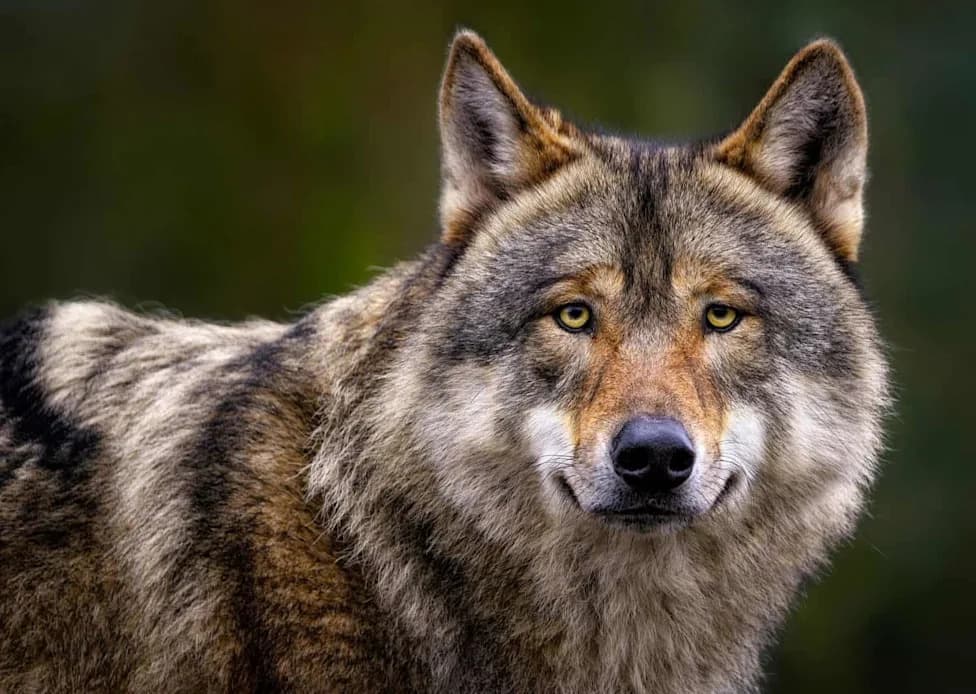
Colossal Biosciences says three recreated dire wolf pups — Romulus, Remus and Khaleesi — are healthy and of breeding age and are living on a protected 2,000‑acre site in the northern U.S. Researchers edited gray wolf DNA at 20 sites using ancient dire wolf samples (including remains dated ~72,000 and ~13,000 years old), implanted embryos in surrogate dogs, and delivered the pups by cesarean. The company highlights conservation applications for gene editing and reproductive technology, but some scientists call the animals hybrids rather than true restorations of the extinct species.
Colossal Says Recreated 'Dire Wolf' Pups Are Healthy and Ready To Breed
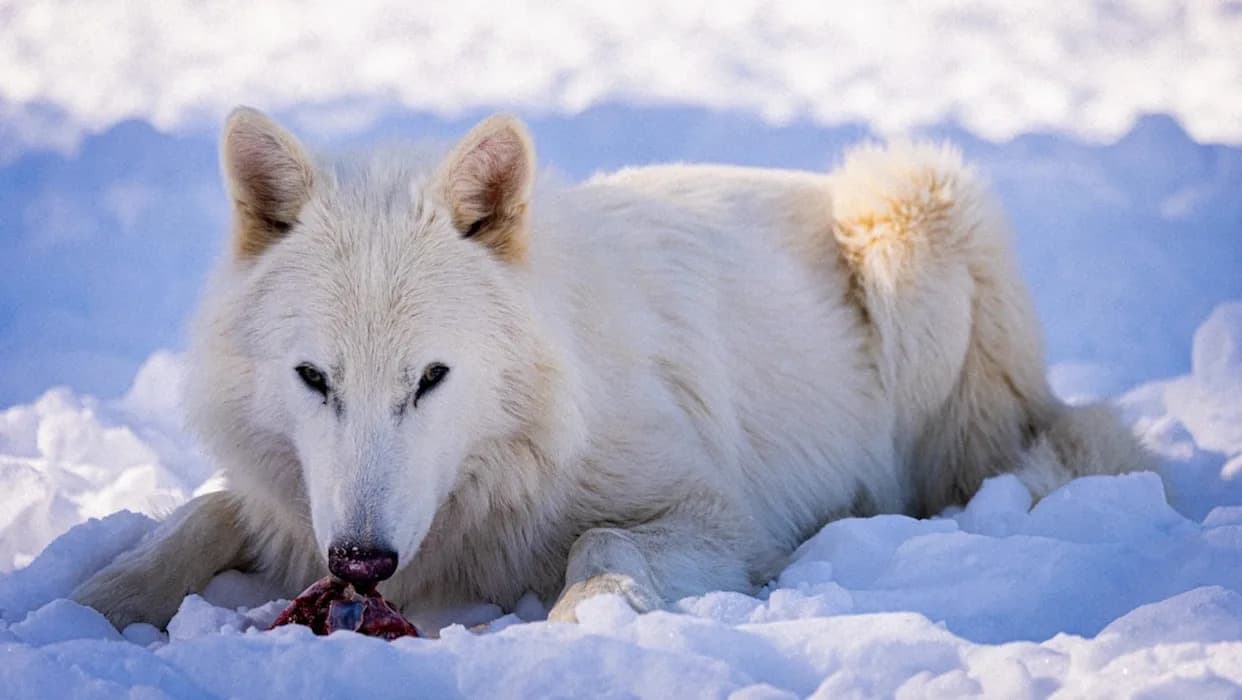
Photo Credit: Colossal Biosciences
Colossal Biosciences reports a new milestone in its high-profile conservation genetics program: three recreated dire wolf pups — Romulus, Remus and Khaleesi — are healthy, thriving and have reached breeding age. The animals are living on a protected 2,000-acre site in the northern United States in a semi-wild setting under continuous monitoring.
Science Behind The Project
Researchers compared genomic data from dire wolf remains (including an Idaho skull dated to about 72,000 years ago and an Ohio tooth dated to roughly 13,000 years ago) with the genome of the gray wolf, the species' closest living relative. After identifying the most consequential differences, the team edited gray wolf DNA at 20 specific sites to introduce traits associated with dire wolves — a paler coat, larger teeth, a heavier build and a distinctive howl.
How The Pups Were Brought To Life
According to the company, the edited cells were placed into dog egg cells and the resulting embryos were carried by surrogate domestic dogs. The pups were delivered by cesarean section to reduce the risk of birth complications.
Conservation Potential — And Controversy
Colossal and supporters argue the techniques used — gene editing, assisted reproduction and genetic-diversity management — could have practical applications for conserving endangered species alive today. Such projects also draw public attention to biodiversity loss amid habitat destruction, warming climates and declining prey populations.
“The plan is to create an inter-breedable population of dire wolves...to create a sustainable population of the world’s first de‑extincted species,” Chief Animal Officer Matt James said in a company statement. James added the pack is of breeding age but will initially be expanded through assisted reproduction while additional genetically diverse animals are produced.
At the same time, many scientists remain skeptical. Critics say these animals are better described as genetically altered hybrids rather than true restitutions of the extinct species. Colossal has acknowledged the process does not produce animals that are 100% genetically identical to the original dire wolf.
What's Next
Colossal has publicized broader plans targeting species such as the dodo, woolly mammoth, thylacine, moa and bluebuck, framing this work as part of a wider effort to combine advanced genetics with conservation goals. Co-founder and CEO Ben Lamm said the animals "are doing great" and the company hopes to have more dire wolf pups by the end of the year.
Whether these recreated animals will function ecologically like Pleistocene dire wolves remains uncertain. Paleontologists generally link the disappearance of dire wolves to climate change and declines in large prey — a reminder that de‑extinction efforts intersect with complex ecological and ethical questions.
Help us improve.