Media Matters for America announced that the FTC has withdrawn its investigation after nearly a year of litigation, marking the group's first respite from hostile probes in almost three years. The piece explains a coordinated playbook — regulatory pressure, state investigations, and private lawsuits — used to intimidate critics and chill journalism. Media Matters fought back in court, won injunctions, secured a favorable settlement, and helped create legal precedents cited in other challenges to the administration's tactics. The author warns the campaign continues, with Elon Musk's ongoing lawsuit remaining a costly unresolved threat.
How Media Matters Beat the Trump-Era FTC — And Why It Matters For Press Freedom
My organization fought Trump’s FTC and won. Here’s how
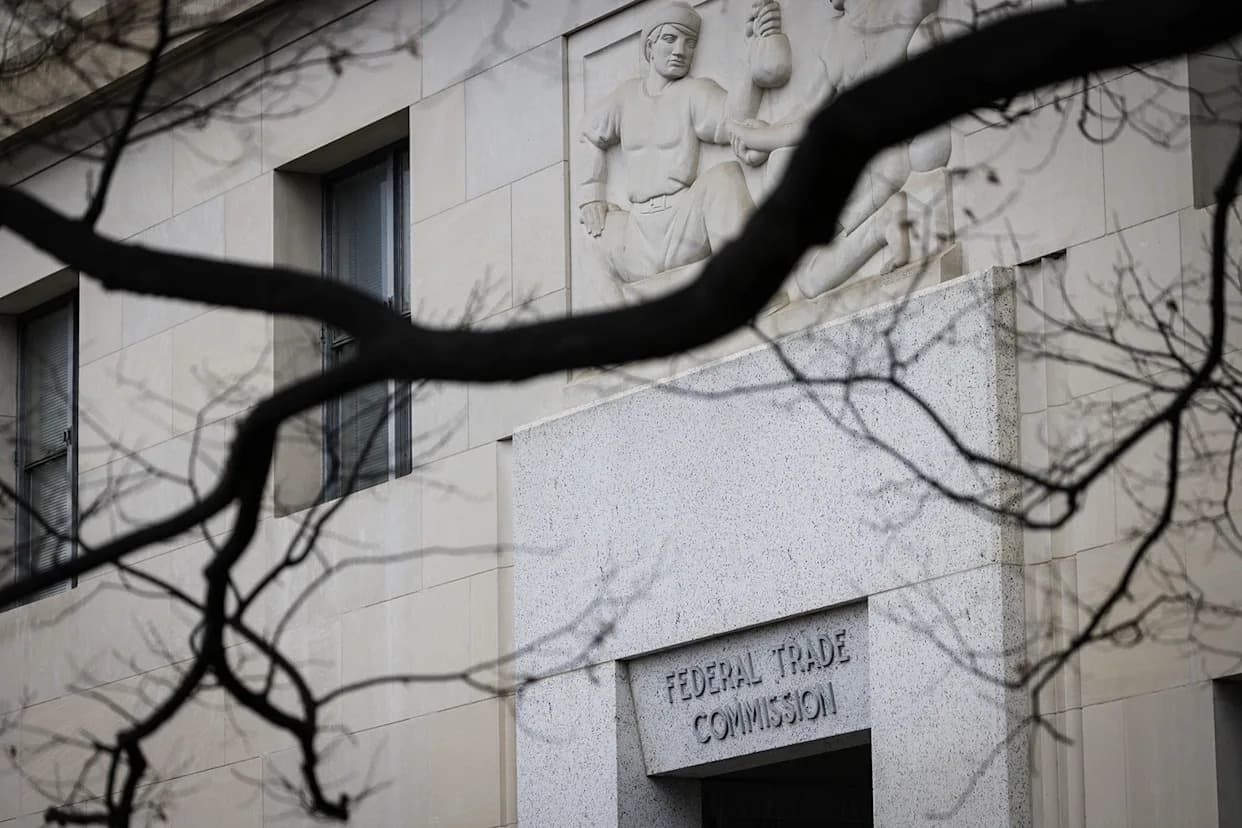
On Tuesday, the Federal Trade Commission withdrew its investigation into Media Matters for America, ending a nearly yearlong federal probe and marking the first time in almost three years that the organization is not the target of a hostile federal or state authority. That development is notable on its own. But the story behind how Media Matters pushed back — and the broader implications for journalism and civil society — are more consequential.
How The Playbook Works
The Trump administration, as the author describes, has developed a playbook that combines regulatory threats, retaliatory investigations, and private lawsuits to punish critics and exert control over media and other institutions. Targets are subjected to overlapping pressures until the legal and financial burden forces them to concede. Many organizations fold or comply in advance simply to avoid the gauntlet.
Examples of this pressure are stark: loyalists replaced parts of the Pentagon press corps; some Associated Press reporters were marginalized after refusing the administration's preferred phrasing for the Gulf of Mexico; and public broadcasting lost $1.1 billion in funding. The president urged the FCC to revoke broadcast licenses over unfavorable coverage, and the agency's chair reportedly used regulatory leverage against critics. The president also intervened in a merger dispute that helped put political allies in control of a major news network.
Industry Acquiescence
Too many media companies and big corporations have accommodated these pressures. ABC and CBS settled lawsuits that legal experts said lacked merit. To secure regulatory approval for its Skydance merger, Paramount agreed to install a so-called "bias monitor" at CBS News. And two major advertising companies, while facing FTC scrutiny of their merger, accepted a consent decree that restricted political boycotts.
Media Matters' Legal Response
Media Matters faced intertwined attacks long before this most recent FTC action. In 2023, Elon Musk filed a self-described "thermonuclear" lawsuit after Media Matters reported that brand advertising appeared alongside pro-Nazi content on X. Spurred in part by senior advisers, the attorneys general of Missouri and Texas opened parallel investigations aligned with Musk's litigation; Media Matters defeated both state probes. (Missouri's former attorney general, Andrew Bailey, later became co-deputy director of the FBI.)
When the FTC issued a civil investigative demand in May 2025, Media Matters did not wait to be ground down by process. The organization sued to block what it characterized as a retaliatory inquiry. The lawsuit was not merely self-defense: it challenged the premise that private parties could never obtain court relief to restrain politically motivated government probes.
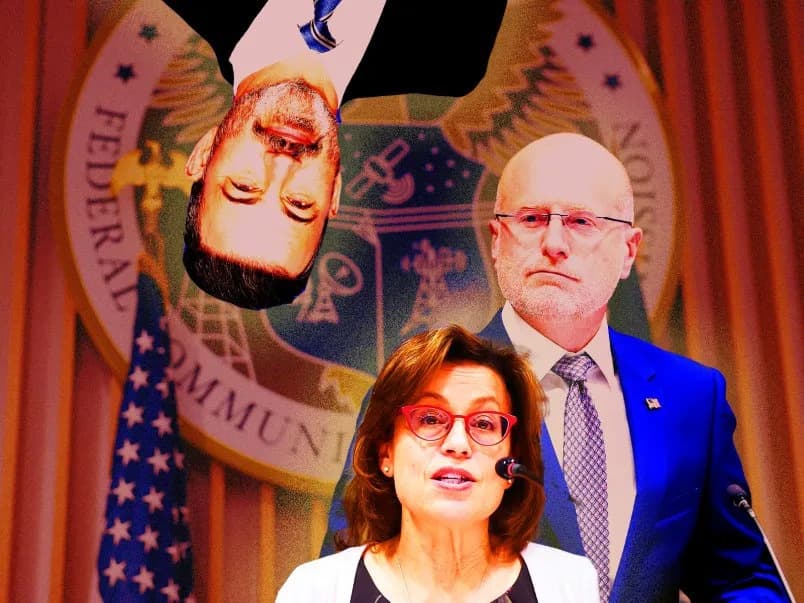
As FTC Chair Andrew Ferguson acknowledged in a 2025 speech, the agency's tools can be costly for those targeted — an explicit admission that the burdens of process are part of the strategy to make people "knuckle under."
Settlement And Wider Impact
After nearly a year of litigation, the FTC agreed to an unusually favorable settlement: the agency withdrew its investigation and promised not to pursue Media Matters in the same manner in the future. Media Matters had earlier secured multiple court victories, including injunctive relief, and helped establish precedents that make it harder for the FTC to deploy similar tactics. Some of those rulings have already been cited in 28 separate cases challenging alleged overreach by the administration.
These legal outcomes provide protections for other organizations — newsrooms, nonprofits, and civil-society groups — that might otherwise be vulnerable to plainly retaliatory investigations. But the broader campaign remains active on multiple fronts: state power and private litigation are complementary axes designed to drain resources, deter scrutiny, and punish dissent.
What Comes Next
One unresolved threat is Elon Musk's ongoing lawsuit, which started this sequence and has cost Media Matters significant time and resources. Whether pressure comes from a federal agency or the world's richest individual, the objective is the same: to make investigative journalism and public-interest scrutiny more difficult and expensive. Media Matters' victory is significant, but it is only one battle in a continuing struggle to protect free speech and independent reporting.
Note: This article was originally published on ms.now.
Help us improve.