
Residents of northeast Ohio reported a fireball and sonic boom on March 17, 2026; NASA and the National Weather Service confirmed a meteor caused the event. NASA said the object traveled about 45,000 mph — "slow for a meteor." Common myths debunked: meteorites are often cold at impact; thousands of small meteorites fall each year; telescopes are not useful for watching showers; and most meteorites are too small to make craters. Large, damaging impacts are possible but exceptionally rare.
What Happened When a Meteor Rattled Northeast Ohio — 4 Common Meteor Myths, Debunked
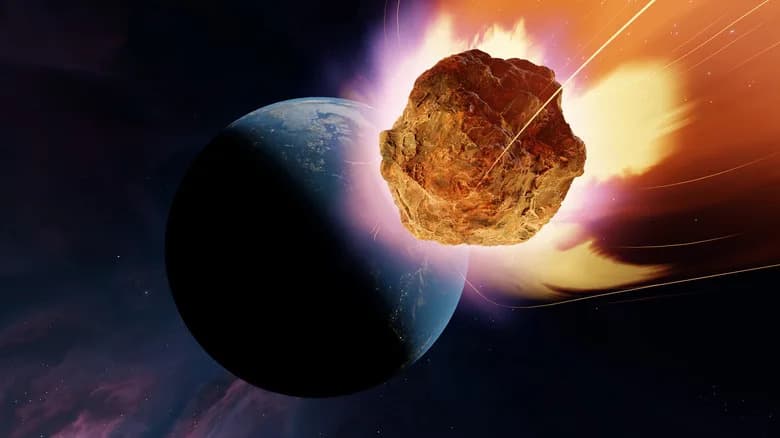
Meteor burning up as it approaches Earth's atmosphere - Angel_nt/Getty Images
On the morning of Tuesday, March 17, 2026, residents across Medina County and surrounding parts of northeast Ohio awoke to a loud sonic boom and, in many places, a bright fireball streaking across the sky. Witnesses reported both a flash and a rumble as the object passed overhead.
What Officials Confirmed
Both the National Weather Service and NASA confirmed the event was caused by a meteor. NASA spokesperson Bill Cooke told News 5 Cleveland the object was traveling roughly 45,000 mph as it crossed the Ohio sky — a velocity Cooke called "slow for a meteor." The blast people heard was a sonic boom produced when fragments decelerated and exploded in the atmosphere.
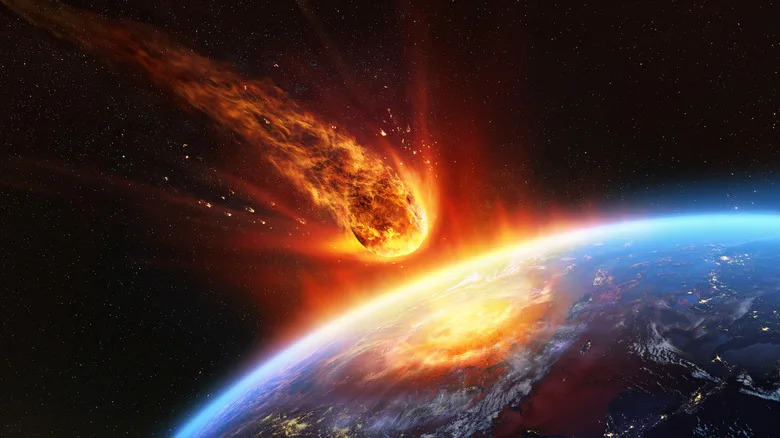
Large fireball meteor approaching Earth - Romolotavani/Getty Images
Four Meteor Myths — Corrected
1. "Meteors Aren't Really Fireballs"
Meteors often look like fireballs because they literally shine as they enter Earth’s atmosphere. Friction and compression heat the air and the meteor's outer layers, causing material to ablate and produce a bright trail. That luminous display is the meteor burning and shedding mass during descent.
2. "Meteorites Should Be Scorching Hot"
Contrary to intuition, meteorites that reach the ground are frequently cool or even cold. The intense heating mainly affects the thin outer layer; most heat is radiated away during the fall, and the interior can remain cool. As Bill Cooke noted, many meteorites are "quite cold" at impact — you can pick them up — though handling them correctly is important.
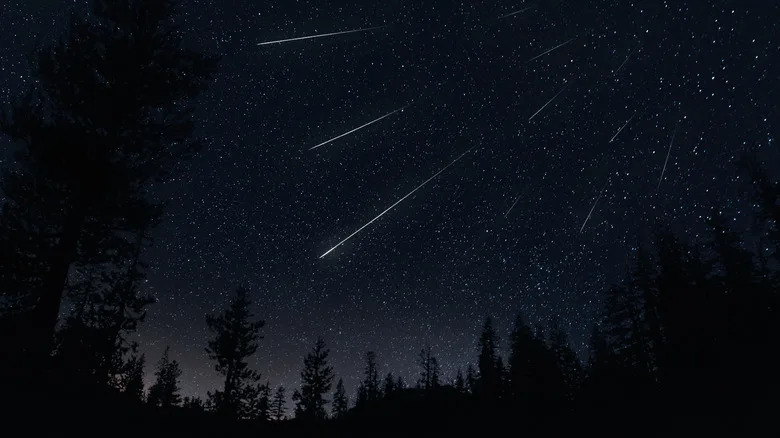
Several meteors streaking across the night sky - Bymuratdeniz/Getty Images
Handling Tip: NASA discourages bare-hand handling to avoid contaminating or damaging specimens. Use gloves, tongs, or aluminum foil and store samples in a sealed bag. If you think you found a meteorite, document the location, photograph the find, and contact local universities, museums, or established meteorite groups for guidance.
3. "Meteorite Strikes Are Extremely Rare"
Thousands of meteorites fall to Earth every year, but most are tiny and burn up during atmospheric entry. Large, damaging impacts are very uncommon — which is why dramatic events like the 1908 Tunguska airburst are exceptional and not representative of typical meteor activity.
4. "Every Meteor That Hits Earth Makes a Crater"
Most meteorites that reach the surface are too small to leave visible craters. The Moon’s heavily cratered surface owes to its lack of atmosphere (so small objects strike the surface directly) and the absence of Earth-like erosion and tectonic processes that erase impact marks over time.
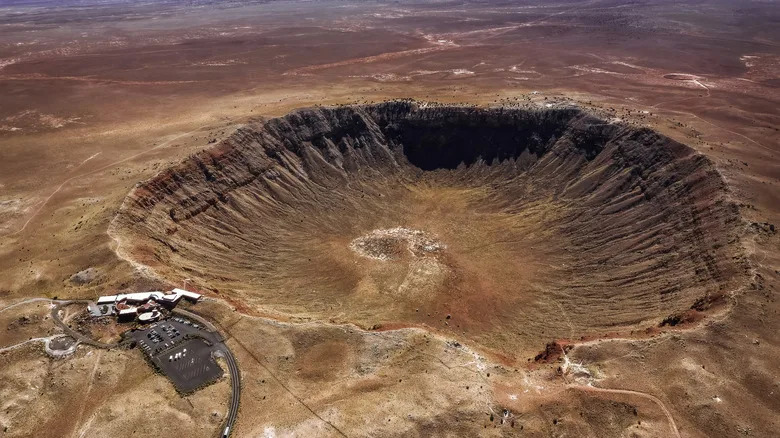
Large meteor crater in Arizona desert - Dominic Jeanmaire/Getty Images
Risk And Historical Context
While meteors can be dangerous in principle — the 1908 Tunguska event flattened roughly 830 square miles of forest — such catastrophic airbursts are exceptionally rare. Documented human injury from meteorites is extremely uncommon; a famous case from 1954 involved an eight‑pound meteorite that crashed through a home in Alabama, bruising the occupant. These incidents are extraordinary outliers among the thousands of small meteorites that fall each year.
How To Watch Meteors
For casual observers, meteor showers (for example, the Perseids in August) provide the best chance to see multiple meteors. Use your unaided eyes rather than binoculars or telescopes: optical magnification narrows your field of view, while meteors can appear anywhere overhead. Find a dark, open spot, lie back, and let your eyes adjust to the dark.
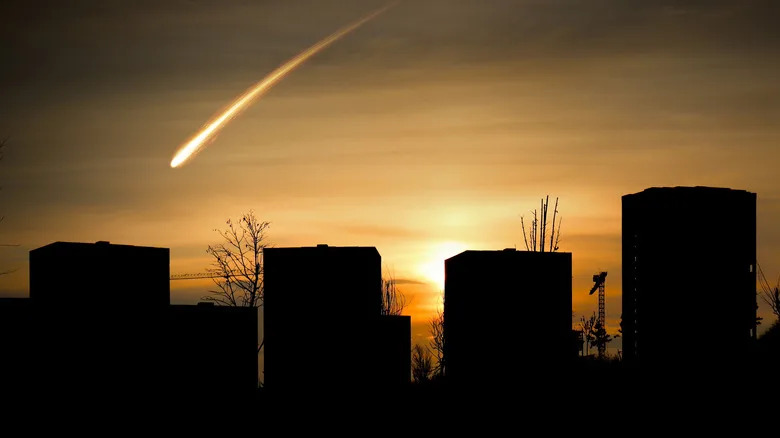
Meteor falling down against city skyline - Gergitek/Shutterstock
Final Takeaway
The March 17, 2026 Ohio event highlights both the dramatic sights and the practical realities of meteors: high speeds, atmospheric heating, fragmentation, and that only a tiny fraction of an object’s original mass typically reaches the ground. With reliable information from NASA and the National Weather Service, you can appreciate these events without giving in to common misconceptions.
If You Find a Suspected Meteorite: Document the find, avoid bare-hand contact, store it carefully (gloves, foil, or sealed bag), and contact local scientific institutions or recognized meteorite organizations for identification and custody guidance.
Help us improve.





















