Justice Neil Gorsuch called the U.S. a "creedal nation," arguing the country is held together by the Declaration's ideas rather than a single religion or ethnic culture. His remarks provoked a sharp backlash from dissident right influencers and some MAGA-aligned commentators who favor ethnic or traditional definitions of nationhood. Polling from YouGov and Gallup shows most Americans emphasize legal and ideological markers—like obeying laws and supporting the Constitution—when defining national identity. The piece argues that culture is the vehicle for transmitting civic commitments, but preserving America's plural civic culture requires defending its creedal principles, not abandoning them to a politics of dominance.
Gorsuch, Creedal Nation, And The Right-Wing Backlash: What Really Makes America Great
Right-Wing Influencers Don't Understand What Makes America Great
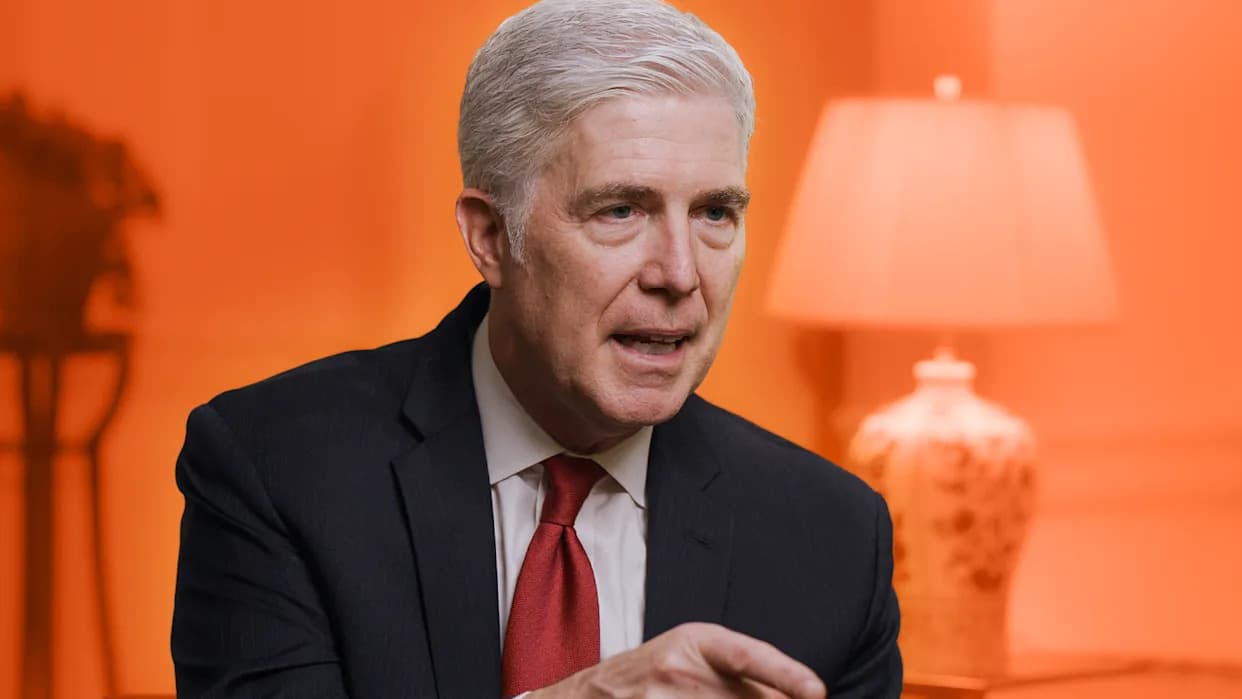
Supreme Court Justice Neil Gorsuch set off a fierce reaction from dissident right influencers after describing the United States as a "creedal nation" in a recent interview. Gorsuch summarized his view of America's founding by pointing to three core ideas in the Declaration of Independence: equality, inalienable rights "given to us by God, not government," and self-rule. "Our nation is not founded on a religion. It's not based on a common culture, even, or heritage. It's based on those ideas," he said.
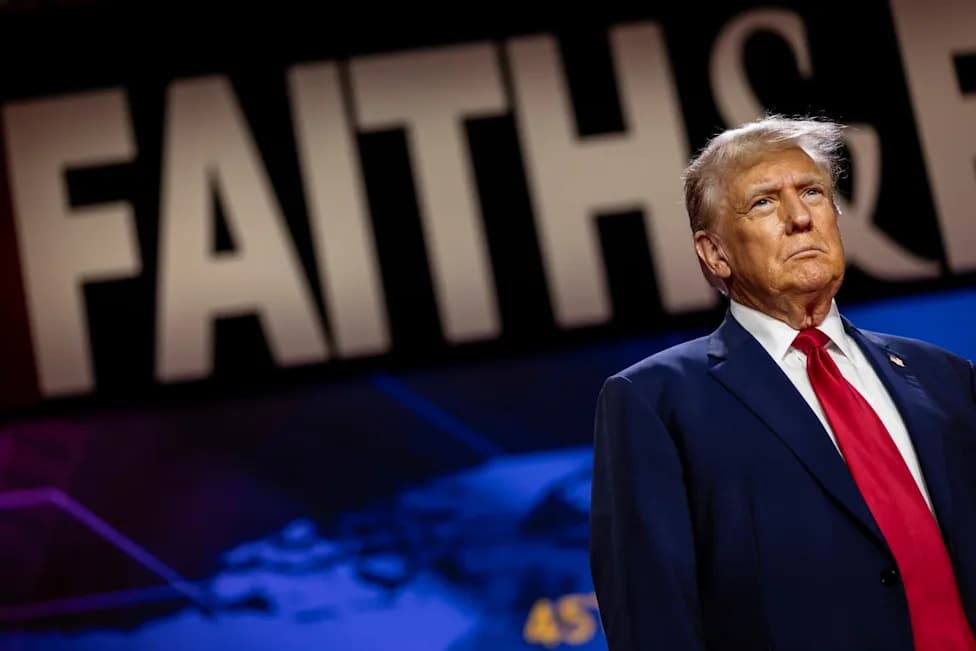
Responses ranged from reasoned disagreement to outright hostility. Online commentators and several prominent MAGA-aligned voices accused Gorsuch and parts of the conservative legal establishment of abandoning ethnic or traditional conceptions of nationhood. Social-media posts—some anonymous or jokey, others from former officials and commentators—mocked or denounced the Justice's formulation.
"The fact that this nonsense is being spouted by 'the best' of Trump's three Supreme Court nominees is indicative of the broad intellectual failure of the conservative legal movement," wrote commentator Jeremy Carl on X after criticism of his earlier remarks led him to withdraw from State Department consideration.
Other critics included a range of accounts and personalities: a pseudonymous poster who urged conservatives be "launched into the sun," a former administration official who framed the comments as excluding native-born Americans in a misleading way, and bloggers who dismissed the remarks as evidence of weakness. Some MAGA commentators have also disparaged Justice Amy Coney Barrett and expressed public regret over relying on the Federalist Society—long a credentialing body for conservative judicial picks—when making judicial selections.
Creedal Nationalism Is Broadly Mainstream
Yet the view Gorsuch articulated—often called civic or creedal nationalism, the idea that the United States is held together by shared political principles rather than blood or religion—is long-standing and widely held across the political spectrum. Advocates and defenders of a propositional nation include figures as ideologically diverse as Vivek Ramaswamy, scholars like Gordon S. Wood, and some senior fellows at the Heritage Foundation citing writers such as G.K. Chesterton. The Catholic theologian John Courtney Murray famously described the United States as a "propositional nation" grounded in ideas.
Polling data support the prominence of legal and ideological markers in how Americans define national identity. YouGov found that respondents most commonly identified obeying U.S. laws, supporting the Constitution, and believing in the Declaration's principles as what makes someone an American. Gallup similarly reported strong majoritarian agreement with the idea that diversity of races, religions, and cultures strengthens the United States.
Culture Matters—But Not As An Ethnic Litmus Test
That said, minimising culture entirely is unwise. The United States does not require an ethno-religious monoculture: Americans differ widely in religion, food, music, and customs and still belong to the national project. Those plural cultural expressions are compatible with creedal national identity.
At the same time, some cultural consensus is essential. A stable republic depends on a shared civic culture that transmits attachments to liberty, equal treatment under law, and mutual forbearance—the civic restraint that permits people with deep disagreements to coexist peacefully. These civic commitments are passed down through social norms, institutions, education, and everyday civic practices; culture is the vehicle, creed is the content.
Extremes on both ends of the political spectrum imperil that project. The Dissident Right's embrace of a "will-to-power" politics and its rejection of mutual forbearance would substitute dominance for persuasion and civic loyalty—sacrifices that would undermine the very creed it claims to preserve. Likewise, other illiberal tendencies on the left or right that erode respect for pluralism and rule of law pose similar risks.
Defending America's strength means defending both its creedal commitments and the cultural practices that sustain them. You cannot preserve a plural, open civic culture by abandoning the ideas that make inclusion and equal citizenship possible.
Originally published at Reason; this version clarifies responses, sharpens distinctions between culture and creed, and situates polling evidence for a wider audience.
Help us improve.