Thousands have fled renewed fighting in Sudan’s Blue Nile state, overwhelming camps such as Al-Karama 3 in Damazin. Displaced families face severe shortages of food, shelter and healthcare — a five-year-old boy with malaria highlights critical gaps in treatment. Analysts say Blue Nile has become a central battleground whose control could shape power in central Sudan, while UN warnings cite overcrowding, poor sanitation and funding shortfalls that hamper aid efforts.
‘No Medicine For My Son’: Blue Nile Becomes New Frontline As Displaced Families Struggle To Survive
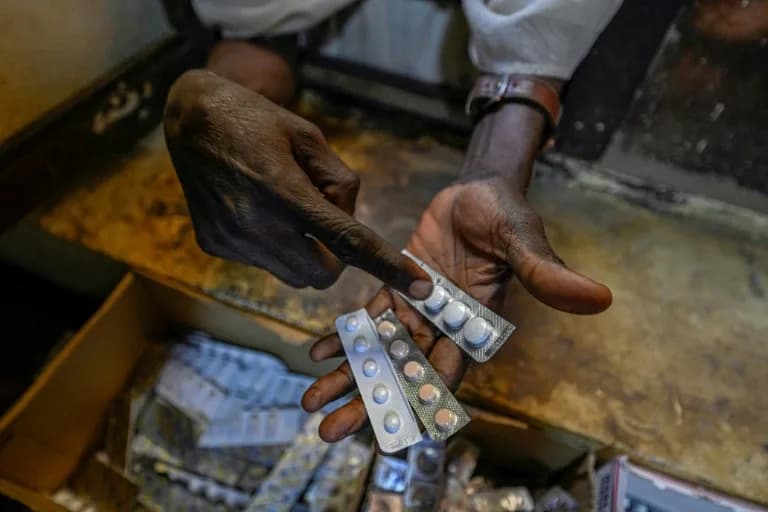
A person receives free medication in Sudan's capital. In Blue Nile to the south, displaced people have reported shortages of medicine and food (Khaled DESOUKI)(Khaled DESOUKI/AFP/AFP)
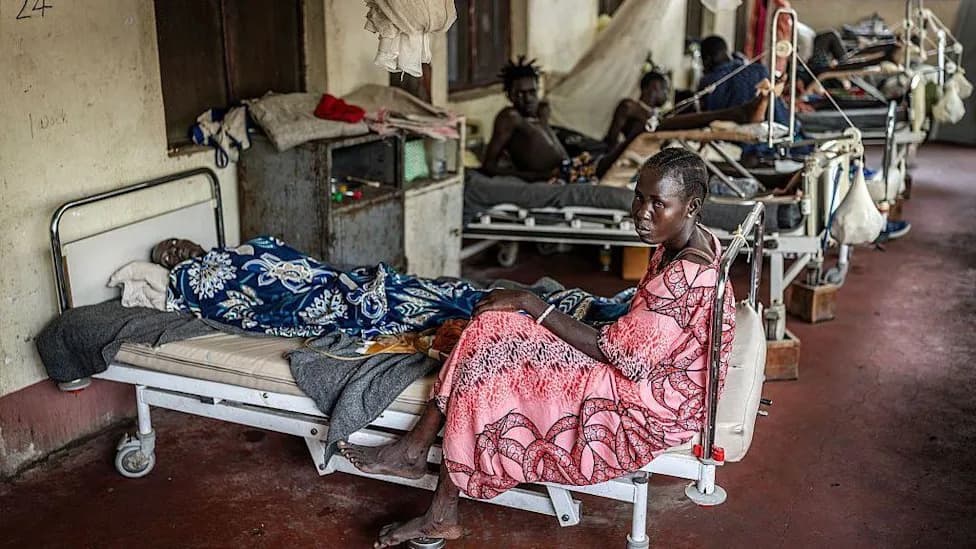
In an overcrowded displacement camp in Sudan’s Blue Nile state, 38-year-old Awatif Awad is fighting to keep her five children alive as the region turns into a new front in the country’s three-year war. Al-Karama 3 camp in the state capital El-Damazin now shelters thousands who fled a recent surge of fighting between Sudan’s army and the paramilitary Rapid Support Forces (RSF).
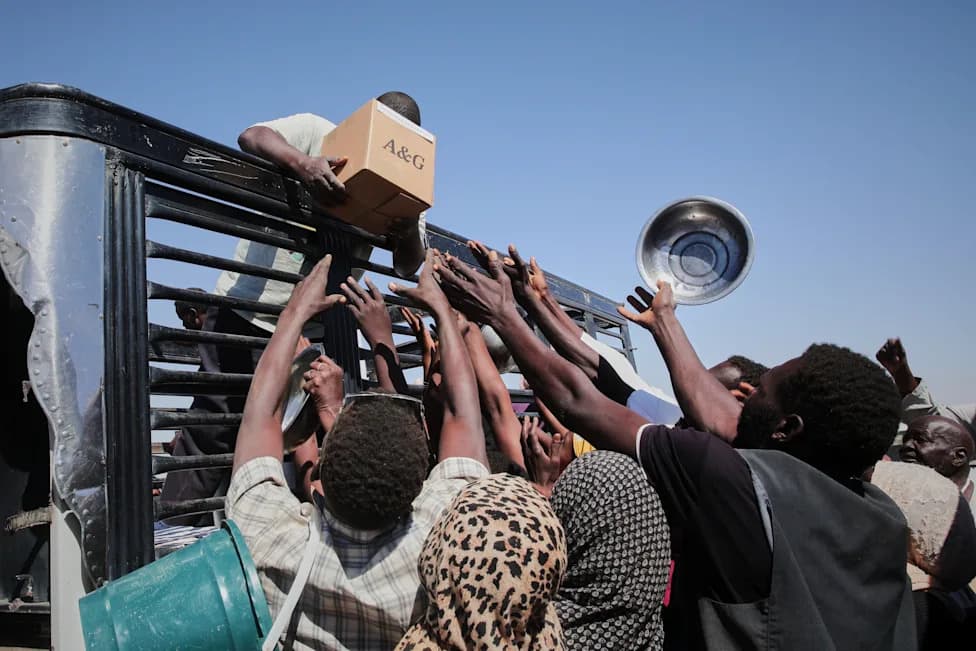
“We are only given one meal a day,”Awad told AFP by phone.
“My son is five years old. He has malaria. There is no medicine for my son.”
The clashes in Blue Nile intensified earlier this year, only months after paramilitary fighters seized El-Fasher in western Darfur. Since then the conflict has pushed east into southern Kordofan and Blue Nile, a resource-rich border region next to Ethiopia and South Sudan that also serves as a strategic supply corridor.
Sudan’s regular army is fighting the RSF and allied elements of the Sudan People’s Liberation Movement-North (SPLM-N). Control of the state is divided between rival forces, and analysts warn Blue Nile’s fate could influence control of central Sudan.
Under Strain
Humanitarian needs are acute. Jalale Getachew Birru, a senior analyst at the US-based Armed Conflict Location and Event Data project (ACLED), said at least 450 people were killed in Blue Nile between January and March — the deadliest period since 2023. Local officials estimate more than 150,000 people have been displaced across Blue Nile since April 2023, with roughly 100,000 sheltering in Damazin alone.
Karama 3 and other displacement sites in Damazin, Roseires and Baw have taken in around 30,000 people since January, overwhelming services that were already limited. Shelters are improvised from plastic sheeting, straw and scrap materials. Photos circulated by local volunteers show women holding children close while queuing for meagre food rations and water.
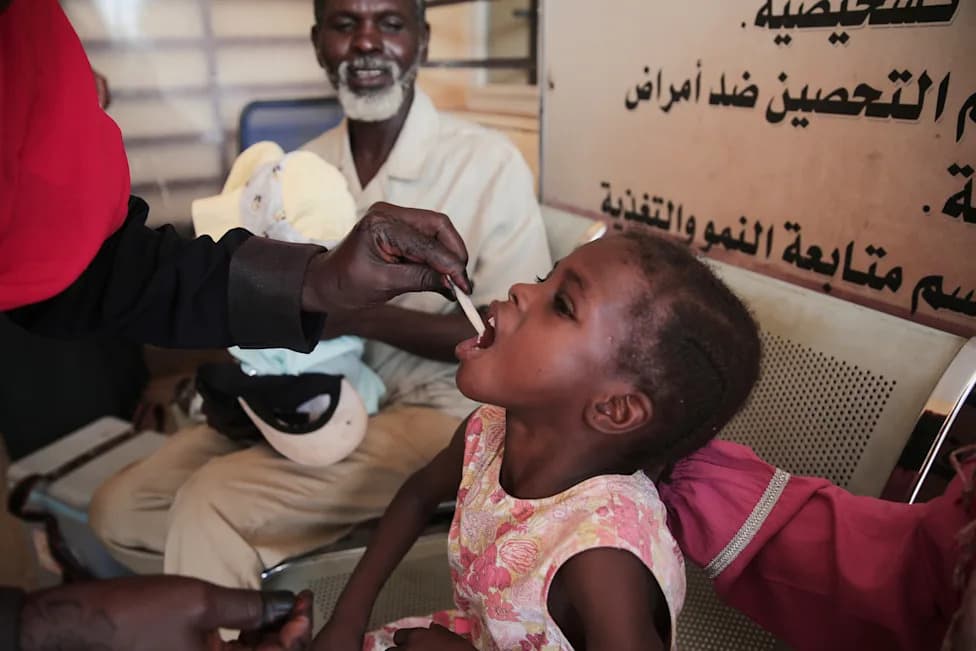
Medical care is scarce. There is no clinic near many camps, and transport to Damazin’s hospital often depends on a single battered motorised rickshaw. Volunteers and local monitors report community-run emergency rooms that provided food and basic healthcare were ordered shut last month, leaving many without treatment.
“We Are Scared”
Residents also fear seasonal flooding.
“We are scared of the rains,”said 33-year-old Mahasin Abdelhamid, who fled Kurmuk and now shares a tent with dozens of families. With the rainy season due to start, she warned that tents and makeshift shelters will not protect families from floods and disease.
A recent UN assessment cautioned that overcrowding, poor sanitation and rising risks of gender-based violence make conditions worse. Denise Brown, the UN humanitarian coordinator, said funding shortfalls, insecurity and access constraints are crippling aid efforts: agencies cannot scale up quickly enough to meet rapidly increasing needs.
Wider Risks
The conflict also risks regional escalation. Sudan has accused Ethiopia and the United Arab Emirates of launching drone strikes from Ethiopian territory on several states, including Blue Nile — allegations both countries deny. Analysts warn that an expanded conflict would further imperil civilians and could undermine health, maternity care and education in the region.
As front lines shift and displacement grows, families like Awad’s face a dire choice: remain in increasingly dangerous areas without services, or flee to overcrowded camps with scant food, shelter and healthcare. Humanitarian actors say urgent, sustained access and funding are needed to prevent conditions from deteriorating further.
Help us improve.