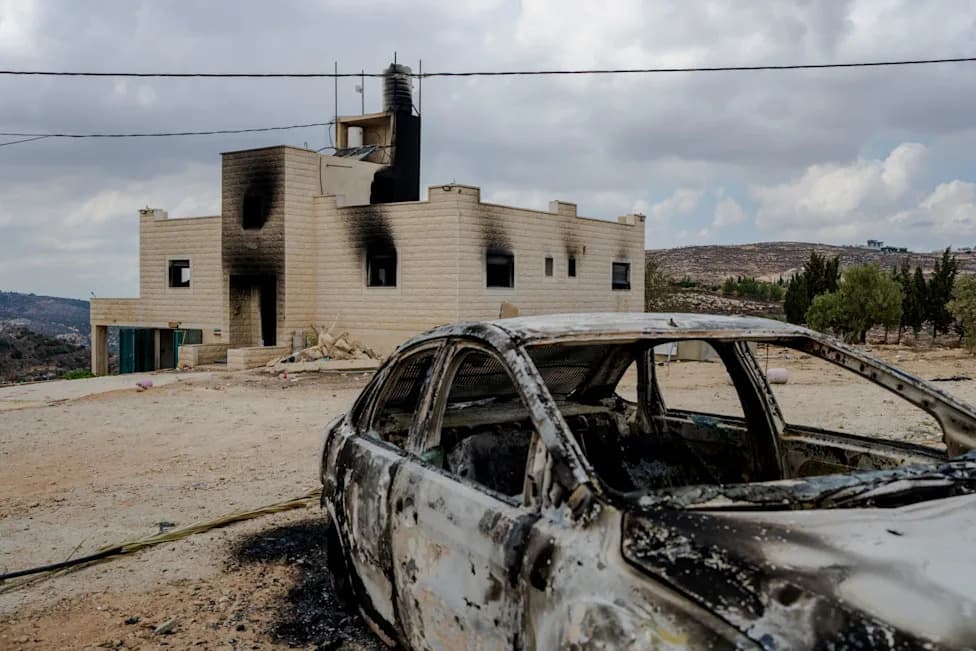
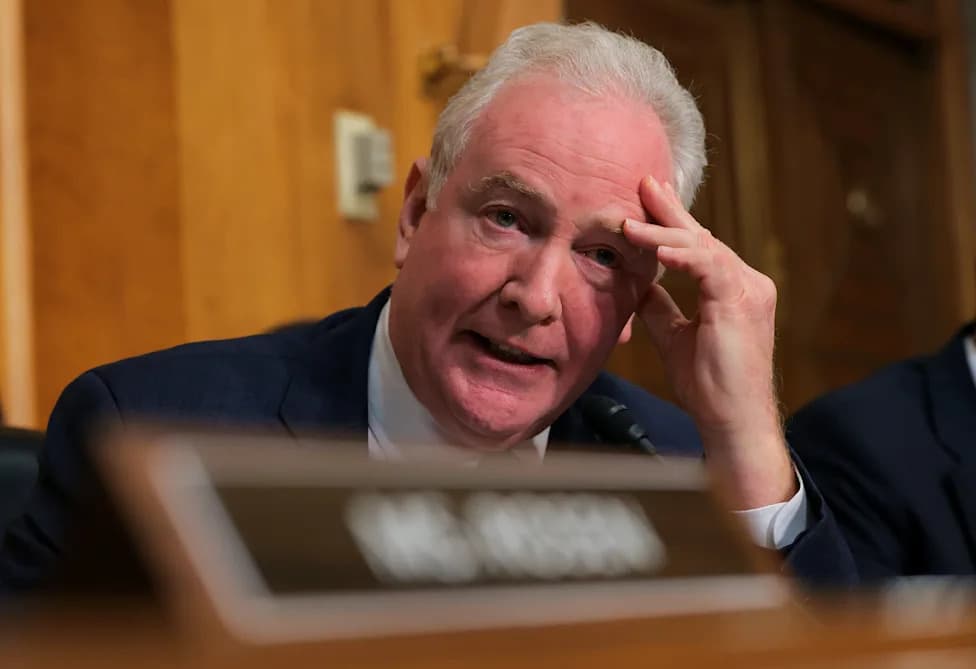
U.S. senators have asked CENTCOM commander Brad Cooper to disclose whether American forces provided support — including refuelling or intelligence — for Israeli "evacuation zones" in Lebanon, Gaza and Iran, warning such tactics may violate international law. The letter focuses on Israeli operations in southern Lebanon, where lawmakers say towns have been depopulated and many buildings demolished. Signatories include both progressive and centrist senators, and a related War Powers resolution has been introduced in the House. The inquiry adds to growing scrutiny in Washington as the U.S. continues significant military aid to Israel.
U.S. Senators Press CENTCOM Over Possible Role in Israel’s ‘Evacuation Zones’ in Lebanon, Gaza and Iran
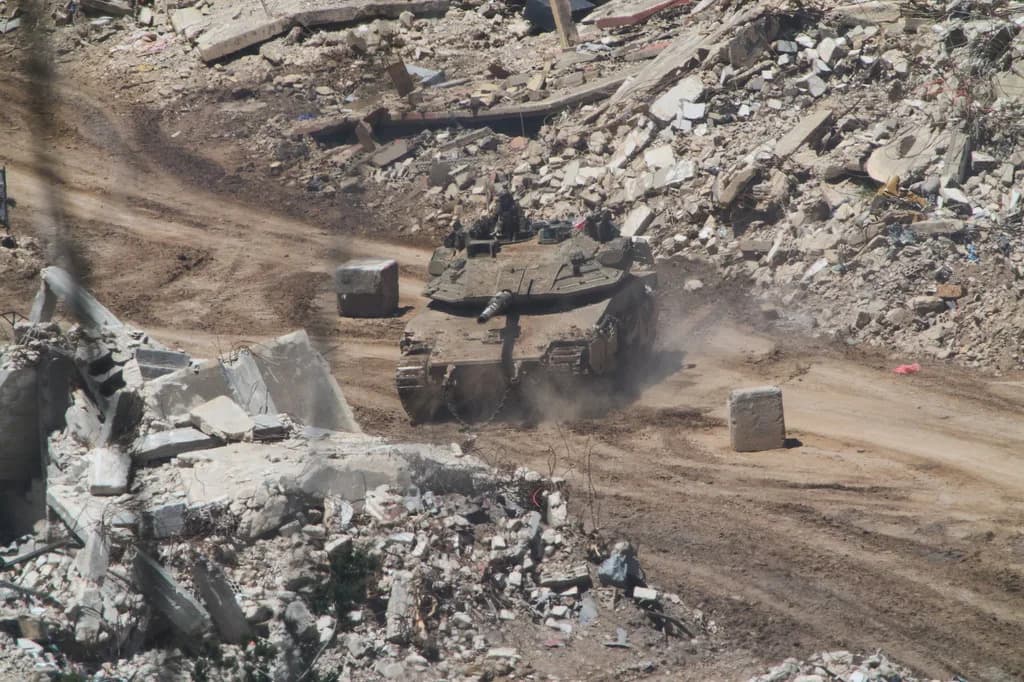
Israeli soldiers drive a tank in southern Lebanon, as seen from northern Israel, April 29 [Ariel Schalit/AP Photo]
Twelve U.S. senators have sent a detailed letter to Brad Cooper, commander of U.S. Central Command (CENTCOM), seeking answers about any American military involvement in the creation or enforcement of large "evacuation zones" in Lebanon, Gaza and Iran. The lawmakers warned that mass displacement orders could violate international law and asked CENTCOM to clarify whether U.S. forces provided support such as refuelling, intelligence, or other assistance.
Senators' Concerns and Key Questions
The correspondence — sent on Monday and published on Thursday — focuses primarily on Israeli operations in southern Lebanon. Senators say Israeli forces have depopulated numerous border towns and carried out large-scale demolitions, and they asked whether CENTCOM forces have played any operational or enabling role.
“The declaration of military evacuation zones has been used to permanently displace people and destroy homes and towns — acts that are in violation of international law,” the letter states. It adds that evacuation or so-called “kill zones” do not relieve U.S. or Israeli forces of the obligation to verify that each individual or facility targeted is a lawful military objective.
Among the specific questions, the senators asked whether CENTCOM personnel have provided refuelling services, shared intelligence, supplied targeting or logistical assistance, or received assessments about the military utility of mass evacuation zones in Lebanon and/or Iran. They also asked whether any CENTCOM analysis evaluated whether such intelligence sharing could violate intelligence-sharing agreements, U.S. law, or the laws of armed conflict.
Signatories and Political Context
Signatories include prominent progressive senators such as Bernie Sanders, Elizabeth Warren and Peter Welch, as well as Chris Van Hollen and centrist Democrat Chris Coons. The letter highlights growing concern in Washington about Israel’s conduct in Lebanon, where criticism has increased despite previously broad bipartisan support for Israel.
Representative Rashida Tlaib has separately introduced a War Powers resolution in the House that would seek to end any U.S. involvement in Israeli operations in Lebanon. Senator Sanders, in public comments, warned that the campaign risked spreading beyond Lebanon and cited figures he attributed to the conflict: 2,702 killed, 1.6 million displaced and dozens of villages destroyed.
Broader Diplomatic Picture
President Donald Trump has been mediating talks between Lebanon and Israel, and another round of negotiations was scheduled in Washington. Despite diplomatic efforts and public pledges to support Lebanon, the administration has been criticized by some lawmakers for not restraining Israeli military actions. Since October 2023, the United States has provided more than $21 billion in direct military assistance to Israel, a fact the senators noted in framing their concerns.
What Happens Next
The senators asked CENTCOM to respond with information on any past or ongoing support that could relate to evacuation-zone operations, as well as any legal or intelligence assessments made within CENTCOM about the use or effects of such zones. CENTCOM’s response will likely shape congressional debate over future U.S. support and any potential legislative or oversight actions.
Help us improve.