The 60-day limit under the 1973 War Powers Resolution expired on May 1 for U.S. operations in Iran that began Feb. 28, prompting legal and political challenges. Lawmakers pressed Defense Secretary Pete Hegseth after he said a ceasefire pauses the countdown, a claim that drew criticism from senators including Tim Kaine. The Senate recently failed to force troop removal, public approval of the administration's Iran policy is low, and the Pentagon warns mine clearance in the Strait of Hormuz could take up to six months — all factors that could shape the Nov. 3 midterms.
War Powers Clock Runs Out: Congress Presses White House Over U.S. Military Action In Iran

The 60-day clock established by the 1973 War Powers Resolution expired at midnight on May 1 for U.S. military operations that began on Feb. 28 in and around Iran, raising fresh legal and political questions about the administration's authority to keep forces engaged.
Background
Under the War Powers law, absent a formal declaration of war or an imminent threat to the United States, U.S. forces introduced into hostilities abroad may not remain beyond 60 days unless the president invokes a single 30-day extension for an "unavoidable military necessity" to protect withdrawal, or unless Congress approves a declaration of war or an authorization for the use of military force. The administration met the statute's immediate reporting requirement by notifying Congress within 48 hours of the start of operations — a move that satisfied the letter of the law even as lawmakers and legal scholars debated the sufficiency of the justification.
Congressional Pushback
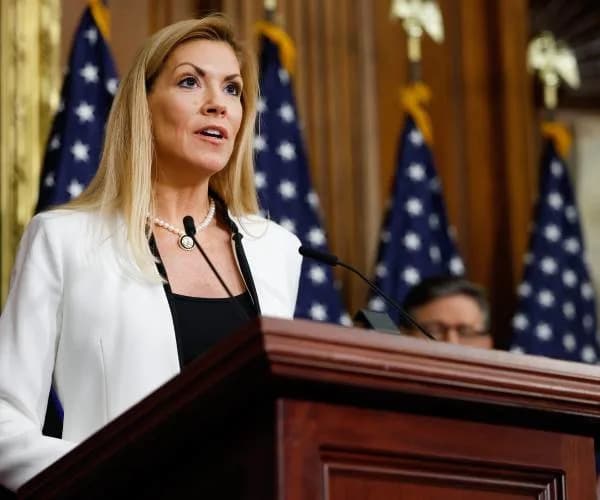
Last week, members of both the House and Senate Armed Services committees pressed Defense Secretary Pete Hegseth for a legal rationale during hearings on the Department of Defense's $1.5 trillion budget request for fiscal 2027. When pressed by senators, Hegseth said:
"We are in a ceasefire right now, which [by] our understanding means the 60-day clock pauses, or stops, in a ceasefire."His explanation prompted criticism from lawmakers who said the administration was attempting to sidestep a statute viewed as vital to congressional oversight.
Sen. Tim Kaine (D-Va.) said Hegseth's answer suggested "the White House does not intend to honor the 60-days," calling the position an evasion of congressional prerogatives. The Senate last Thursday failed for the sixth consecutive time to advance a procedural motion to compel the immediate removal of U.S. forces, losing the vote 47–50; only Republican Sens. Rand Paul (Ky.) and Susan Collins (Maine) supported the measure to remove troops.
Political Stakes And Timing
Republicans in Congress have largely backed the administration so far, but that dynamic could shift as lawmakers consider requests for supplemental defense funding to cover costs already incurred and as they debate the fiscal 2027 defense authorization and appropriations bills ahead of the Oct. 1 fiscal year start. Another important deadline looms: the midterm elections on Nov. 3, roughly six months away. While the economy is expected to remain the dominant electoral issue, the U.S. military role in Iran — its costs, risks and legal standing — is likely to shape voters' views and congressional contests.
Public Opinion And Operational Risks
A Washington Post–ABC News poll released last week showed only 33% of adults approve of the president's handling of the Iran situation, while 66% disapprove—figures roughly comparable to public views on the economy. President Trump initially said the campaign would last four to six weeks; the U.S. is now into the tenth week without a clear end date.
The Pentagon has warned that clearing naval mines from the Strait of Hormuz could take as long as six months, a process that could cause sustained economic disruption even if hostilities remain paused or a ceasefire is reached. That timeframe could complicate both military planning and the political calculations of lawmakers weighing supplemental funding and continued authorization for forces in the region.
Conclusion
The dispute spotlights a recurring tension between the executive branch's conduct of military operations and Congress's constitutional authority to declare war and authorize force. Whether this standoff triggers new legislation, a legal challenge, or a political reckoning will depend on developments in the region, forthcoming administration briefings to lawmakers, and how strongly public opinion influences representatives in a pivotal election year.
About the author: Don Wolfensberger is a 28-year congressional staff veteran who concluded his career as chief of staff of the House Rules Committee in 1995. He is the author of Congress and the People: Deliberative Democracy on Trial (2000) and Changing Cultures in Congress: From Fair Play to Power Plays (2018).
Copyright 2026 Nexstar Media, Inc. All rights reserved. This material may not be published, broadcast, rewritten, or redistributed.
Help us improve.