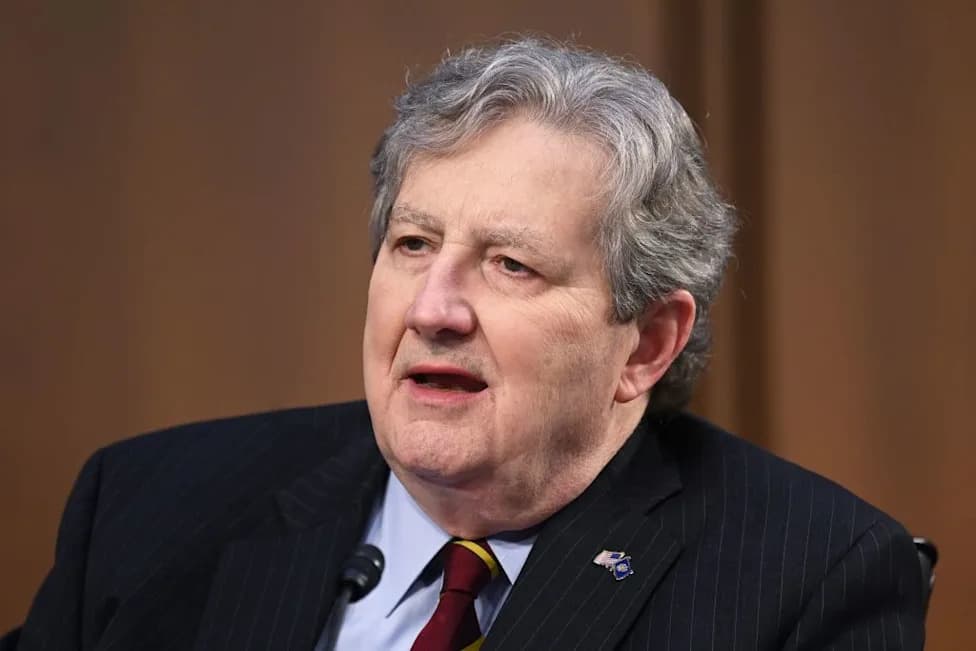
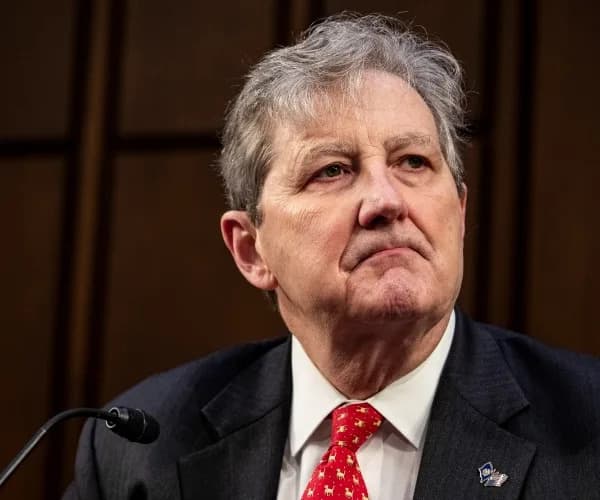
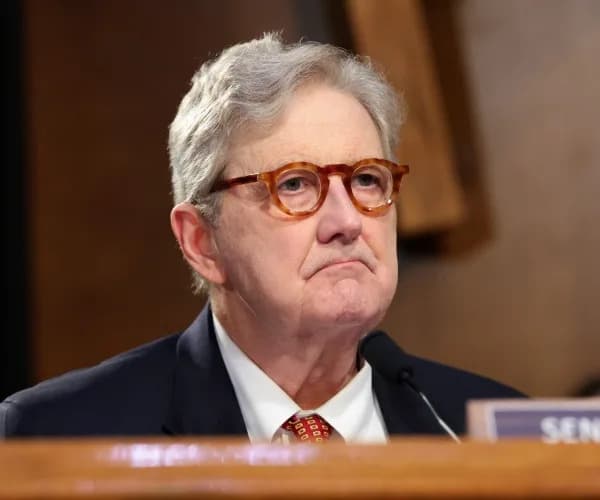
Sen. John Kennedy (R-La.) pairs homespun humor with strategic use of Senate procedure to influence legislation and extract concessions from his party. Known for memorable quips, he has shifted toward a more consequential role, forcing votes and withholding support on issues from immigration funding to cryptocurrency rules. Colleagues praise his cleverness yet warn his tactics can be disruptive; his moves illustrate how a single senator can shape outcomes in a narrowly divided chamber.
‘I Don’t Completely Fit In’: Sen. John Kennedy Keeps Republicans Guessing With Wit and Procedural Muscle
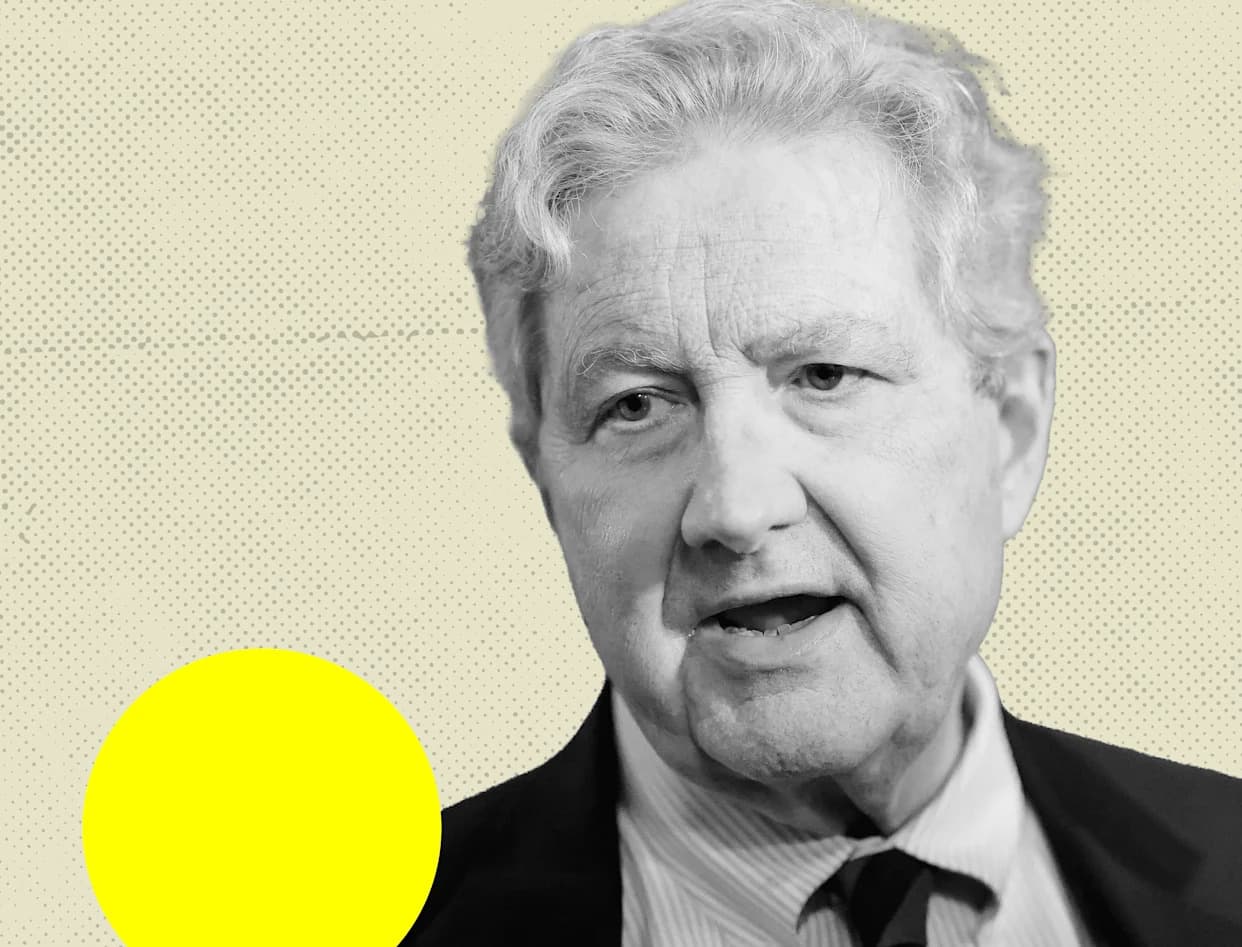
Sen. John Kennedy (R-La.) combined offbeat one-liners and pointed procedural threats in a single day — reminders that his homespun humor now comes with real Senate leverage. Long known for quips that make headlines, Kennedy has increasingly used his committee posts and floor prerogatives to press policy priorities and force votes, sometimes unnerving party leaders who prefer quiet discipline.
He has joked that the Senate’s Byzantine rules were written “by a heroin addict with a socket wrench,” quipped that “doing nothing is very hard … you never know when you’re finished,” and ribbed colleagues — saying Sen. John Thune tried everything “but bark like a dog” to cut a deal with Democrats. Those remarks draw laughs, but they sit alongside stern bargaining: Kennedy has privately threatened to derail GOP measures unless his concerns about rising costs and other priorities are addressed.
From One-Liners to Leverage
“I play outside the pocket. Just always have and always will,” Kennedy told Semafor, a posture that both delights and frustrates colleagues. “And that’s why I’ll never be part of leadership. I don’t completely fit in.” He added that his independence is a strength: “I’ve always thought that’s one of my best qualities. And sometimes that pisses them off, and sometimes it doesn’t. I do try to be a team player.”
His stinging questions and public critiques have had consequences. Kennedy pressed officials over agency spending in a hearing that contributed to political fallout for the subject involved. On the Banking Committee, he was an early GOP voice skeptical of an investigation into Federal Reserve Chair Jerome Powell and has publicly pushed the administration to justify actions when it sought to remove a central bank official.
When Procedure Becomes Policy
In private sessions with party leaders ahead of a key budget vote, Kennedy warned he could slow or block an immigration-funding bill unless senators considered a slate of amendments: exempting poll workers from certain taxes; indexing the $500,000 capital gains exclusion for homeowners to inflation; and banning medical debt from credit reports, which he said was harming families. Leaders urged restraint; Kennedy ultimately forced a vote on a Trump-backed voter ID measure and relented on other items so the Department of Homeland Security could be reopened.
“We talked very frankly about this,” he said, noting he yielded because “we need to get the DHS open.”
Kennedy has also withheld or delayed support for high-profile measures — notably a second cryptocurrency regulation bill prioritized by the administration — until allied priorities such as housing affordability see movement. In a narrowly divided Senate, a single Republican defection in committee can be decisive, and Kennedy’s willingness to press procedural buttons gives him outsized influence.
Reputation and Relationships
Colleagues offer mixed appraisals. Sen. Kevin Cramer (R-N.D.) calls Kennedy “a clever bugger” and likened his disarming manner to a TV lawyer; Sen. Lindsey Graham (R-S.C.) dryly described him as “Kennedy-esque.” Appropriations Chair Sen. Susan Collins (R-Maine) praised him as “an active chairman who wants to be leading.” Yet other Republicans describe him as “very, very difficult to work with,” saying his tactics can veer into obstruction.
Kennedy insists he has not changed his style: “Nope. It’s the same me. I’ve always done it this way, even back in Louisiana.” He says his relationship with former President Trump is functional rather than fawning: he calls when necessary, trusts a direct line, and accepts “yes” or “no.”
Why It Matters
Kennedy’s mix of humor and hardball exposes how much power an individual senator can wield in a tightly divided chamber. By forcing votes, adding amendments, and publicly airing objections, he sometimes slows the legislative process — but he also extracts policy concessions and brings attention to issues his colleagues might prefer to deprioritize. For reporters and the public, that combination of personality and procedural skill is irresistibly newsworthy.
Committees: Banking, Judiciary, Budget, and Appropriations (chairs the Energy & Water subpanel). Recent flashpoints include immigration funding, housing legislation, Federal Reserve oversight, and cryptocurrency rules.
Help us improve.