Colossal Biosciences is attempting to recreate the bluebuck, an antelope hunted to extinction around 1800, by editing the genome of its closest living relative, the roan antelope. Researchers used DNA from a mounted museum specimen and say the roan and bluebuck genomes are over 98% similar. The company has created pluripotent roan stem cells and is working toward producing edited embryos for implantation in surrogate roan mothers, with gestation expected to take about nine months. The project follows Colossal's announcement of genetically engineered dire wolf pups and has sparked debate about the ethics and priorities of conservation.
Can Science Bring Back the Bluebuck? Colossal Biosciences Edits Roan Genome to Recreate Extinct Antelope
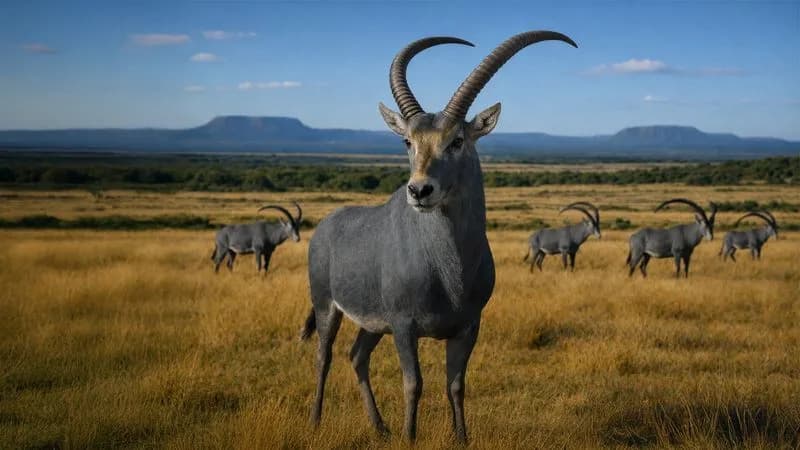
An artist's rendering of the extinct African antelope species called the Bluebuck, released on April 30, 2026. Colossal Biosciences/Handout via REUTERS NO RESALES. NO ARCHIVES. THIS IMAGE HAS BEEN SUPPLIED BY A THIRD PARTY
By Will Dunham — Reuters
The bluebuck, an antelope famed for its silvery slate-blue coat and distinctive backward-curving horns, was driven to extinction in South Africa's southwestern Cape around 1800. Dallas-based Colossal Biosciences has announced it is attempting to recreate the species by editing the genome of its closest living relative, the roan antelope.
What Colossal Is Doing
Colossal says the bluebuck is now the sixth species in its de-extinction portfolio, joining projects that target the dire wolf, woolly mammoth, thylacine (Tasmanian tiger), dodo and moa. The company reports it is two years into the bluebuck project and has completed core preparatory steps, including genome comparisons and the creation of pluripotent stem cells from roan antelope.
Genomics and Laboratory Progress
Researchers extracted bluebuck DNA primarily from a mounted young male specimen at the Swedish Museum of Natural History in Stockholm and compared it to the roan genome. Colossal reports the two species are more than 98% similar at the genomic level. Using that comparison, the team says it has identified candidate genes and introduced "bluebuck edits" into roan antelope cells.
The company also reports breakthroughs in reproductive techniques for antelopes, including successful egg collection and the creation of pluripotent stem cells — versatile "starter" cells that can develop into many tissue types. According to Colossal, edited roan cells will be used to create embryos that could be implanted into surrogate roan mothers, with gestation expected to take about nine months.
Context and Precedent
Colossal previously announced the April 2025 birth of three genetically engineered wolf pups that it described as dire wolves. The company used ancient DNA from fossil remains and edited the genome of the gray wolf — the dire wolf's closest living relative — to introduce traits of the extinct species, then produced embryos from edited cells and implanted them in surrogate mothers. Colossal says those dire wolves live on a secure 2,000-acre (810-hectare) ecological preserve.
"Humans did this. European settlers shot the bluebuck out of the Cape in under 34 years. There's no ambiguity about the cause and there's no ambiguity about the responsibility. If we have the capability to right that wrong, I think we have an obligation to," Colossal CEO and co-founder Ben Lamm told Reuters.
Ethics and Conservation Debate
Attempts to resurrect extinct species raise scientific and ethical questions, including concerns about ecological fit, animal welfare, and allocation of conservation resources. Lamm and Colossal argue de-extinction technology can complement conservation and help threatened living species; critics say resources might be better spent protecting existing biodiversity and habitat.
Colossal says the bluebuck project remains on track and that the company plans further announcements on other programs by year-end. The effort highlights both rapid advances in genome editing and the complex debates about how best to respond to biodiversity loss.
Reporting by Will Dunham; Editing by Daniel Wallis.
Help us improve.