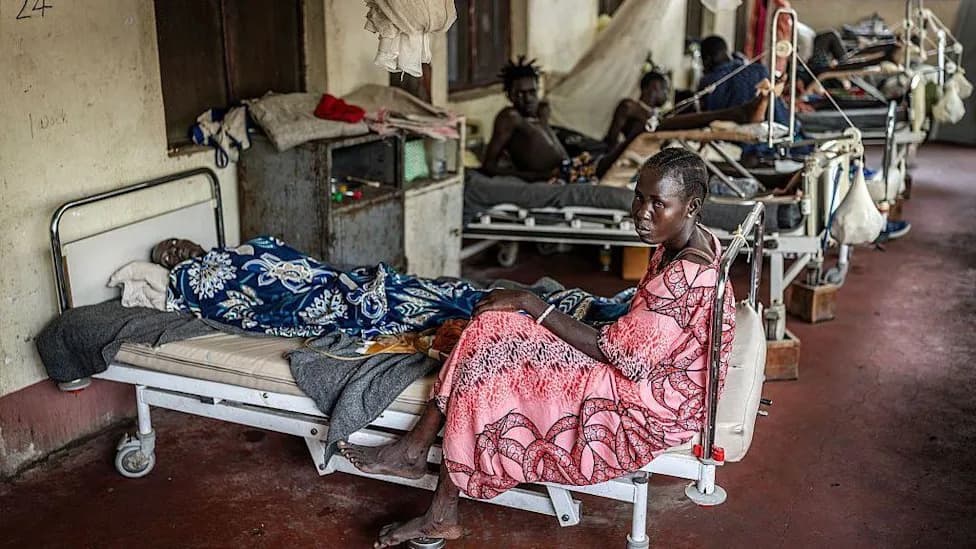
UN agencies and local aid groups warn that the widespread use of rape as a weapon in Sudan’s war has produced a mounting mental health emergency. Doctors Without Borders says at least 3,396 survivors sought care in Darfur between Jan 2024 and Nov 2025, but WHO calls that likely the "tip of the iceberg." Barriers such as insecurity, destroyed or seized hospitals, lack of trained staff, stigma and funding cuts prevent care. UN officials urge urgent clinical treatment within 72 hours and expanded psychosocial support to address rising suicide and long-term, intergenerational harm.
UN: Sexual Violence in Sudan Is Fueling a Major Mental Health Emergency
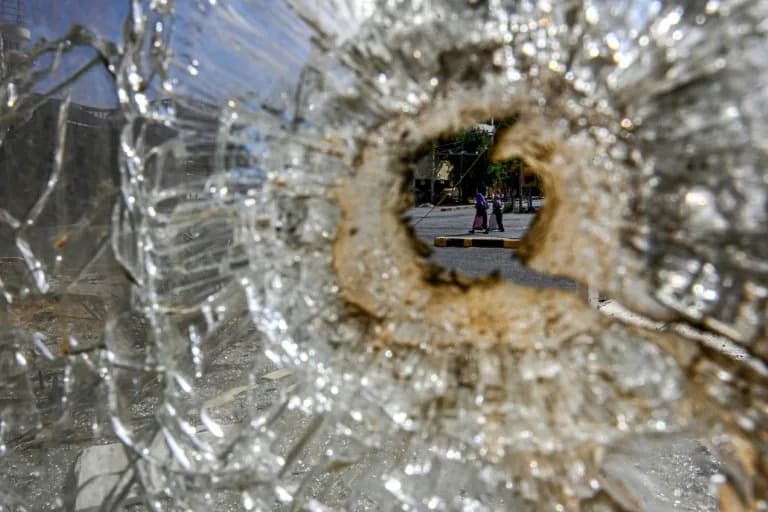
UN agencies and aid groups said sexual violence in Sudan is causing a massive mental health crisis (Khaled DESOUKI)(Khaled DESOUKI/AFP/AFP)
United Nations agencies and local aid groups warn that the systematic use of rape and other forms of sexual violence in Sudan’s ongoing war has produced a growing mental health emergency with long-term consequences.
Conflict and Immediate Toll
The Sudanese army and the paramilitary Rapid Support Forces (RSF) have been fighting since April 2023. The conflict has killed tens of thousands and displaced around 11 million people. Medical charity Doctors Without Borders (MSF) reported that at least 3,396 survivors of sexual violence — almost all women and girls — sought care at MSF-supported facilities in North and South Darfur between January 2024 and November 2025.
Likely Far Worse Than Reported
The World Health Organization (WHO) told officials in Geneva that those figures are likely only the "tip of the iceberg." "Accessing services when you are raped is very, very challenging," said Avni Amin, head of WHO's gender-based violence unit, at a UN briefing on Sudan's humanitarian and health emergency. She pointed to insecurity, difficulty reaching functioning health centres and a severe shortage of health workers trained to treat survivors.
"For every woman who discloses, there are probably eight or nine women who've been raped and who will suffer in silence," Amin warned.
Barriers to Care
Survivors face multiple obstacles: destroyed or seized hospitals, health facilities controlled by armed groups, limited medical supplies, few trained clinicians, and intense social stigma that discourages reporting. Niemat Ahmadi of the Darfur Women Action Group described cases of mass sexual assault that have left women with life-altering injuries such as fistula. Even before the conflict, specialist care in Darfur was scarce; today it is often unavailable.
Ahmadi recounted incidents in which health workers and patients were attacked; at one hospital, RSF fighters reportedly entered, shot and raped a health worker — and a woman in labour died during the assault. The withdrawal of international organisations over security concerns and deep cuts to humanitarian funding have left small, women-led groups scrambling to fill critical gaps.
Mental Health And Psychosocial Crisis
The UN Population Fund (UNFPA) warned of severe consequences from the lack of clinical and psychosocial services. Shoko Arakaki, head of UNFPA's humanitarian response division, stressed the importance of prompt clinical care: "It is very, very important for victims of sexual violence to receive clinical treatment within 72 hours." She added: "But we don't have services, we don't have medicines."
Arakaki and other aid officials highlighted a steep rise in severe mental health problems among survivors, including increasing reports of suicide. Local activists say some women have taken their own lives to "avoid rape," notably in parts of Al-Jazira, though official figures are limited.
"We have to integrate support for mental health," Amin said, urging a scale-up of psychosocial services alongside life-saving medical care. "The impacts last not just long term but inter-generationally. We have to be prepared for that."
What Aid Agencies Are Calling For
UN agencies and local groups are calling for immediate action: restore and protect health facilities, expand clinical services (including post-rape care within the critical 72-hour window), increase trained staff and supplies, provide wide-reaching psychosocial support, and prioritise funding for women-led organisations on the ground. Without urgent scale-up, survivors and entire communities face prolonged physical, psychological and social harm.
Reporting contributors: nl/rjm/phz/ane
Help us improve.