The White House is reviewing a written proposal from Iran, relayed via Pakistan, that could help reopen the Strait of Hormuz after a disruptive US–Israeli operation. Oil prices rose and stock markets slipped as maritime traffic remained constrained. Iran told the UN it needs guarantees against renewed strikes before committing to Gulf security, while Lebanon reported civilian casualties and Israel warned of sustained multi-front fighting into 2026.
Middle East Update: US Reviews Iran Offer to Reopen Strait of Hormuz as Tensions Push Oil Higher
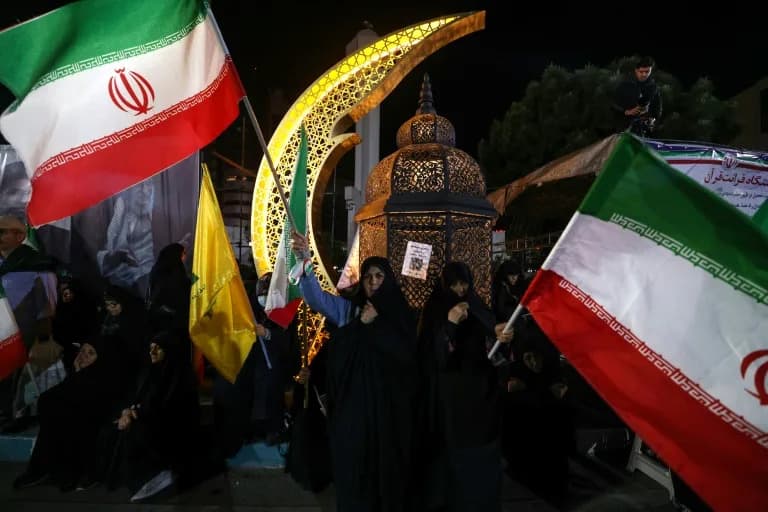
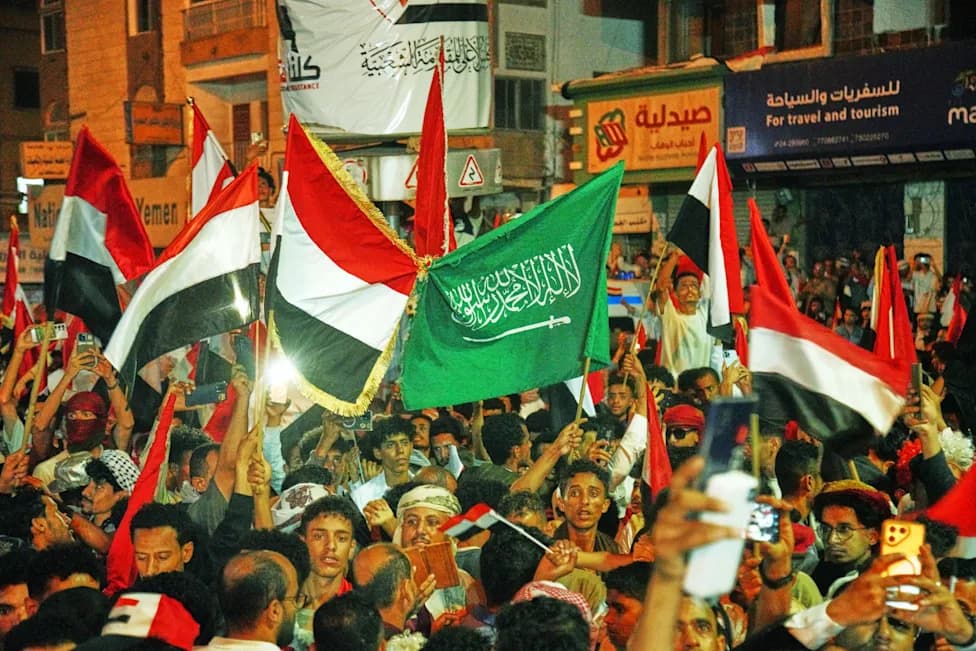
Demonstrators rally in support of Iran's supreme leader Ayatollah Mojtaba Khamenei at Sadeghyeh Square in Tehran on April 27, 2026 (ATTA KENARE)(ATTA KENARE/AFP/AFP)
The following rounds up the latest diplomatic, economic and security developments in the Middle East as officials weigh proposals and regional tensions continue to affect markets and civilians.
US Reviews Iranian Proposal
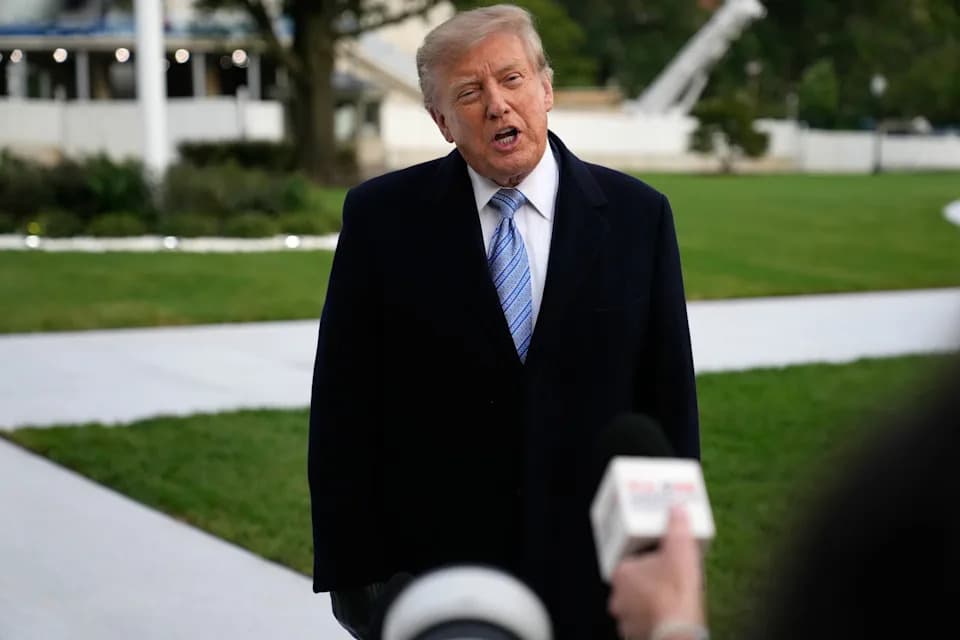
The White House said on Monday it is reviewing a written proposal from Iran aimed at reopening the Strait of Hormuz. Tehran reportedly transmitted the messages to Washington via Pakistan, outlining its red lines on nuclear issues and maritime navigation. President Donald Trump convened senior security advisers to assess the offer, and White House spokeswoman Karoline Leavitt said the proposal "was being discussed" at a briefing.
Markets React: Oil Up, Stocks Down
Global markets responded to the ongoing impasse: oil prices rose while stock indices fell as traffic through the Strait of Hormuz remained restricted. Traders cited continued geopolitical uncertainty and supply worries as reasons for the volatility.
Iran Seeks Security Guarantees
Iran’s UN envoy, Amir Saeid Iravani, told the Security Council that Tehran requires guarantees against further US–Israeli strikes before it can commit to ensuring security in the Gulf. He called for "a durable and permanent cessation of aggression against Iran supplemented by credible guarantees of non-recurrence and full respect for the legitimate sovereign rights and interests of Iran."
Casualties Reported in Lebanon
Lebanon’s health ministry reported that Israeli strikes in southern Lebanon on Monday killed four people, including a woman, and wounded 51 others, among them three children. The ministry said the casualties occurred despite a ceasefire between Israel and Hezbollah.
Israel Prepares For Extended Fighting
Israel’s chief of staff, Lieutenant General Eyal Zamir, warned that the Israel Defense Forces are likely to remain engaged on multiple fronts through 2026. He described the campaign as an ongoing multi-front operation that began in the aftermath of the 7 October 2023 Hamas attack.
Hezbollah Capabilities And Israeli Concerns
Prime Minister Benjamin Netanyahu highlighted Hezbollah’s rockets and drones as a continuing threat, naming 122mm rockets and unmanned aerial systems as particular concerns. Netanyahu said Hezbollah now holds roughly 10% of the missiles it had at the start of the conflict, but that those remaining pose risks to communities in northern Israel and justify further operational and technological responses.
Key takeaway: Diplomacy and market turbulence are unfolding alongside continued military risks across multiple fronts in the region.
Help us improve.