
Péter Magyar, Hungary’s incoming prime minister, has accused associates of former premier Viktor Orbán of moving billions in assets out of the country following Orbán’s landslide defeat. Reports and watchdogs have pointed to declines in democracy and rising corruption during Orbán’s tenure, allegations he denies. Experts warn that tracing assets and reversing an illiberal, anti‑EU agenda will be legally and politically difficult and will require domestic reform and international cooperation.
Incoming Hungarian PM Accuses Orbán Allies of Moving Billions Abroad — Reversal of Illiberal Rule Seen as Daunting
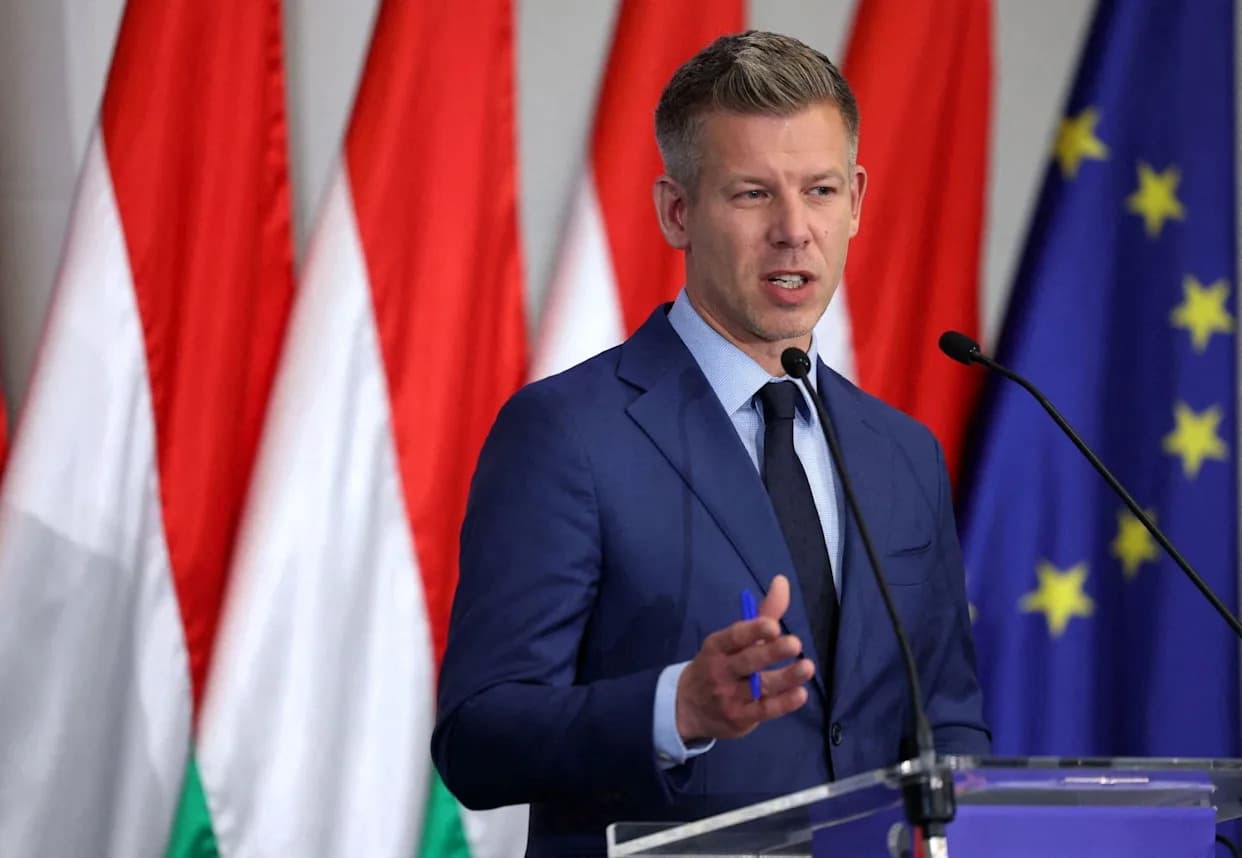
Incoming Hungarian prime minister Péter Magyar has accused associates of outgoing leader Viktor Orbán of transferring billions of dollars in assets out of Hungary as power changes hands. Magyar says the alleged outflows took place in the wake of Orbán’s defeat and raise fresh concerns about corruption and the protection of public funds.
Orbán, who suffered a landslide loss this month, governed during a period when Hungary slipped in international rankings for democracy and corruption. Multiple investigative reports and watchdogs have suggested that large sums of state funds were diverted to businesses and individuals close to the former prime minister; Orbán has rejected those allegations.
Observers noted that Orbán’s peaceful departure drew international attention and comparisons with other leaders who resisted electoral defeat. Still, the transition has exposed the scale of the task facing Magyar if he is to roll back what he calls an illiberal, anti‑EU agenda and to restore transparency and rule-of-law standards.
Political And Legal Hurdles Ahead
Experts say Magyar will confront significant legal, institutional and political obstacles. Reversing alleged corruption and recovering assets typically requires forensic audits, cross-border financial investigations, EU cooperation and durable domestic reforms to procurement and oversight systems. That combination will test both the new government’s capacity and the willingness of European partners to assist.
“This is far easier said than done,” an expert from the European Council on Foreign Relations warned, underscoring the political and institutional hurdles ahead.
Magyar’s next steps are likely to include launching inquiries, strengthening anti‑corruption agencies, and seeking cooperation with EU institutions and foreign partners to trace and repatriate assets. The outcomes will shape not only Hungary’s domestic politics but also its relationship with the European Union and foreign investors.
What To Watch: formal investigations or audits announced by the incoming government; any court cases or asset-freezing orders; statements and cooperation requests to EU bodies; and reactions from Orbán’s camp and allied businesses.
Help us improve.





















