The Virginia redistricting referendum narrowly passed, potentially reshaping the state's congressional map and reducing Republican-held districts from five to one. President Trump publicly accused the vote of being "rigged," criticizing late mail-in ballot counts and the referendum's wording. Election experts say delayed counts in populous, Democratic-leaning areas explain late shifts and that there is no evidence of fraud. The episode is seen as an early sign that Trump may preemptively challenge unfavorable midterm results.
Trump Calls Virginia Redistricting Vote 'Rigged' After Narrow Loss — A Preview Of Midterm Messaging
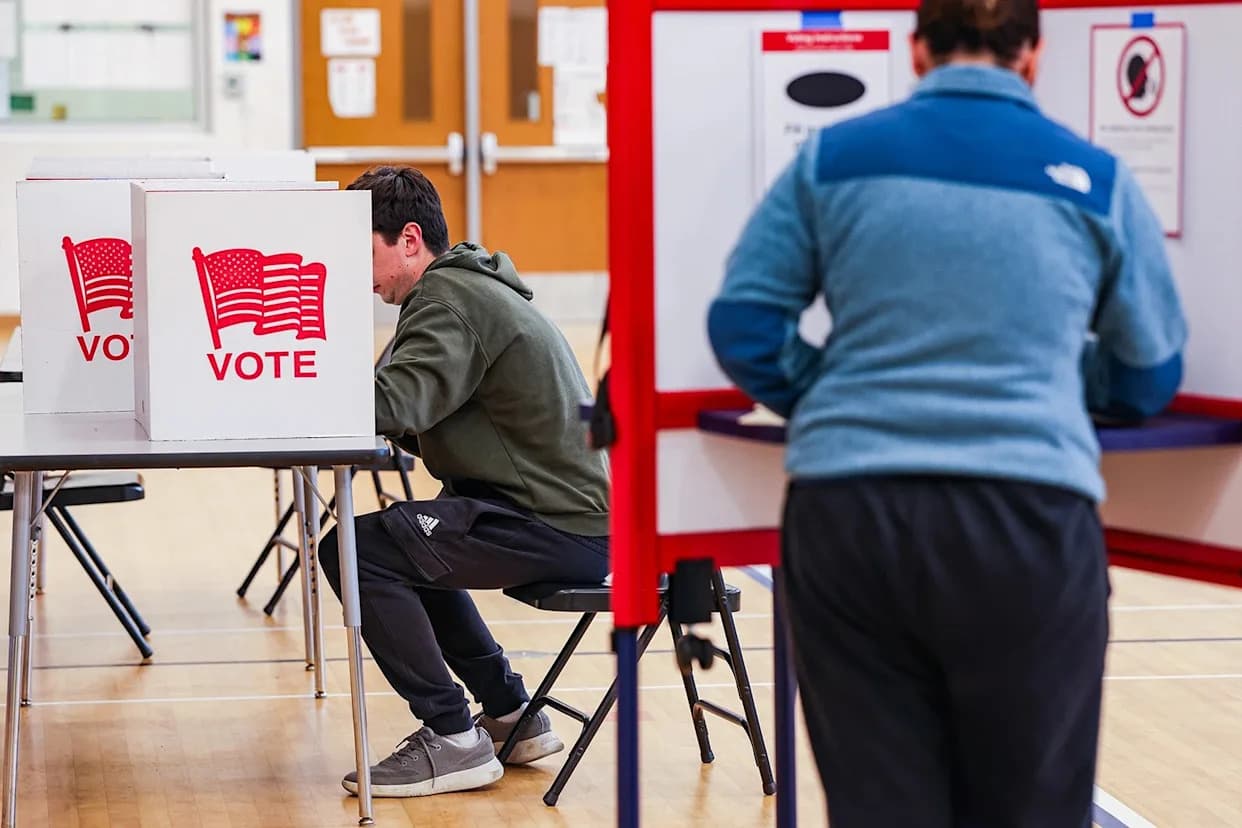
Voters cast their ballots at a polling location inside Abingdon Elementary School during a special election in Arlington, Virginia, US, on Tuesday, April 21, 2026. America's year-long redistricting battles are nearing their end: Virginia voters on Tuesday will decide whether to give Democrats a three-seat boost in this year's midterm election, while Florida Republicans will have the chance next week to counter with their own congressional map to even the score. Photographer: Valerie Plesch/Bloomberg via Getty Images(Valerie Plesch / Bloomberg via Getty Images)
The Virginia redistricting referendum this week attracted intense attention because its outcome could reshape the state's congressional map and bring Democrats closer to a House majority.
The contest was close: voters narrowly approved the Democratic plan. If implemented, the map would reduce Republican-held U.S. House seats in Virginia from five of 11 to just one, a shift with clear national implications.
Inside GOP circles, blame circulated quickly. Politico reported party operatives and local leaders privately chiding state and national figures for the setback.
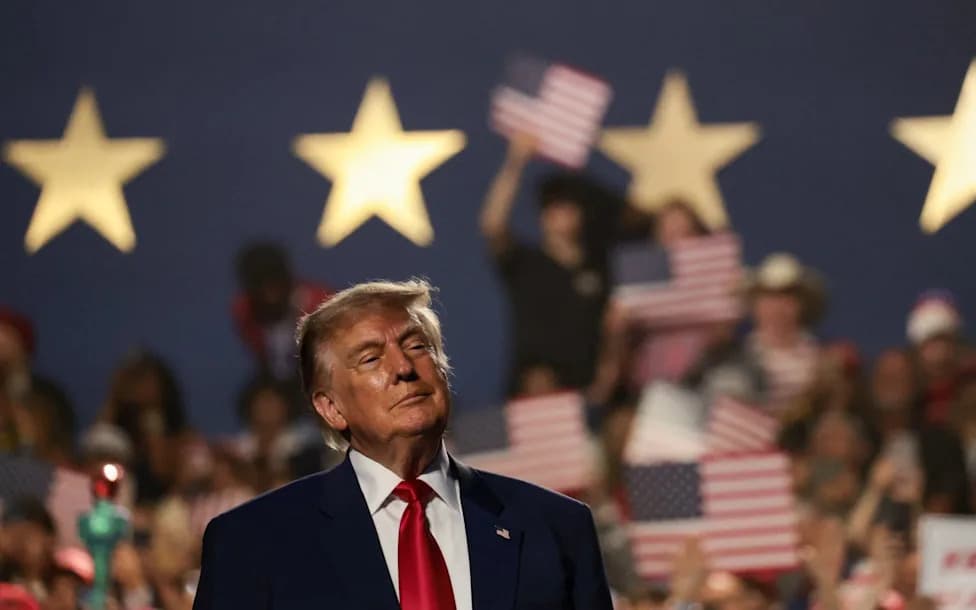
President Donald Trump took a different, more public tack. On Wednesday he posted on his social platform, accusing the vote of being corrupt and questioning the legitimacy of the outcome. His message read in part:
"A RIGGED ELECTION TOOK PLACE LAST NIGHT IN THE GREAT COMMONWEALTH OF VIRGINIA! All day long Republicans were winning, the Spirit was unbelievable, until the very end when, of course, there was a massive ‘Mail In Ballot Drop!’ Where have I heard that before — And the Democrats eked out another Crooked Victory! … Let’s see if the Courts will fix this travesty of ‘Justice.’"
He also criticized the referendum's language as confusing, adding, "As everyone knows, I am an extraordinarily brilliant person, and even I had no idea what the hell they were talking about in the Referendum, and neither do they!"
There is no credible evidence that the Virginia vote was "rigged" or otherwise fraudulent. Election experts note that counting often continues longer in densely populated jurisdictions — which in Virginia tend to favor Democratic candidates — producing late shifts in totals without indicating impropriety. Even many Republican officials upset by the result did not challenge the tally's legitimacy.
As New York Times columnist Jamelle Bouie observed, "To this president, as we should know by now, a 'rigged' election is one that he lost or did not win to his satisfaction." The episode in Virginia, and Trump's swift public denunciation, is widely seen as an early example of a familiar strategy: raising doubts about results he dislikes before larger contests arrive.
Why It Matters
The midterm elections are several months away, and this dispute offers an early look at how Trump and his allies may frame potential defeats: by questioning vote counts, highlighting late returns, and laying groundwork to dispute outcomes. For voters and officials, the key takeaway is that procedural explanations — like prolonged counts in populous areas — can be mischaracterized as misconduct, inflaming partisan tensions ahead of November.
Source: Coverage adapted from reporting on the Virginia referendum and subsequent remarks by President Trump.
Help us improve.