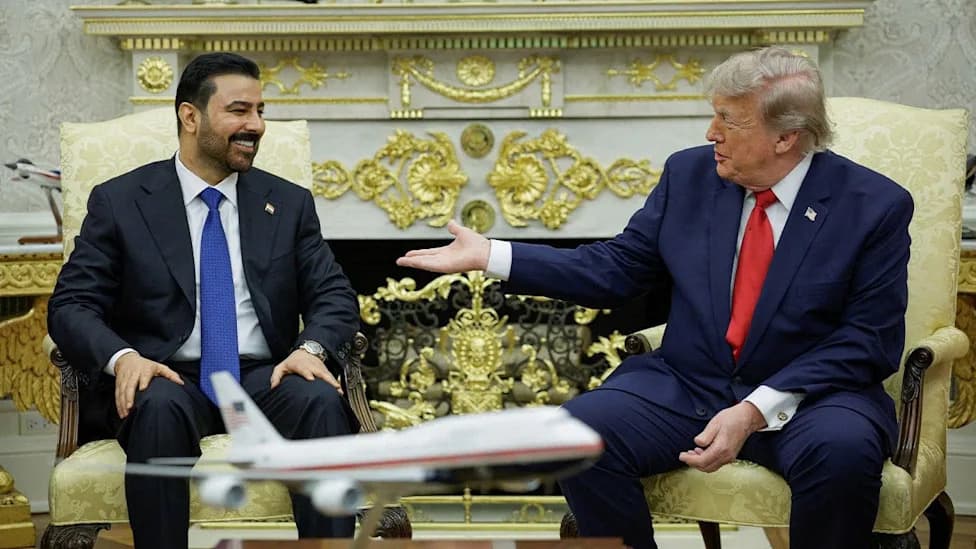
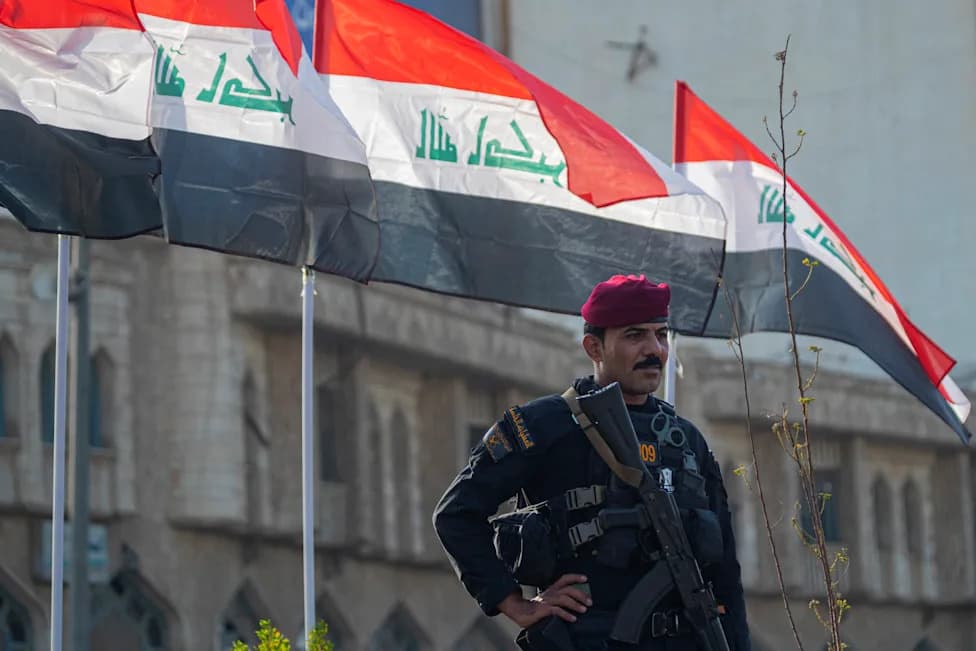
Iraqi leaders face a tight deadline to nominate a new prime minister as the Coordination Framework — the largest Shia bloc with 185 of 329 seats — delays a decision amid internal rivalries. Two main nominees, Bassem al-Badry and Ihsan al-Awadi, are hampered by a dispute over quorum rules and limited parliamentary support. External pressure from the US and Iran complicates talks, while smaller parties are exploring compromise candidates. The outcome will hinge on internal bargaining and whether factions can make mutual concessions.
Iraq’s Shia Bloc Faces Deadline — Can It Agree on a New Prime Minister?
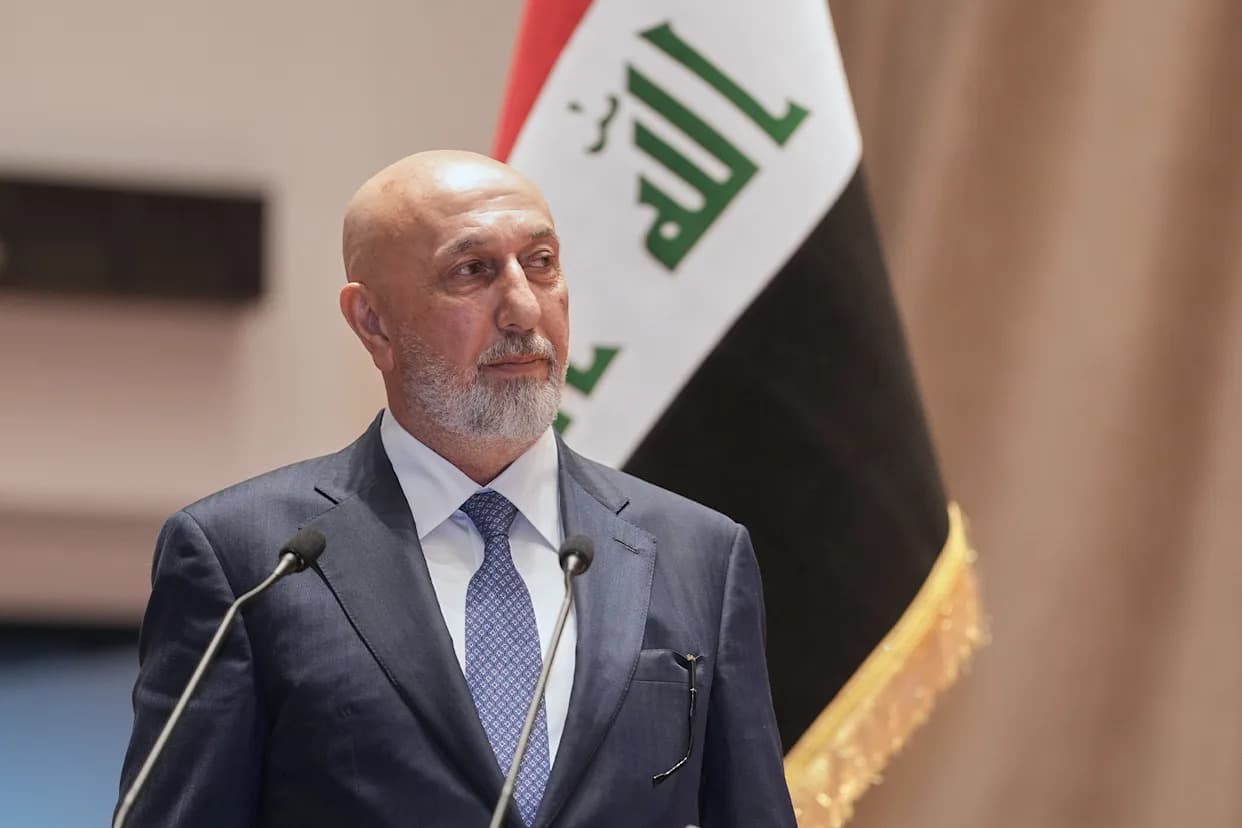
Newly elected Iraqi President Nizar Amidi speaks in parliament after his election in Baghdad, Iraq, on April 11, 2026 [Handout/Iraqi Parliament Media Office via AP]
Baghdad — Iraqi political leaders have just days to agree on a new prime minister and end a stalemate that has persisted for more than five months since parliamentary elections.
Deadline and Political Context
The Coordination Framework, the largest coalition of Shia parties holding 185 of 329 parliamentary seats, postponed a planned announcement and opted for further internal consultations. Under Article 76 of the Iraqi Constitution the bloc must present a nominee by Sunday; the president, Nizar Amedi, was elected on April 11 and is obliged to ask the largest bloc’s nominee to form a government within 15 days.
Who Are the Contenders?
In January the Coordination Framework initially nominated two-time prime minister Nouri al-Maliki — a figure with close ties to Iran — a move that drew strong criticism from then-US President Donald Trump. More recently, the State of Law Coalition (founded by al-Maliki) nominated Bassem al-Badry, who currently heads the Accountability and Justice Commission, while the Reconstruction and Development Coalition nominated Ihsan al-Awadi, director of the office of caretaker Prime Minister Mohammed Shia al-Sudani.
Internal Disputes and the Quorum Fight
Coordination Framework meetings have been repeatedly postponed amid rivalries between factions such as Ammar al-Hakim’s Hikma Movement and Qais al-Khazali’s Asa’ib Ahl al-Haq, and between leaders around al-Maliki and al-Sudani. A key blockage is a dispute over how to calculate the two-thirds quorum required to formalise a nomination: State of Law argues it should be two-thirds of the bloc’s 12 leaders, while the Reconstruction and Development camp says it should be two-thirds of the bloc’s 185 parliamentarians. Critics say al-Badry falls short under either interpretation and may struggle to win a parliamentary confidence vote.
External Pressure
The wider US–Iran rivalry has added pressure. Recent visits by Ismail Qaani, commander of the IRGC Quds Force, and US Middle East envoy Tom Barrack have heightened concerns about external influence — although some Coordination Framework leaders deny foreign meddling in the choice and describe Tehran’s role as supportive of whatever Iraqi parties agree. Meanwhile, The Wall Street Journal reported Washington suspended some dollar shipments to Iraq and paused certain security cooperation programmes, increasing leverage on Baghdad to rein in Iran-aligned groups.
Compromise Options and What’s at Stake
Smaller parties are discussing compromise “second-tier” candidates that previously surfaced during early formation talks. Names being floated include Ali al-Shukry (head of the presidency’s advisory body), national security adviser Qasim al-Araji, intelligence chief Hamid al-Shatri, former youth minister Abdul-Hussein Abtan, and Interior Minister Abdul-Amir al-Shammari. Observers say the crisis extends beyond the premiership to encompass broader state management and foreign-policy direction at a sensitive regional moment.
“The delay is down to differing viewpoints among Coordination Framework leaders,” Hider al-Mola of the State of Law Coalition told Al Jazeera, adding he hoped disagreements would be resolved soon and arguing the balance was "clearly tipping" toward al-Badry.
The selection of Iraq’s next prime minister has become a test of whether its political forces can reconcile internal rivalries with regional pressures. With divisions persisting, a settlement will likely require mutual concessions — or else risk further delays and continuing uncertainty.
Help us improve.