Documents and depositions in a lawsuit suggest DHS contractor Kara Voorhies exercised significant influence over FEMA operations. Undated messages show Voorhies directing data collection and reacting to media coverage, and depositions indicate FEMA leaders sought her final approval on decisions. The filings raise questions about contractors performing inherently governmental functions and potential Privacy Act violations; congressional and ethics inquiries are ongoing.
Court Filings Allege Contractor Served as FEMA’s 'Shadow Administrator' — Messages and Depositions Reveal Outsized Role
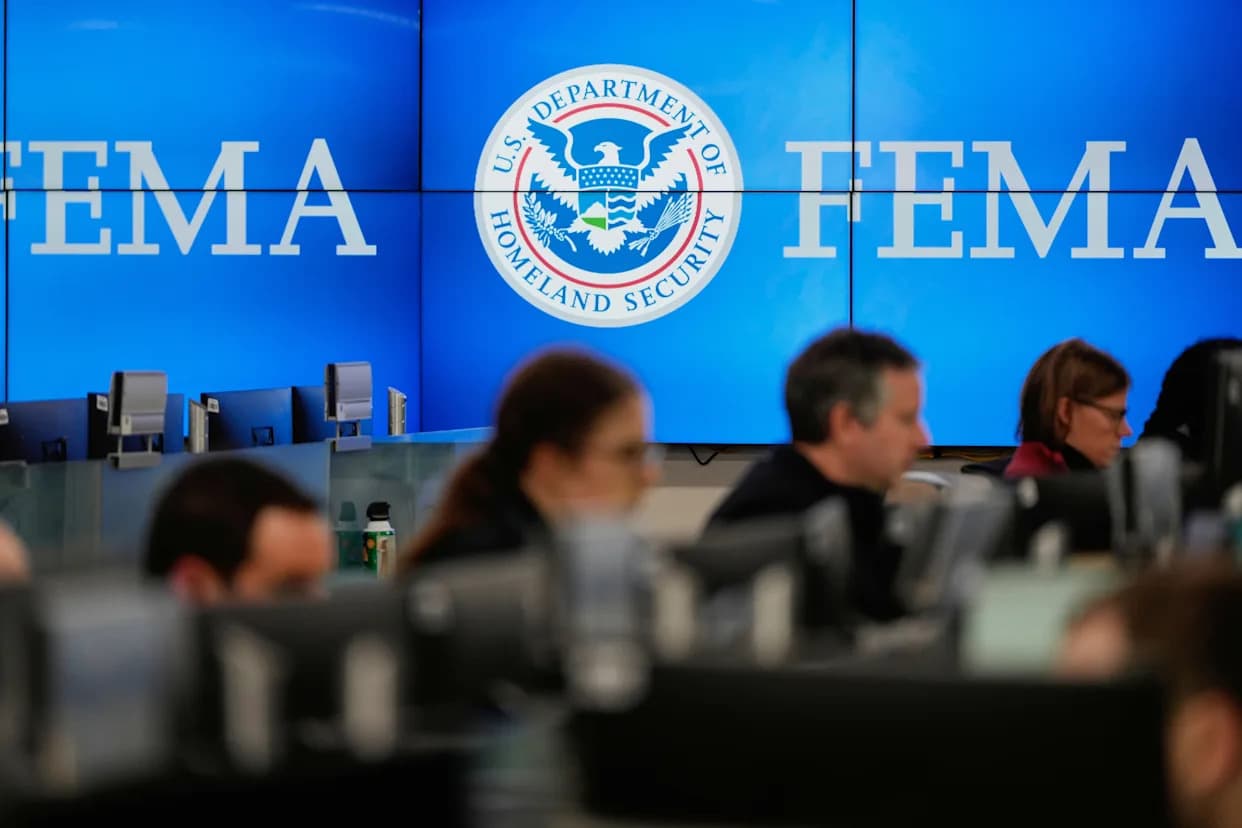
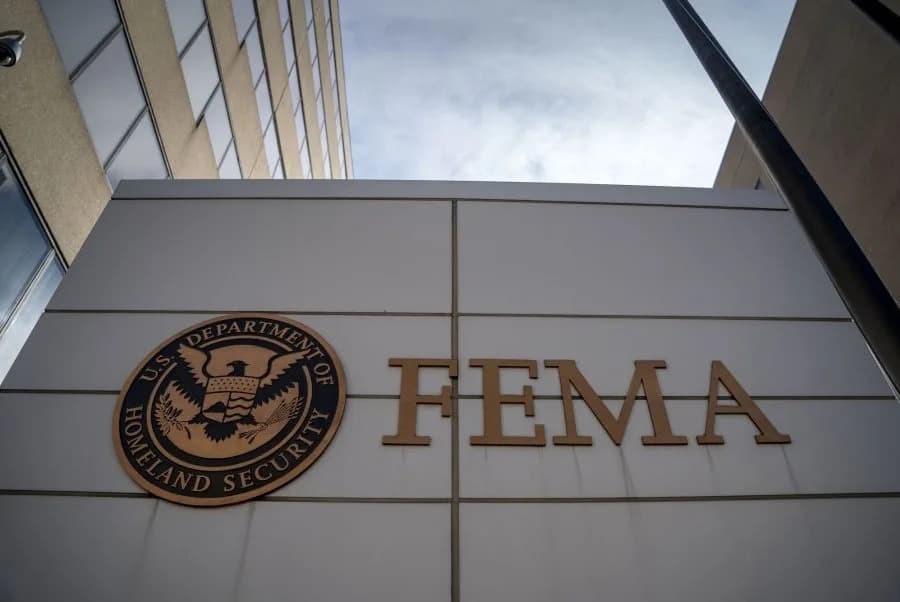
Documents filed in a lawsuit challenging the federal government’s workforce reductions allege that a Department of Homeland Security contractor, Kara Voorhies, exercised substantial operational control over the Federal Emergency Management Agency (FEMA) and at times acted as an informal agency leader.
Key Evidence: Messages and Depositions
Plaintiffs obtained undated text messages between Voorhies and FEMA Chief of Staff Karen Evans, plus sworn depositions entered into the court record. The messages show Voorhies directing FEMA staff to "do a data call to find out how many contractors work at FEMA" as part of a planned restructuring and advising on how the data should be collected. In the same thread, Evans asked, "How do you want the data? On site? Off site? Please provide specifics," according to the filings.
In another exchange, Voorhies reacted strongly after receiving a link to a Jan. 23 CNN story reporting that FEMA had paused employee terminations during a severe winter storm, asking a group chat, "why the hell" that information was made public. Evans also testified in a deposition that after FEMA leaders made decisions, they frequently sought Voorhies’ final approval.
Legal And Operational Concerns
Federal rules generally prohibit contractors from performing inherently governmental functions such as setting policy, directing federal personnel or awarding contracts. The messages and testimony in the court filings raise questions about whether those boundaries were crossed. FEMA’s chief human resources officer, La’Toya Prieur, said in a separate deposition that confusion about Voorhies’ role risked violating the Privacy Act of 1974 because contractors are not supposed to have access to personally identifiable information about federal employees.
Officials, Investigations And Political Fallout
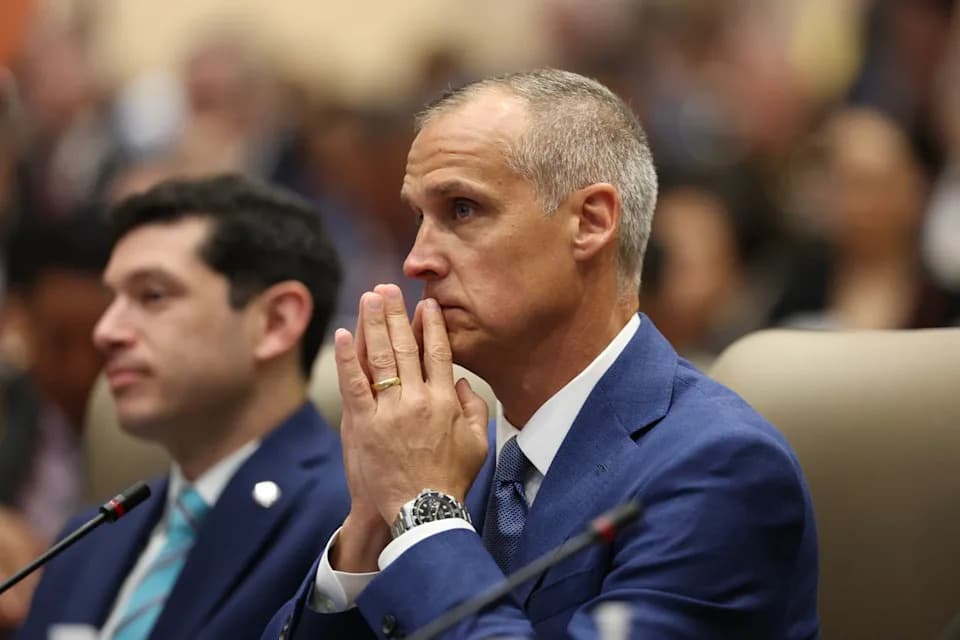
Voorhies’ DHS contract has ended. The filings and depositions also link her involvement to senior Noem-era aides: she worked closely with Corey Lewandowski and Joseph Guy, who were reportedly involved in discussions about reorganizing FEMA. The Washington Post previously reported that investigators removed documents and equipment from Voorhies’ office during an inquiry into contracts awarded during former Homeland Security Secretary Kristi Noem’s tenure.
Republican lawmakers, including Sen. Thom Tillis (R-N.C.), have publicly questioned DHS about whether leadership duties were improperly delegated to an outside contractor. The case’s plaintiffs include major labor unions and the cities of San Francisco, Baltimore and Chicago. The filings suggest Secretary Markwayne Mullin may need to review and remedy operational and oversight lapses that occurred under the prior leadership.
What’s Next
Multiple congressional probes and ethics inquiries are examining contracting decisions and Voorhies’ role. DHS and the plaintiffs’ legal teams did not immediately respond to requests for comment at the time the filings were made public.
Bottom line: Court filings and sworn testimony present concrete examples that a contractor may have exercised authority normally reserved for vetted, confirmed federal officials — raising legal, operational and privacy concerns as investigations continue.
Help us improve.