
Diplomatic negotiations to end the US–Israel–Iran confrontation remain tenuous as Tehran refuses talks while it feels threatened and demands the lifting of port blockades. A two‑week ceasefire expires Wednesday amid continued Israeli strikes in Lebanon and ongoing violence in Gaza. International calls for extended ceasefire and renewed diplomacy come as Iran reopens airports, oil prices rise after Strait of Hormuz disruptions, and regional arrests and flight resumptions signal broader impacts.
Day 53: Fragile Ceasefire Nears End as Diplomacy and Regional Violence Intensify
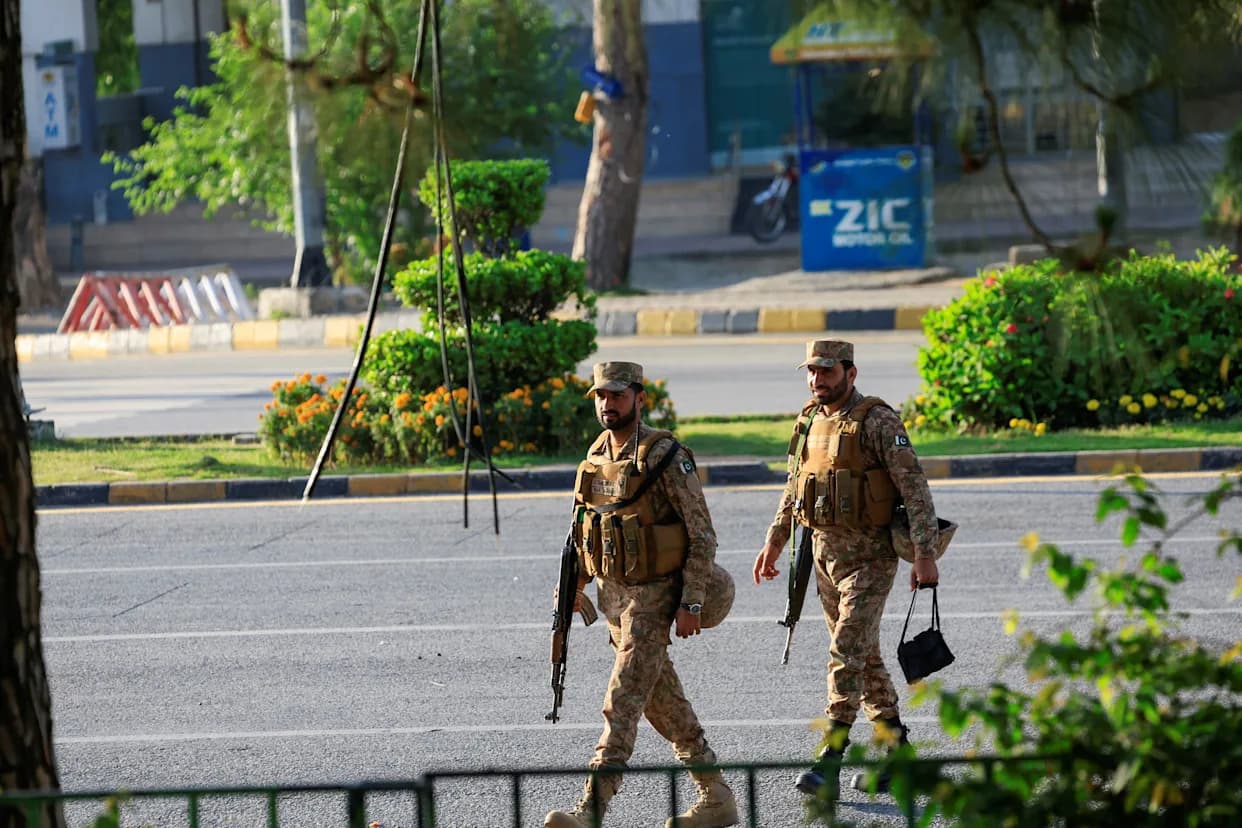
Soldiers patrol in Islamabad as Pakistan prepares to host the US and Iran for the second phase of peace talks, April 21, 2026 [Akhtar Soomro/Reuters]
Diplomatic efforts to halt the widening US–Israel–Iran confrontation remain fragile on day 53, with Tehran refusing to negotiate while it says it remains under a “shadow of threats.” A two‑week ceasefire is due to expire on Wednesday, while regional tensions and economic disruption continue to mount.
Key developments
Ceasefire and diplomatic talks: Washington has signalled follow‑up diplomacy after the fragile ceasefire, with the US Department of State scheduling new talks and a US delegation expected to travel to Pakistan “soon” for further negotiations. Iran has conditioned talks on the lifting of blockades and sanctions and has not confirmed participation.
Blockades and port sanctions: President Donald Trump said the blockade of Iranian ports will remain until Iran agrees to a deal, while Iranian officials insist any negotiations must begin with the blockade lifted. Tehran is also seeking the release of frozen assets and compensation for damage from strikes it blames on US and Israeli actions.
Military warnings: Iran’s Parliament Speaker Mohammad Bagher Ghalibaf warned Tehran is “ready to show new cards on the battlefield” if hostilities with the US resume after the ceasefire expires.
Regional fighting and casualties: Despite the ceasefire framework, Israeli strikes continued in southern Lebanon; officials report at least six people wounded in recent strikes and Lebanese authorities say more than 2,300 people have been killed since the fighting escalated six weeks ago. Violence in Gaza has also continued: officials report more than 780 Palestinians killed since Israeli operations resumed after an earlier ceasefire.
Air travel and shipping: Iran reopened Imam Khomeini and Mehrabad airports after weeks of wartime closures. Qatar announced it will resume foreign airline landings at its main airport. Global oil prices rose after Iran again closed the Strait of Hormuz and following the US Navy’s seizure of an Iranian‑flagged cargo vessel near the waterway.
International reactions: French President Emmanuel Macron criticised both the US and Iranian blockades of the Strait of Hormuz as a mistake. Russia urged an extension of the ceasefire beyond Wednesday. China — Iran’s main oil buyer — expressed concern over the seizure of an Iranian vessel and urged a return to negotiations.
Security and arrests: Authorities in the UAE said they detained suspects accused of plotting attacks and channeling funds to foreign groups allegedly linked to Iran. Meanwhile, Israel continues to press Lebanon to disarm Hezbollah — a demand Beirut says is separate from bilateral talks planned with Israel.
Political and media responses: Former US official Daniel Benaim warned the US has fallen short of its objectives in Iran and now faces a more complex military and diplomatic situation. President Trump attacked media coverage of US strikes, dismissing critical reports as "fake news" while insisting he is "winning." Amnesty International criticised Israel, alongside the US and Russia, for contributing to a global decline in human rights.
Outlook
As the ceasefire deadline approaches, diplomatic activity is increasing but remains uncertain. The next 48–72 hours will be critical: whether the ceasefire is extended, whether negotiations proceed, and whether regional actors avoid further escalation will determine if the conflict moves toward containment or renewed fighting.
Help us improve.





















