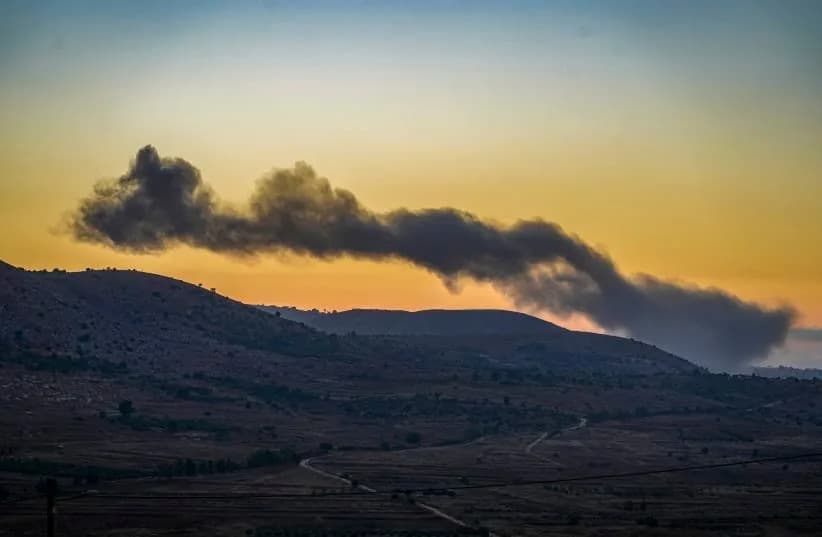
Israel has declared a 'yellow line' in southern Lebanon, mirroring a control measure used in Gaza, officials said. The military said the line was set after militants allegedly approached forces north of it, and that defensive actions are not limited by the current 10-day ceasefire. Hezbollah warned the truce will not hold unless both sides fully respect it, while diplomats discuss talks in Washington to address prisoners, returns and reconstruction.
Israel Draws 'Yellow Line' In Southern Lebanon — Gaza-Style Controls Fuel Tensions
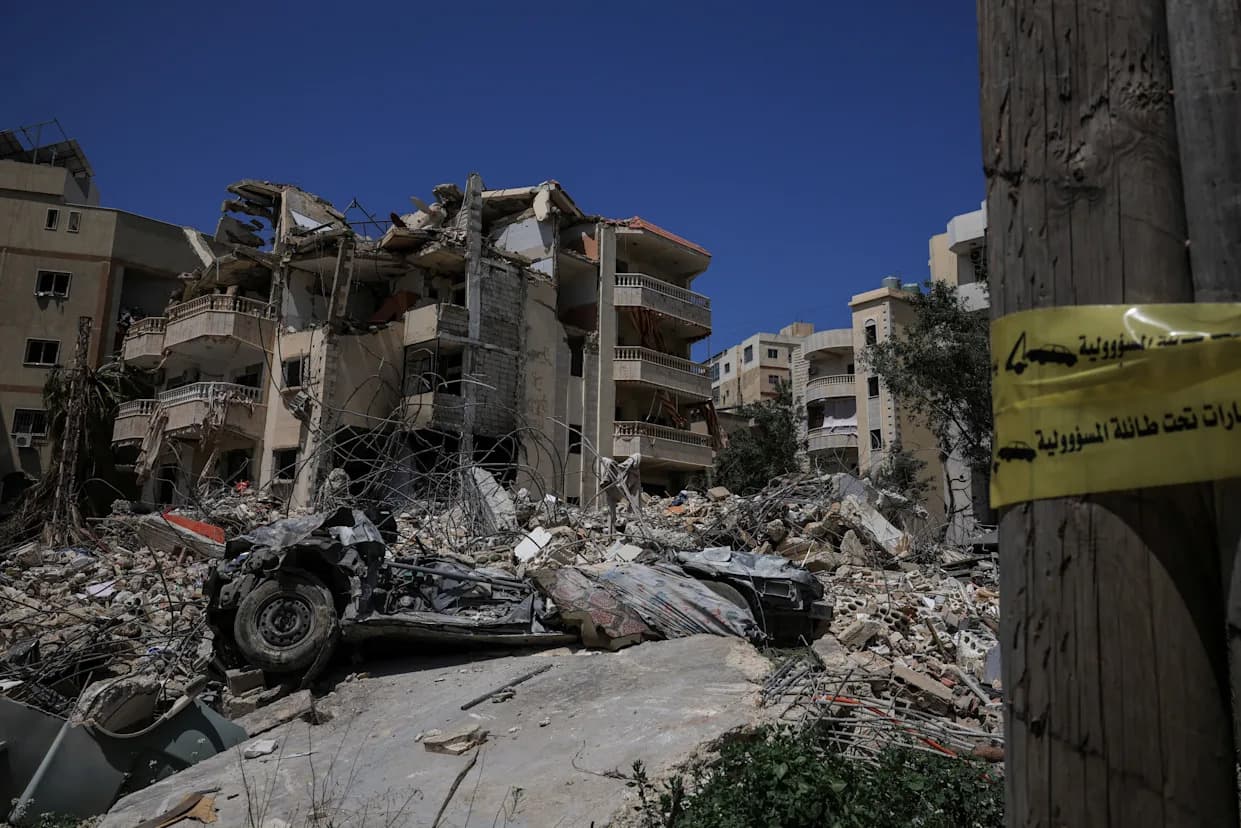
A damaged building, rubble and a destroyed vehicle in the aftermath of Israeli strikes, near Hiram Hospital in Tyre, south Lebanon [File: Louisa Gouliamaki/Reuters]
Israeli forces said on Saturday they have established a so-called "yellow line" in southern Lebanon, a measure the military has previously used inside the Gaza Strip. The announcement comes days after a 10-day ceasefire between Israel and Lebanese armed groups took effect.
In a statement, the Israeli military said that over the previous 24 hours its troops "operating south of the Yellow Line in southern Lebanon identified terrorists who violated the ceasefire understandings and approached the forces from north of the Yellow Line in a manner that posed an immediate threat." The military added that "actions taken in self-defence and to remove immediate threats are not restricted by the ceasefire."
What the 'Yellow Line' Means
Since October, Israel has used a similar "yellow line" inside Gaza to divide the territory into zones: an eastern sector under tighter Israeli military control and a western sector where movement has been less restricted. In Gaza, troops have reportedly fired on people approaching the line and demolished homes in the zone under their control. The article cited figures that at least 773 people have been killed and more than 2,000 wounded in Israeli operations since that ceasefire began.
Immediate Effects In Lebanon
Despite the new truce, Israeli artillery struck the southern Lebanese towns of Beit Leif, Qantara and Touline on Saturday, and the military has continued to raze homes in several areas, saying those strikes targeted fighters who approached positions where Israeli soldiers remain deployed.
"The resistance fighters will remain in the field with their hands on the trigger, and they will respond to violations accordingly," said Hezbollah deputy leader Naim Qassem, warning that the 10-day truce cannot continue unless both sides fully respect it. "There is no ceasefire from the side of the resistance only; it must be from both sides."
Qassem demanded a full Israeli withdrawal from Lebanese territory and said subsequent steps should prioritize the release of prisoners and the safe return of residents to border communities, followed by a large reconstruction effort backed by Arab states. He also signalled willingness for Hezbollah to cooperate with the Lebanese state "on a new page" if national sovereignty and internal stability are protected.
Regional and Political Context
Al Jazeera correspondent Nour Odeh, reporting from Ramallah in the occupied West Bank, described the declaration of a yellow line in Lebanon as part of a broader "Gazafication" trend — applying Gaza-style security and territorial controls across other border areas. Odeh quoted Israeli Defence Minister Israel Katz as having instructed forces to demolish border villages using models similar to those employed in Beit Hanoun and Rafah in Gaza.
The United Nations has recorded more than 10,000 alleged Israeli violations of a previous ceasefire that was nominally in place since November 27, 2024, and blamed hundreds of Lebanese deaths on the escalation. Israel has repeatedly told Beirut that any durable truce will require Hezbollah’s disarmament; Hezbollah insists Israeli forces must withdraw from southern Lebanon first under terms of the 2024 ceasefire understanding.
Lebanon’s government has taken steps against Hezbollah’s armed presence—outlawing its military wing at the outset of the latest hostilities and signalling progress toward disarmament south of the Litani River—yet it remains uneasy about both Hezbollah’s influence at home and Israel’s actions at the border. President Michel Aoun has at times declined direct talks with Israeli Prime Minister Benjamin Netanyahu.
On Thursday, when announcing the 10-day truce, US President Donald Trump said Mr Netanyahu and President Aoun might meet in Washington in the coming week or two to negotiate measures to stabilise the frontier, address prisoner releases, and plan reconstruction.
The announcement of a yellow line in southern Lebanon intensifies questions about how ceasefires will be enforced, how civilian areas will be protected, and whether Gaza-style territorial controls will be replicated elsewhere along Israel’s borders.
Help us improve.