Sri Lanka has repatriated 238 Iranian sailors, including 32 survivors of the March 4 sinking of the IRIS Dena by a U.S. submarine. The Sri Lankan Navy recovered 87 bodies and treated 32 survivors; a second Iranian vessel with technical problems is anchored at Trincomalee with a few crew remaining aboard. Officials and a retired diplomat said Sri Lanka acted on legality and humanitarian grounds while carefully balancing ties with both the U.S. and Iran during its economic recovery.
Sri Lanka Repatriates 238 Iranian Sailors After U.S. Submarine Sinks IRIS Dena
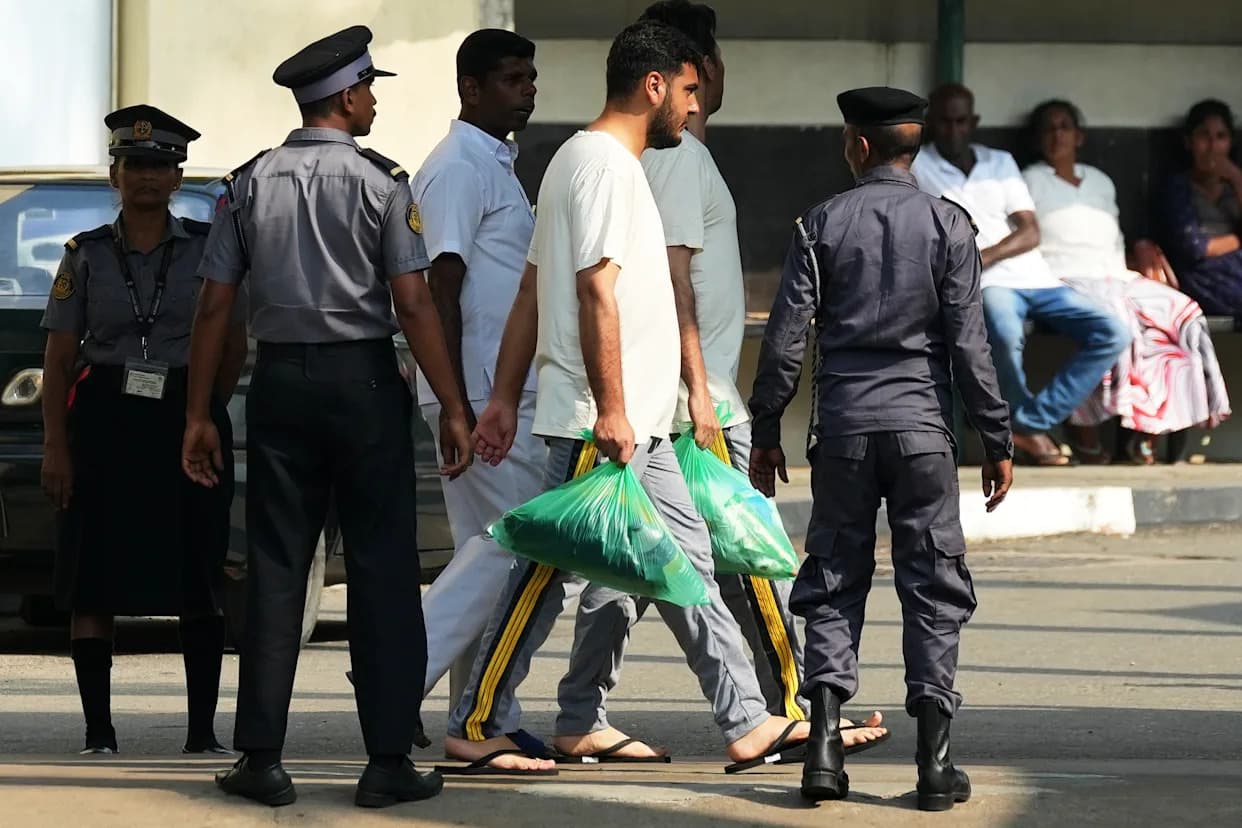
FILE -Two Iranian sailors, center, who were rescued from IRIS Dena warship by Sri Lanka's navy are escorted to a Judicial Medical Officer from the National Hospital, in Galle, Sri Lanka, March 5, 2026. (AP Photo/Eranga Jayawardena, File)(ASSOCIATED PRESS)
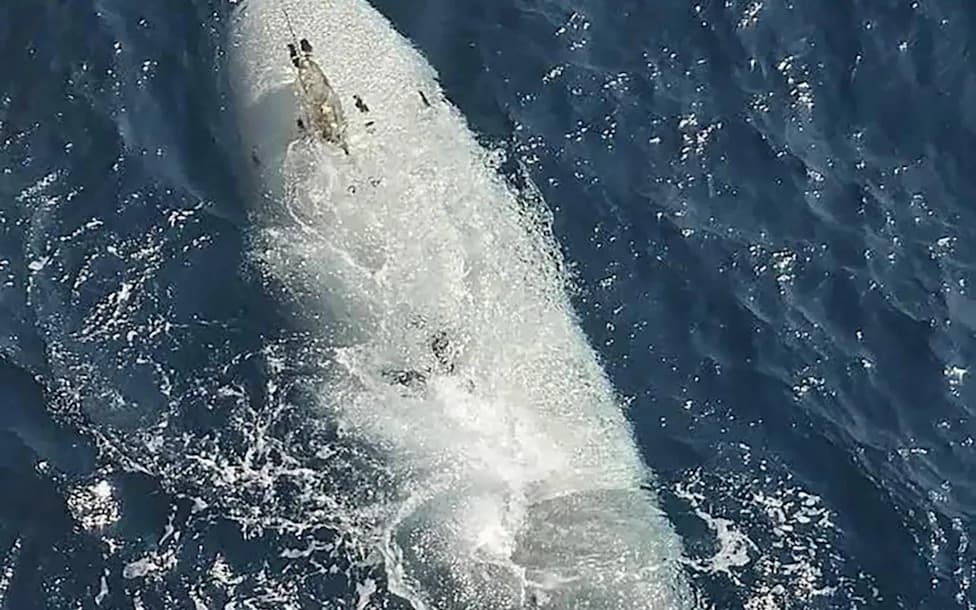
Sri Lanka has repatriated 238 Iranian sailors, including 32 survivors of a U.S. submarine torpedo strike that sank the Iranian vessel IRIS Dena in the Indian Ocean on March 4, officials said Friday.
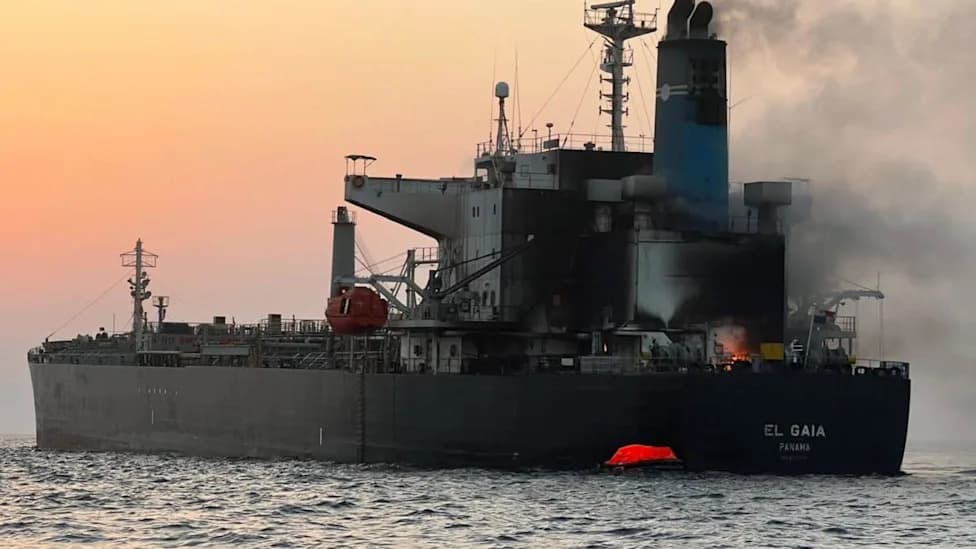
The Sri Lankan Navy recovered 87 bodies from the incident and hospitalized 32 survivors. A second Iranian ship that reported technical problems was escorted into a southern Sri Lankan port; most of its crew have since been repatriated, officials said.
Defense Ministry spokesman Brig. Franklin Joseph confirmed that, apart from a small number of crew still aboard the second vessel, the sailors were returned home earlier in the week. The second ship remains anchored at the eastern port of Trincomalee, and Sri Lankan authorities have not yet announced a final decision on how to proceed.
"I think Sri Lanka has proven its policy posture not only in words but also in deeds," said retired diplomat H.M.G.S. Palihakkara, a former foreign secretary and Sri Lanka's former U.N. permanent representative.
Palihakkara said the government deliberately avoided being seen as taking sides, emphasizing that its actions were guided by principles of legality, humanity and international law. He added that the stance has improved the government's credibility among parties involved in the incident.
The situation tested Sri Lanka's diplomatic balancing act. President Anura Kumara Dissanayake reportedly declined two requests on the same day—one from the U.S. to permit military aircraft to land and another from Iran to bring warships ashore—while the country continues to recover from an economic crisis. Both the U.S. and Iran remain significant trade partners, and the U.S. has been involved in assisting an International Monetary Fund bailout and supporting agricultural stabilization efforts.
Background: The repatriation and handling of the vessels underscore Sri Lanka's effort to respond on humanitarian and legal grounds while managing complex international pressures amid its ongoing economic recovery.
Help us improve.