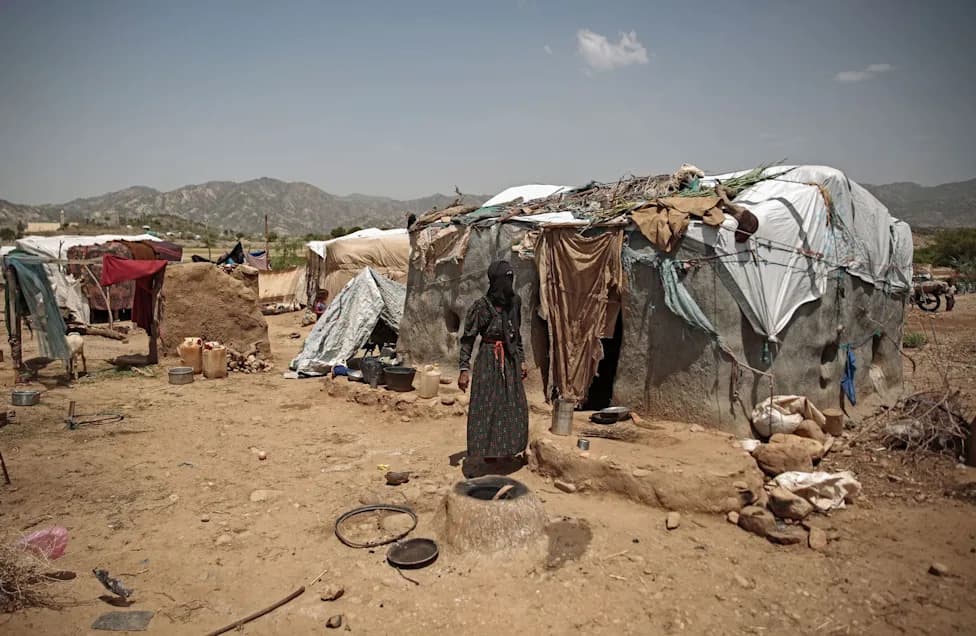
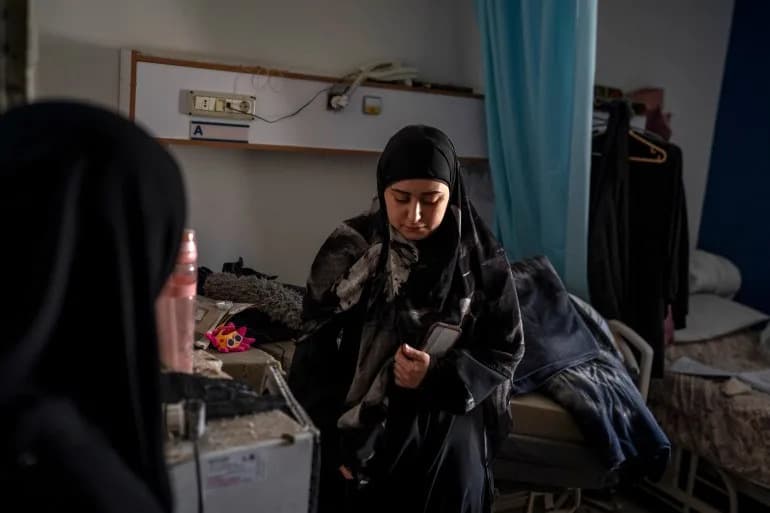
Displaced by the Israel–Hezbollah conflict, thousands of women in Lebanon are giving birth and caring for newborns in overcrowded shelters. UNFPA warns that roughly 13,500 pregnant women are among the displaced, with about 1,500 expected to deliver in the next month. Mobile clinics and charities provide ultrasounds, baby kits and obstetric care, but many mothers lack privacy, medication and reliable follow-up, increasing risks for both maternal and infant health.
Lebanon's Mothers: Caring For Newborns And Facing Pregnancy Amid War
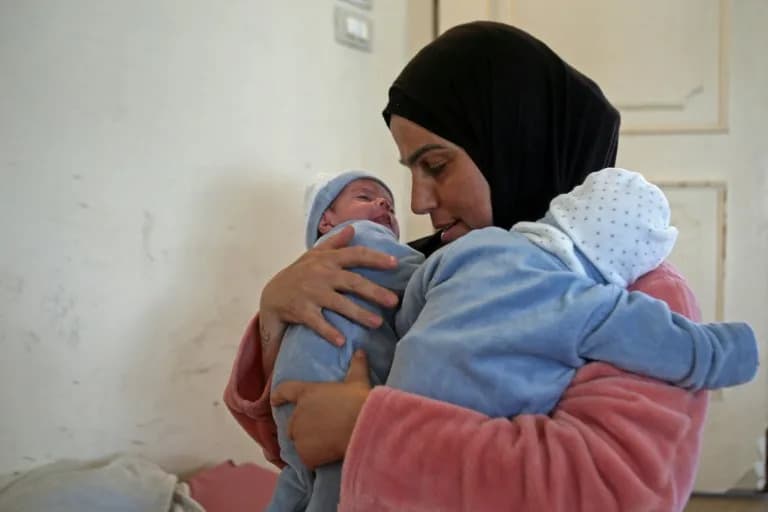
Ghada Fadel with her twin sons Mohammed and Mehdi at a shelter in Sidon (MAHMOUD ZAYYAT)(MAHMOUD ZAYYAT/AFP/AFP)
Mariam Zein cradles her 11-week-old son on a thin mattress on the floor of a crowded shelter near Beirut, where she and her relatives have been staying since the Israel–Hezbollah fighting forced them from their home. "I was really excited when I was in my ninth month of pregnancy... I never thought he'd be born and there'd be war," the 26-year-old said, holding baby Hussein close.
Zein fled with her husband, their newborn and other family members after fighting erupted on March 2. She does not know whether her home in south Lebanon still stands. Across the country, Israeli strikes have continued despite fragile, externally mediated efforts at a ceasefire and diplomatic contacts between officials.
Human Cost and Displacement
Lebanese authorities say the conflict has killed more than 2,100 people and displaced over one million residents. Some 140,000 people are living in overcrowded shelters; the centre in Beirut's suburbs where Zein is staying houses about 500 people. Shelters in cities such as Sidon and converted schools now accommodate thousands more.
Pregnancy and Newborn Care Under Strain
Women and girls have been hit hard by the upheaval. The United Nations Population Fund (UNFPA) estimates roughly 620,000 displaced women and girls in Lebanon, including about 13,500 who are pregnant. Of those, around 1,500 are expected to give birth within the next 30 days, heightening pressure on limited maternal health services.
Many mothers report a loss of privacy, basic supplies and reliable medical follow-up. Zein said she stopped breastfeeding because she had no private space and now struggles to afford formula as her baby grows out of donated clothes. Others, like Ghada Issa, 36, described cramped tents, distant communal toilets and exhausted mental reserves as they prepare to give birth.
Mobile Clinics and Humanitarian Support
Humanitarian organisations and local charities have mobilised to fill gaps. In a small tent fitted with a portable ultrasound, obstetrician and gynaecologist Theresia Nassar has been checking on pregnant women as part of a mobile clinic run by Caritas Lebanon with UNFPA support. Volunteers and groups such as Amel Association International distribute "baby kits" containing nappies, powder and other essentials.
"We're not just worried about physical health but also their mental health," Nassar said. "They don't know if they can go home, they don't have their medication, they're not being properly followed."
Personal Losses and Hopes
In Sidon, Ghada Fadel cares for twin sons, Mohammed and Mehdi, who are just over one month old. Fadel fled when she was eight months pregnant; her family says their home was later destroyed. "I was hoping to give birth and come home," she said. "Every mum hopes to take her kids home... no matter the circumstances."
While charities and UN agencies continue to provide urgent care and supplies, displaced mothers face ongoing shortages of medication, scans and safe, private spaces to breastfeed and recover—compounding physical and emotional hardship as the conflict continues.
Help us improve.