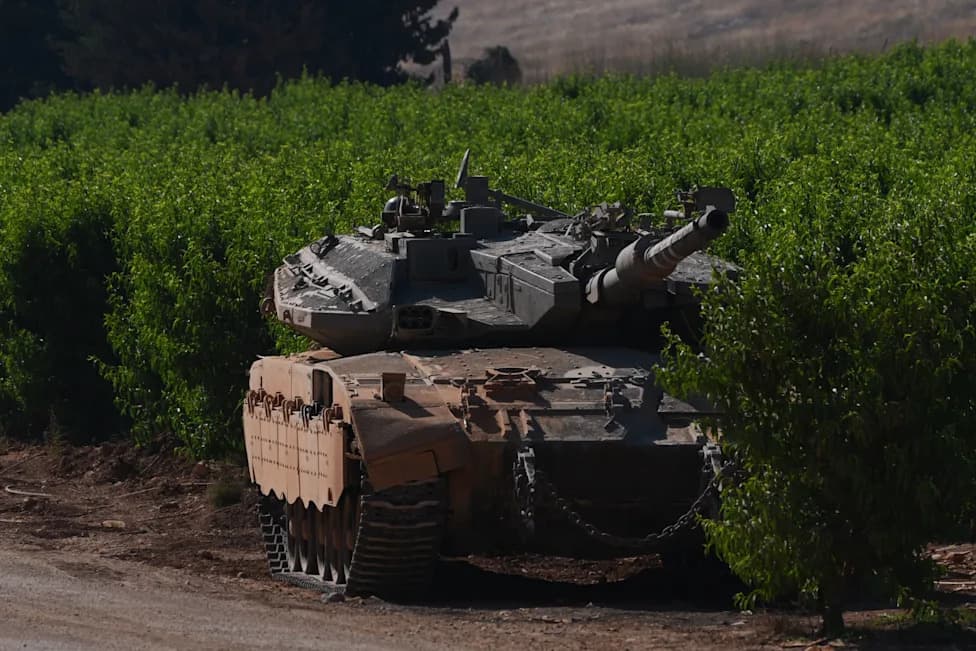
The IDF says an April 8 air campaign struck Hezbollah command, intelligence and planning centers across Lebanon, with roughly 50 aircraft targeting more than 100 sites. Israeli officials claim about 250 operatives were eliminated in near-simultaneous strikes concentrated on command and control nodes rather than weapons depots. The operation was compared to the September 2024 "beeper" attack; UN officials and Lebanese leaders condemned the scale of destruction. Diplomacy and continued cross-border fire underscored how fragile the situation remains.
Israel Says April 8 Air Campaign Struck Hezbollah Command Network — IDF Calls It More Devastating Than 2024 "Beeper" Operation
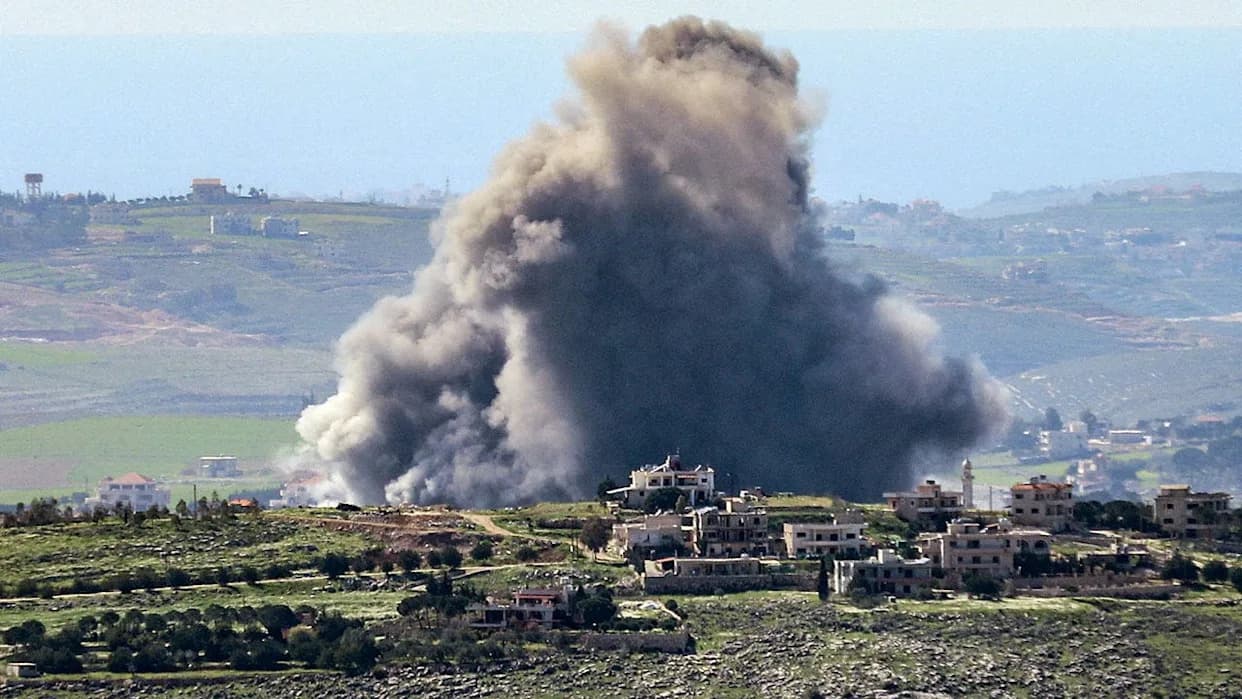
Israeli strike on Hezbollah more devastating than 2024 pager attack, IDF says
Israeli officials say a coordinated air campaign on April 8 struck Hezbollah command and intelligence hubs across Lebanon, damaging what the Israel Defense Forces (IDF) described as one of the most significant blows to the group since the current escalation began.
According to Israeli statements, nearly 50 aircraft conducted strikes on more than 100 sites in Beirut, the Beqaa Valley and southern Lebanon. The IDF said the strikes targeted command rooms, intelligence centers and planning offices rather than launchers or weapons depots.
Operational Claims and Intelligence
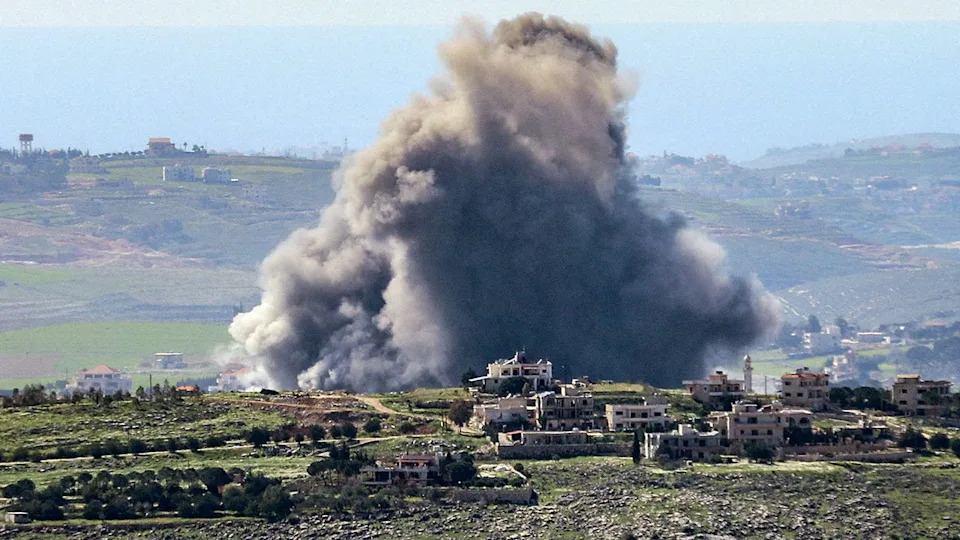
Smoke rises after Israeli strikes in Lebanon after an escalation between Hezbollah and Israel during the U.S.-Israeli conflict with Iran, as seen from Marjayoun, Lebanon, March 5, 2026.(Reuters Photos)
In a military statement the IDF said, "Within only a minute, the IDF eliminated 250 Hezbollah terrorists in three areas simultaneously," while noting its assessment was ongoing. Lt. Col. Nadav Shoshani, an IDF spokesman, told media the operation followed weeks of intelligence work that tracked operatives moving among apartments, offices and safe houses across Lebanon.
"The timing had to do with the preparations. There was weeks of intelligence," Shoshani said, adding the strikes were intended to disrupt Hezbollah's command and control.
Comparisons and Wider Context
Israeli officials compared the operation to a widely reported September 2024 attack — frequently described as the "beeper" operation — in which thousands of pagers and walkie-talkies used by Hezbollah allegedly detonated nearly simultaneously across Lebanon and Syria. Lebanese authorities reported that operation killed more than 40 people and wounded thousands, while Hezbollah later said roughly 1,500 fighters had been taken out of action.
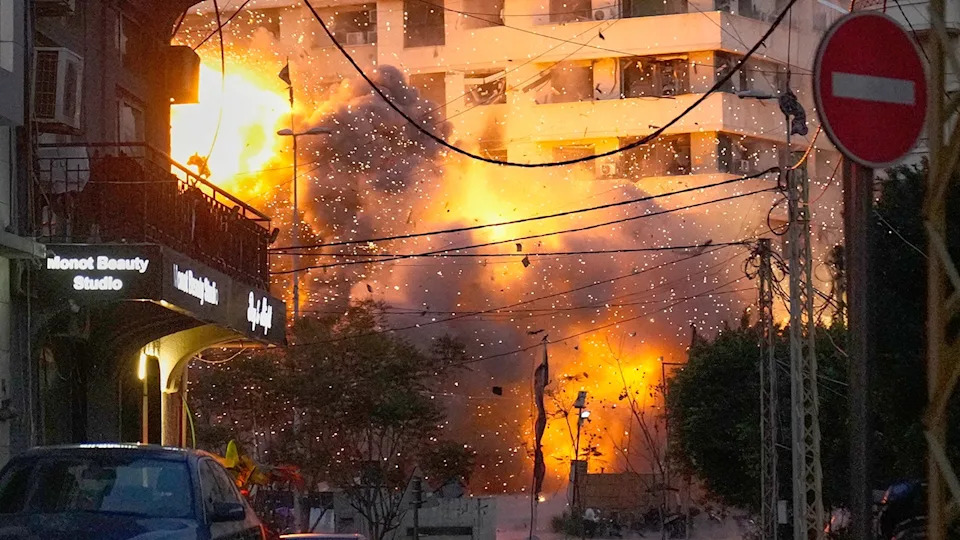
An explosion erupts from a building after an Israeli strike in central Beirut, Lebanon, March 18, 2026.
Israeli spokesmen said the earlier beeper strikes inflicted more immediate injuries by design, but that both operations aimed to sow disarray, fracture chains of command and degrade Hezbollah's ability to plan and coordinate attacks.
Reactions and Civilian Impact
United Nations Human Rights Chief Volker Türk described the strikes as "nothing short of horrific," saying the scale of killing and destruction was deeply troubling. Lebanese officials also condemned the attacks. Hezbollah vowed to continue responding "until the Israeli-American aggression against our country and our people ceases," according to a statement attributed to the group.
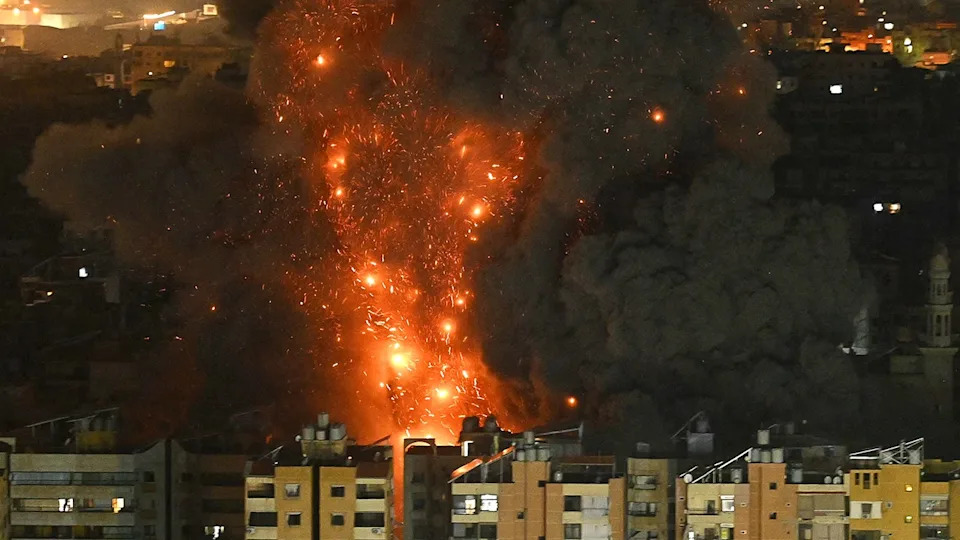
The Israeli military said most of the targets were embedded inside civilian areas.
The IDF said many targets were located in densely populated areas and that it issued warnings for civilians to evacuate ahead of strikes; Israeli officials accused Hezbollah of relocating operatives into civilian areas after such warnings. Independent verification of casualty figures and the presence of combatants at specific sites is limited amid the fog of conflict.
Strategic Significance
A former Israeli intelligence official, speaking on background, suggested the April 8 strikes appeared to hit a broad layer of Hezbollah's middle ranks, including members of the Radwan Force, elements of the intelligence arm, missile units and an aerial unit identified by Israeli sources as Unit 127. But the source cautioned that the true measure of success will be whether the operation meaningfully degrades Hezbollah's operational capabilities and alters the course of the broader conflict.
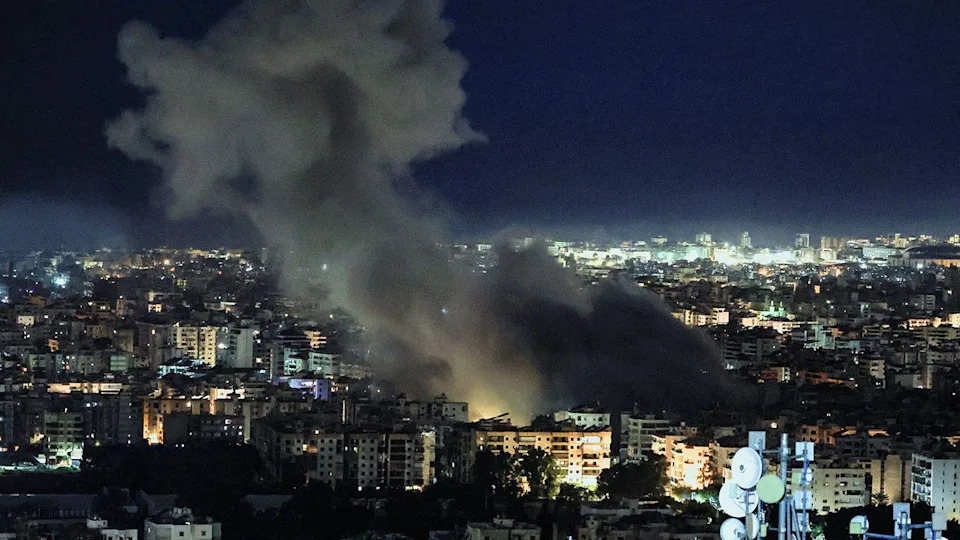
Smoke billows after strikes on Beirut's southern suburbs, following an escalation between Hezbollah and Israel during the U.S.-Israeli conflict with Iran, as seen from Baabda, Lebanon, March 5, 2026.
Despite the reported losses, Israeli officials warned Hezbollah remains a serious threat, noting the group's previously reported arsenal of rockets and missiles and its continued ability to strike into northern Israel.
Diplomatic Backdrop
The strikes occurred as Israel and Lebanon held their first direct talks in decades at the U.S. State Department in Washington, a diplomatic opening that Israeli and Lebanese officials said could address long-term issues including normalization and Hezbollah's role. Within hours of the diplomatic meeting, exchanges of strikes and rocket fire indicated how fragile the situation remained.
Reports drew on statements from the IDF, Lebanese authorities, United Nations officials and media accounts. Independent verification of some claims remains limited; Reuters contributed to reporting referenced by some outlets.
Help us improve.