CRBC News
Conflict

White House Denies It Sought Ceasefire; Says Talks With Iran May Resume In Pakistan

White House Denies It Sought Ceasefire; Says Talks With Iran May Resume In Pakistan
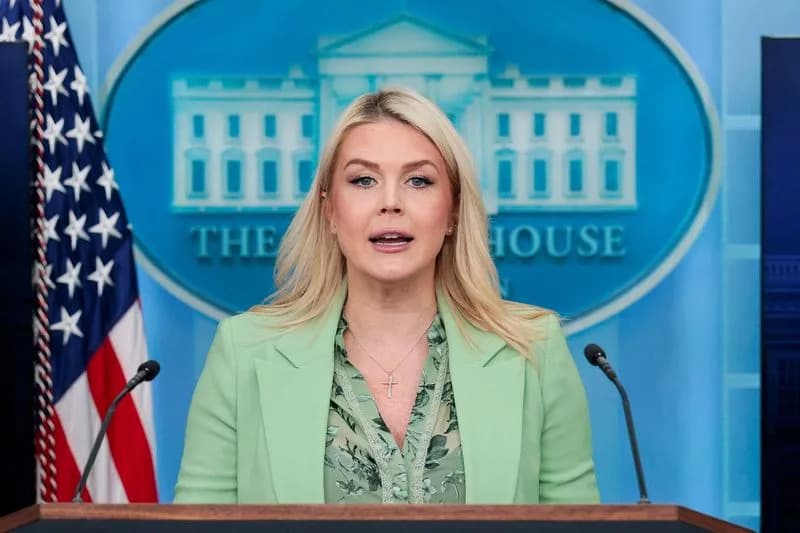
White House Press Secretary Karoline Leavitt speaks during a press briefing in the James S. Brady Press Briefing Room at the White House in Washington, D.C., U.S., April 15, 2026. REUTERS/Evan Vucci

White House press secretary Karoline Leavitt denied that the U.S. formally requested a ceasefire with Iran, but said preparations for a second round of talks with Tehran are "productive and ongoing."

Any new in-person negotiations would likely be held in Pakistan, which officials view as the primary mediator. Last weekend's talks failed to produce a deal to end the fighting that began on February 28.

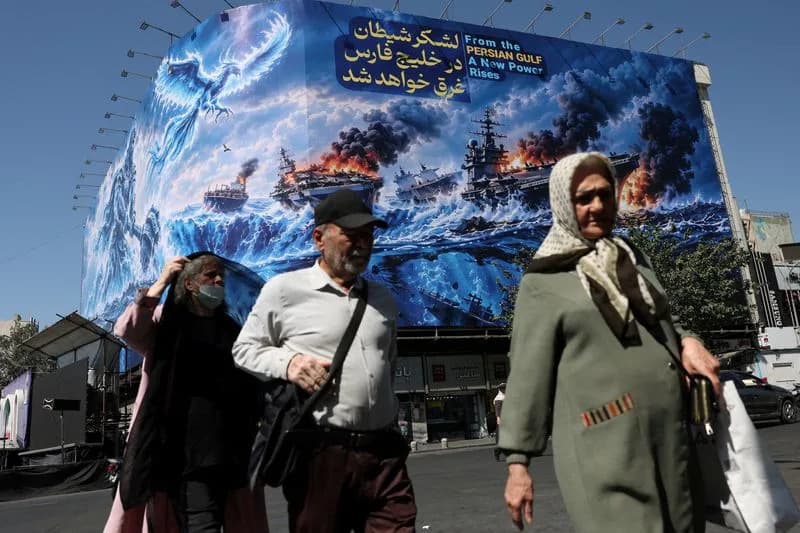
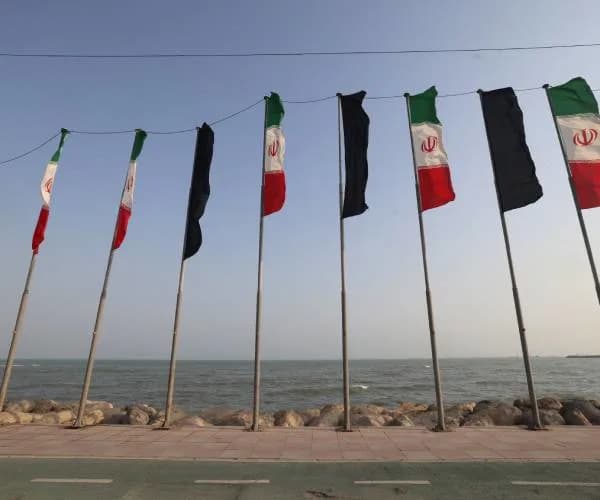
The conflict has led Iran to limit passage through the Strait of Hormuz to its own ships, cutting Gulf oil and gas exports to Asia and Europe and disrupting global energy flows.
WASHINGTON, April 15 — The White House denied reports that it formally requested a ceasefire in the conflict with Iran, while confirming that preparatory discussions for a second round of talks with Iranian representatives are ongoing and "productive," press secretary Karoline Leavitt said Wednesday.

Leavitt told reporters any new in-person meetings would likely take place in Pakistan, which U.S. officials regard as the principal mediator in efforts to halt the escalation between the United States, Israel and Iran.

"These conversations are productive and ongoing, and that's where we are right now. I've also seen some reporting about the potentiality for in-person discussions. Again, those discussions are being had, but nothing is official until you hear it from us here at the White House, but we feel good about the prospects of a deal," Leavitt said.

Leavitt said talks held last weekend ended without an agreement to stop the fighting. President Donald Trump ordered military action alongside Israel on February 28, triggering retaliatory strikes by Iran on Gulf neighbors and renewed clashes between Israel and Iran-backed Hezbollah in Lebanon.

The wider confrontation has prompted Iran to effectively restrict passage through the Strait of Hormuz to its own vessels, a move that has sharply reduced crude oil and gas exports from the Gulf — particularly to Asia and Europe — and forced importers to seek alternative supplies.

(Reporting by Steve Holland and Humeyra Pamuk; Editing by David Ljunggren and Caitlin Webber)

Help us improve.

Related Articles

Trending





















