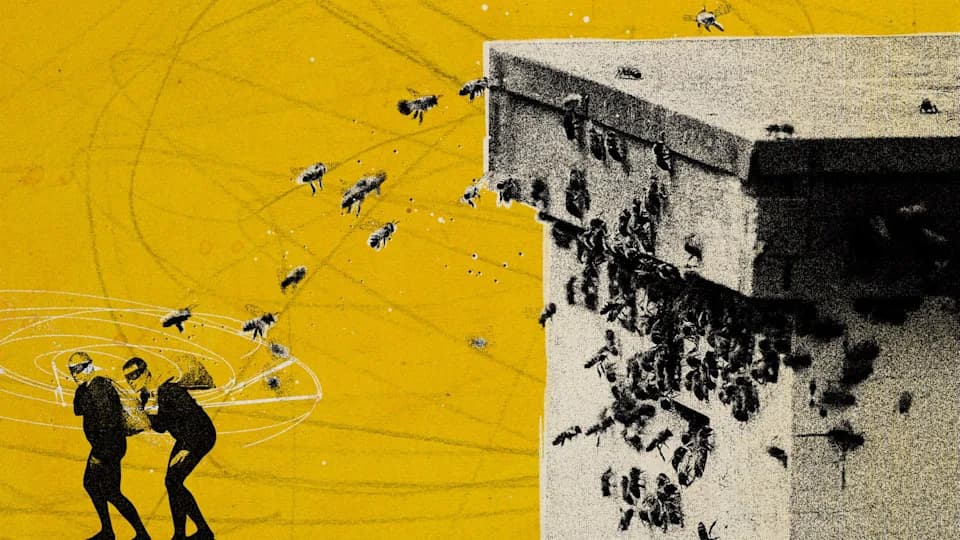
The USDA has announced plans to close the Beltsville Agricultural Research Center in Maryland — home to the Beltsville Bee Lab, a century-old facility on nearly 6,500 acres. Scientists at Beltsville helped identify the cause of the major pollinator die-offs in 2024–2025, prompting alarm from researchers, beekeepers and farmers. The Maryland Farm Bureau and some members of Congress have publicly opposed the move, arguing the center should be strengthened rather than dismantled. Critics warn that closing the lab could weaken the nation’s ability to protect pollinators and safeguard food supplies.
USDA Plans To Close Beltsville 'Bee Lab' Despite Role in 2024–25 Pollinator Die-Offs
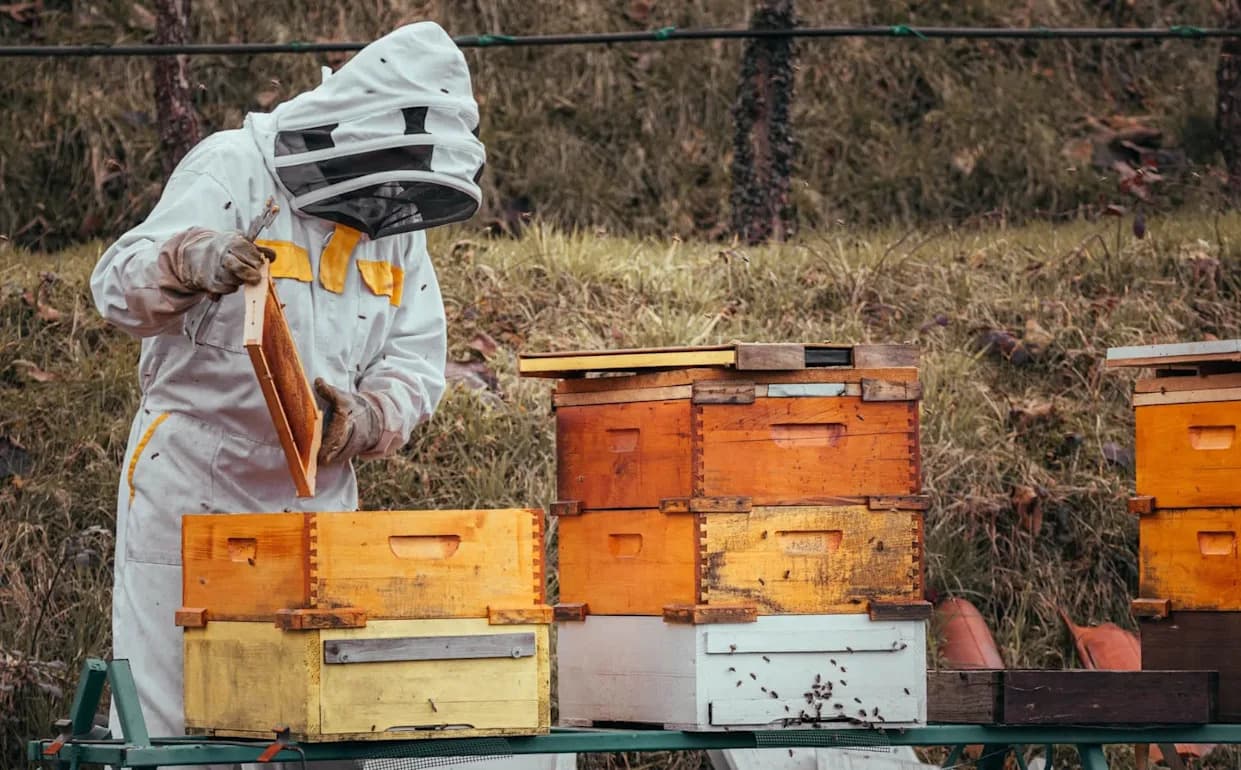
Photo Credit: iStock
The U.S. Department of Agriculture has announced plans to close the Beltsville Agricultural Research Center in Maryland, which includes the Beltsville Bee Lab — a century-old research facility situated on nearly 6,500 acres. USDA officials say the move will streamline the agency, but they have not provided a timeline for when the site will actually shut down.
Why Beltsville Matters
The Beltsville Bee Lab has been a national hub for pollinator research. Scientists at the facility helped identify the cause of the severe pollinator die-offs recorded in 2024 and 2025, work that many say is critical to protecting the nation’s food supply. Beyond bees, researchers at Beltsville have advanced agricultural science for decades — from developing the modern domestic turkey to helping link trans fats with cholesterol and other health risks.
USDA Rationale
A USDA spokesperson told Harvest Public Media that the agency’s decision "right-sizes the USDA footprint, eliminates unnecessary management layers … and most importantly, allows USDA to deliver on its mission to the American people." The agency has not released a timeline or detailed plan for relocating staff, assets, or ongoing research projects.
Reaction And Concerns
The announcement has drawn sharp criticism. Health scientist Dr. Eric Feigl-Ding described the closure as "worrying beekeepers, scientists and farmers." Longtime honeybee researcher Jeff Pettis — who spent two decades at Beltsville and led the bee lab for nine years — called the site "basically the crown jewel of all the agricultural research of USDA." Advocates warn that losing institutional expertise and infrastructure could weaken responses to pesticides, pathogens, and other threats to pollinators.
"On behalf of Maryland's 7,000 farm families … We believe there remains far greater opportunity in strengthening what already exists at BARC rather than dismantling it," wrote James K. Raley Jr., president of the Maryland Farm Bureau, in an open letter to USDA Secretary Brooke Rollins.
Legal And Policy Questions
Members of Congress and other stakeholders have suggested the center’s closure may raise legal questions, arguing that dismantling certain federal research assets could require formal Congressional approval. Critics also say the decision raises broader concerns about how the federal government will preserve scientific capacity to monitor and defend pollinators and other agricultural resources.
What’s At Stake
Supporters of the Beltsville programs argue that the laboratory’s expertise is essential for early detection and response to threats against pollinators — threats that have direct implications for crop yields, ecosystem health, and rural livelihoods. With little public detail on next steps, scientists, farmers and advocacy groups are calling for clearer plans to protect ongoing research and preserve institutional knowledge.
What to watch next: whether USDA provides a detailed transition plan, how Congress responds, and whether research capacity for pollinator protection will be relocated, preserved, or diminished.
Help us improve.